Food-grade IBC totes with a history you can check
Price food-grade ibc totes
Quantity, liquid and zip code is enough to get a real number back. We confirm grade and stock before we quote — no auto-replies.
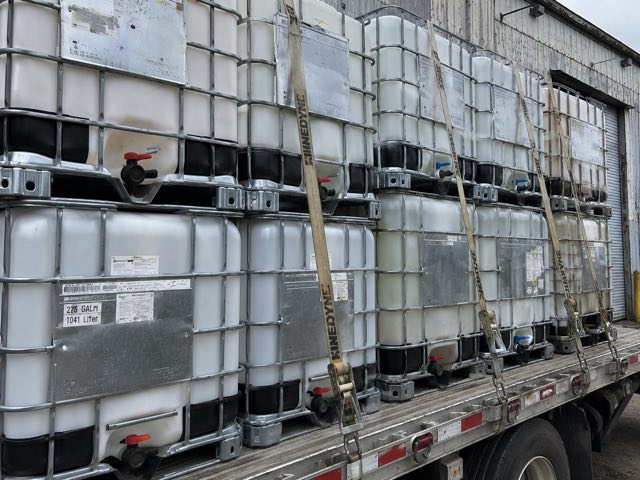
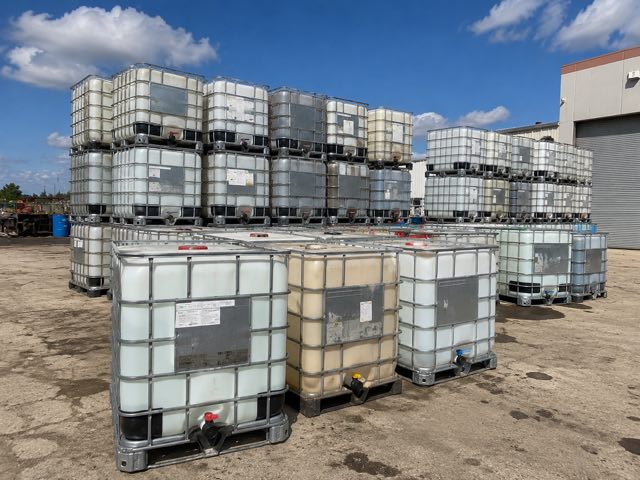
A food-grade used IBC tote is one that held a single traceable food-contact product and was cleaned on a dedicated food line. The HDPE bottle is FDA 21 CFR 177.1520 compliant from the day it was moulded; what makes a used unit food-grade is the documented history and the wash, not the resin. Every unit we sell as food-grade ships with a prior-contents record and a wash certificate.
The numbers on the plate
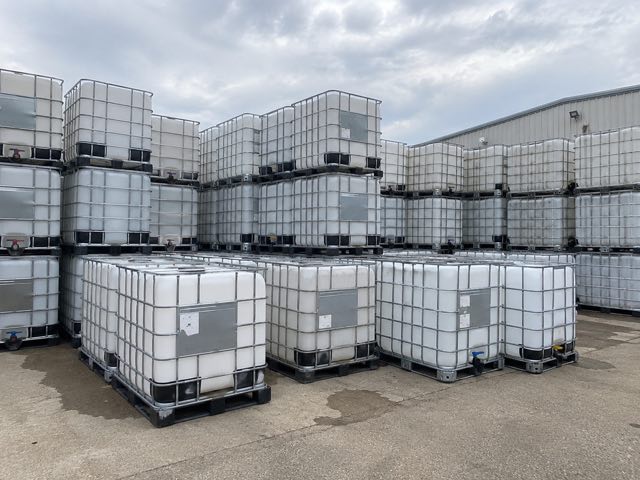
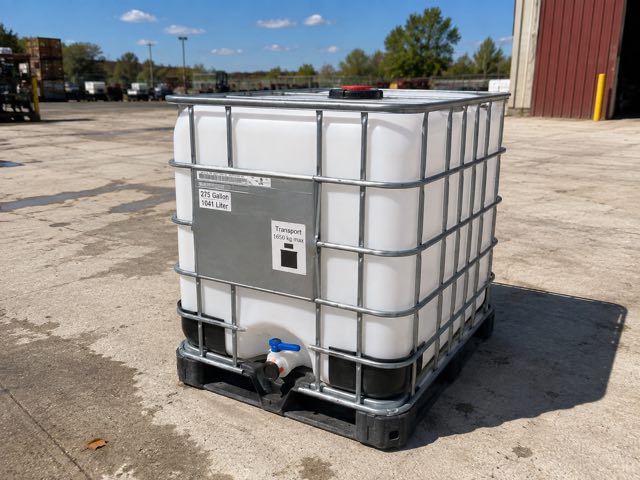
Everything below is what you actually receive. Where a figure varies by manufacturer we quote the range rather than the flattering end of it, and we confirm the exact unit before it ships.
- Capacities275 and 330 gal
- ResinFDA 21 CFR 177.1520 HDPE
- Prior contentsSingle food-contact product, named shipper
- Wash lineDedicated bays, hoses and staff rotation
- Final rinsePotable water
- GasketNew EPDM, food-contact grade
- ValveNew or verified 2 in butterfly
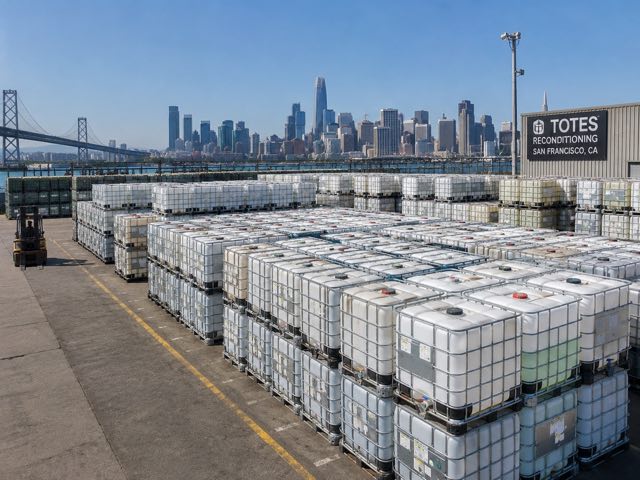
- StorageCovered, off-ground, UV-protected
- DocumentsPrior-contents record + wash certificate
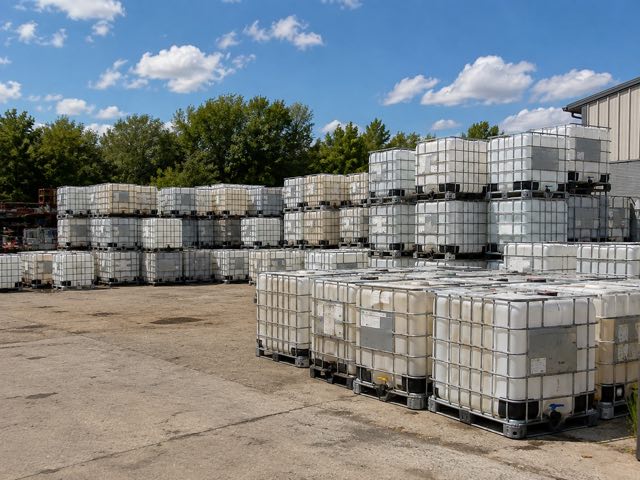
- Stock on hand100–200 units
What we actually see arriving
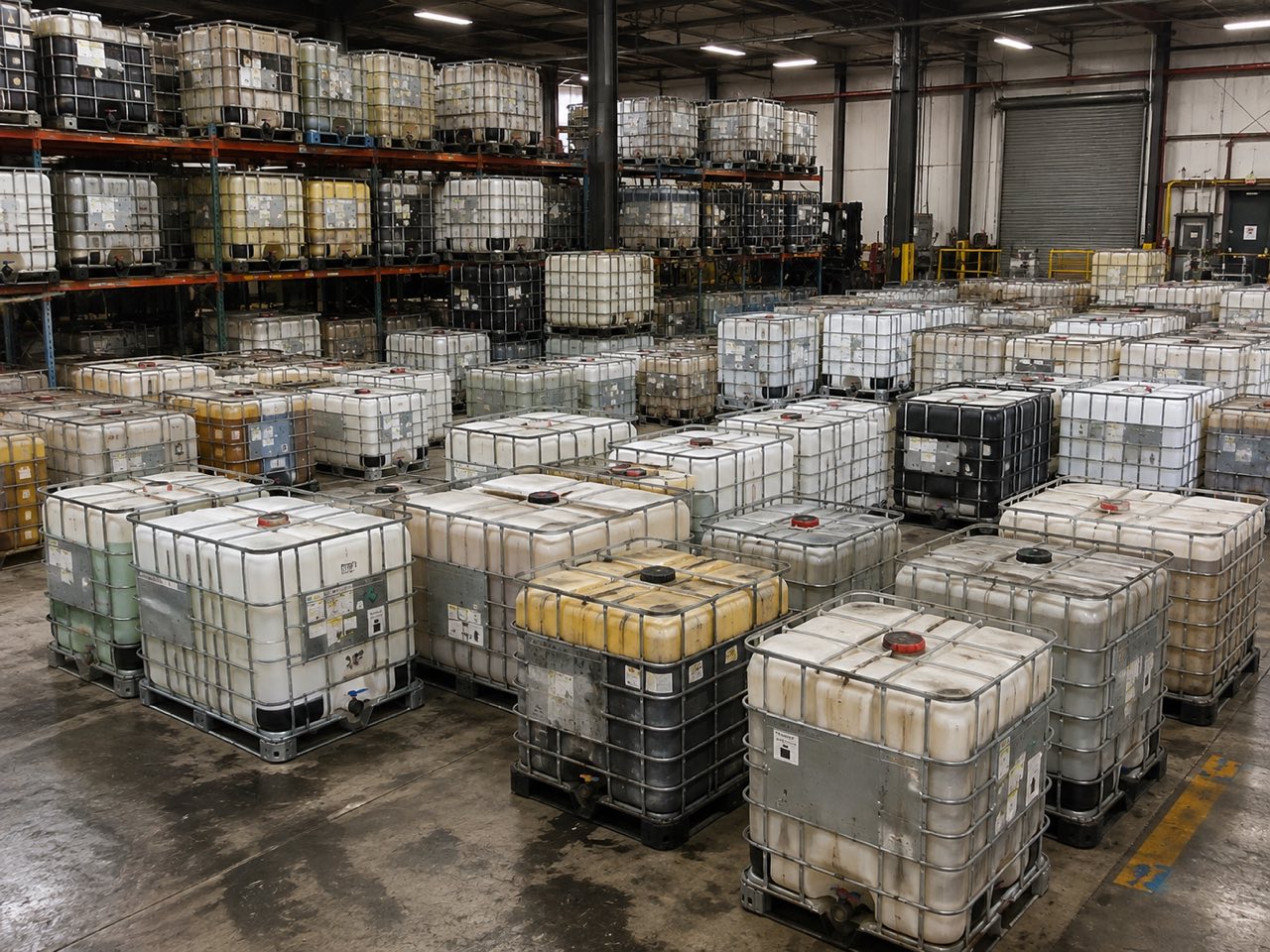
These are the prior contents behind most of our food-grade stock, and what each one implies for the wash.
| Prior product | Typical source | Wash difficulty | Residual risk | Common resale use |
|---|---|---|---|---|
| Cane and corn syrup | Bay Area bakeries, breweries | Easy — hot water dissolves it | Very low | Brewing, kombucha, sauces |
| Fruit juice concentrate | Central Valley packers | Easy, but staining is common | Low — colour only | Cider, juice, vinegar |
| Olive & vegetable oil | Importers, olive mills | Moderate — needs caustic and heat | Low if fully saponified | Oils, soap making, biodiesel feedstock |
| Food-grade glycerine | Cosmetics and food blenders | Easy | Very low | Cosmetics, humectants, cleaning |
| Vinegar & brine | Picklers, fermenters | Easy | Low — check gasket condition | Fermentation, brining, sauces |
| Liquid egg & dairy | Regional processors | Difficult — protein bake-on | Moderate — we usually decline | Rarely resold as food-grade |
Where they end up
Breweries, cideries and kombucha
Wort transfer, cold liquor, cleaning-solution storage and finished-product holding. Our single biggest food-grade customer segment across San Francisco, Oakland and Petaluma.
Wineries and juice packers
Harvest surge capacity, juice holding, must transfer. Seasonal leasing is usually cheaper than buying — see our leasing programme.
Sauce, syrup and condiment makers
Bulk ingredient intake and intermediate storage. Ask for units with a matching prior product to make your own HACCP documentation simpler.
Potable and emergency water
Food-grade units with a UV-opaque cover are the standard choice for emergency water stores. Sanitise before first potable fill regardless of grade.
What we do to it first
History first, wash second
We will not put a container on the food line without a named prior product and, wherever possible, a named shipper. No history, no food grade — it goes to the industrial stream.
Physically separate line
Two bays with their own hoses, gaskets, detergent circuit and staff rotation. An industrial container cannot enter the food line; it is a different lane with a different key.
Hot caustic, triple rinse, potable finish
Caustic at 160°F to saponify fats, three rinse stages, then a potable-water final flush. Dried under cover, never in open sun.
Certificate and covered storage
Each unit gets a wash certificate tied to its unit number and is stored covered and off-ground until it ships.
Things that catch people out
Sanitise before potable use
Keep the light out
What it will and will not hold
For food-grade the interesting question is rarely the resin — it is the previous product and the wash line. What follows is what we will and will not put into the food-grade stream in the first place.
| Contents | Verdict | Gasket | What decides it |
|---|---|---|---|
| Cane and corn syrup | Accepted | EPDM (standard) | Dissolves in hot water; the cleanest prior product we handle |
| Fruit juice concentrate | Accepted | EPDM (standard) | Staining is common and cosmetic only |
| Olive and vegetable oil | Accepted after caustic | Nitrile | Saponifies fully at 160 °F with dwell |
| Food-grade glycerine | Accepted | EPDM (standard) | Water-miscible, no residue |
| Vinegar and brine | Accepted | EPDM (standard) | Check the gasket — acetic acid does degrade it over time |
| Liquid egg and dairy | Usually declined | — | Protein bake-on is not something we will certify |
| Essential oils and flavourings | Declined | — | Aromatics penetrate HDPE and persist through any wash |
| Unidentified prior product | Declined | — | No history, no food grade. Not negotiable |
Exactly what you receive
- A container whose single prior product was food-contact and is named in writing
- A wash performed on the dedicated food line, with its own bays, hoses and gasket stock
- A potable-water final rinse
- A new food-contact grade EPDM gasket
- A new or verified 2 in butterfly valve and a new 6 in lid
- The prior-contents record, naming the shipper where we have it
- The wash certificate, tied to the unit number and dated
- Covered, off-ground storage from wash until dispatch
What you will need separately
- Sanitisation — a wash certificate is not a sanitisation certificate. We supply the procedure
- A transferable "food grade certificate", because no such document exists for a used container
- A UV-opaque cover ($48), which is not optional for anything stored in daylight
Ask before you order, not after
Five checks worth five minutes
Written from the problems that reach our returns desk, which is the only honest source for a list like this.
Read the prior-contents record before you plan the fill
If your own HACCP documentation is simpler when the prior product matches your category, tell us at order time. We can build a matched lot out of inbound stock, but it needs lead time rather than luck.
Sanitise before first potable or fermentation use
A chlorine cycle at 100–200 ppm for ten minutes, drained through the outlet so the valve and throat are treated, then rinsed with potable water until the odour is gone. We supply the written procedure.
Block the light immediately
Translucent HDPE plus daylight plus any nutrient load grows algae within two to four weeks in warm weather. Fit the cover before you fill, not after you notice.
Check the gasket against your product
EPDM is fitted as standard and suits most food applications. Vinegar and high-acid brines shorten its life; oils need nitrile. Ask and we fit the right one.
Reserve early if your season is predictable
Food-grade supply is limited by what food producers actually empty, not by our wash capacity. September is a waiting list most years. June is not.
Three mistakes we watch people make
Treating "food grade plastic" as a specification
Leaving it until August
Expecting no staining
The commercial detail
Indicative 2026 yard pricing. Everything is quoted properly before anything moves, and freight is always itemised separately.
| Option | Price | Lead time | Availability | Documentation |
|---|---|---|---|---|
| 275 gal Grade A food-safe | $165 – $235 | 1–3 days | 100–200 units on hand | Prior contents + food-line wash certificate |
| 330 gal Grade A food-safe | $195 – $265 | 1–3 days | 20–50 units on hand | Prior contents + food-line wash certificate |
| Rebottled (no prior contents) | $195 – $260 | 3–7 days | Built to order | Bottle certificate + cage record |
| Harvest lease, Aug–Nov | $44 per unit per month | Reserved by June | Books out early July | Wash certificate on each rotation |
| Food-line toll wash | $72 per unit | 4–7 days | Scheduled slot | Food-line wash certificate |
| Sanitisation add-on | $18 per unit | Same visit | — | Noted on the certificate |
Food-Grade IBC Totes: FAQ
Is "food-grade" a certification?
Not for a used container, and be suspicious of anyone who implies otherwise. The resin carries FDA food-contact compliance from manufacture. What a reputable reconditioner adds is documentation: a named single prior food-contact product and a wash performed on a dedicated line. We supply both records in writing. Nobody issues a transferable "food-grade certificate" for a second-hand tote.
Can I use one for drinking water?
Yes, with two conditions: it must be a Grade A food-safe unit with documented history, and you must sanitise it before first potable fill. Also keep it out of direct sunlight — translucent HDPE plus light plus any nutrient load grows algae quickly. We include the sanitisation procedure with every unit sold for potable use.
Why is stock limited?
Because the supply is limited by what actually arrives. We only get food-grade units when a food producer empties one, and we refuse anything with an unclear history. Roughly 100 to 200 units on the ground at a time is normal; in August through October, when harvest demand peaks, they move fast. Order ahead if your season is predictable.
Will there be staining or odour?
Staining, sometimes — fruit concentrate in particular leaves colour that no wash removes and that has no effect on food safety. Odour, no: any unit with detectable residual odour is downgraded to industrial. If you receive one that smells of anything but clean plastic, we take it back.
Can I see the prior-contents record before I buy?
Yes, and we would encourage it. Ask for a sample and we will send the actual format, and for a specific order we will send the records for the specific units against their unit numbers. Several customers attach ours directly to their own HACCP files rather than keeping a separate log.
Is there a difference between your food-grade wash and your industrial one?
Two dedicated bays with their own hoses, gasket stock, detergent circuit and staff rotation, plus a potable-water final rinse. An industrial container physically cannot enter the food line — different lane, different key. Cross-contamination in this industry happens through shared equipment, not insufficient scrubbing, which is why the separation matters more than the chemistry.
What if I receive one that smells?
Send it back and we replace or credit it, and we collect at our cost. Any unit with detectable residual odour after washing is supposed to be downgraded to industrial before it ever reaches the food-grade pad. If one gets through, that is a grading failure on our side, not a judgement call on yours.