Those empties behind the building are worth money
Book we buy your totes
One written channel for everything: quotes, bookings, freight and questions. A person reads every one of these.
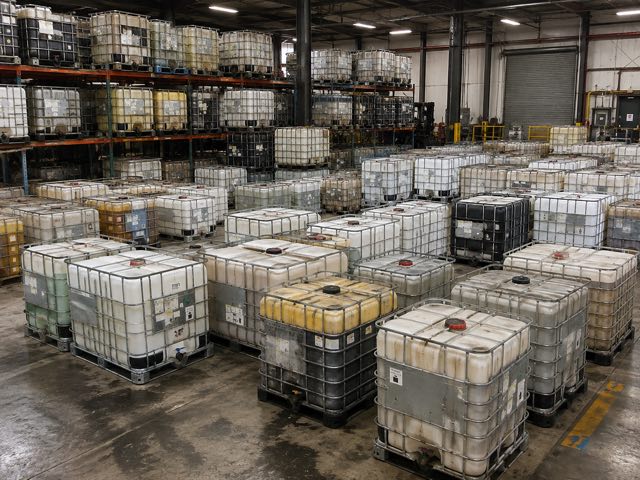
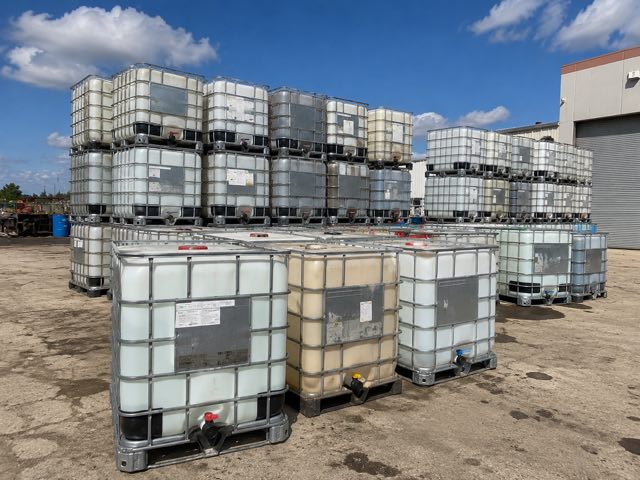
We buy used IBC totes across Northern California, western Nevada and southern Oregon. Typical prices run $25–$45 for a Grade C as-is unit, $45–$70 for Grade B and $70–$95 for a clean Grade A food-history container. Twelve or more inside our 250-mile radius earns free pickup; smaller lots can be delivered to the Bancroft Avenue gate during yard hours.
How it runs, step by step
Photograph the plate and the label
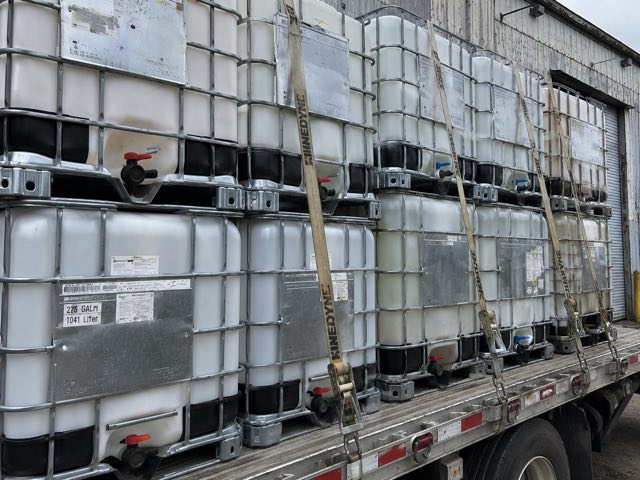
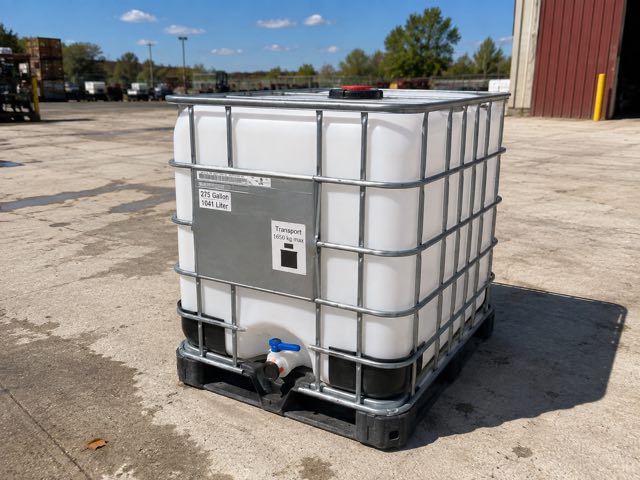
Two photos per lot: the UN plate on the cage and the product label on the bottle. That tells us the design type, the age and the prior contents — the three things that set the price.
Tell us the count and the zip
Count, condition in your own words, and where they are. If they held anything regulated, send the safety data sheet too and we will confirm the empty-container rules before anything moves.
We quote in writing
A per-unit price by grade, with the pickup terms stated. No verbal estimates that shrink when the truck arrives — the number we send is the number we pay.
We collect, grade and pay
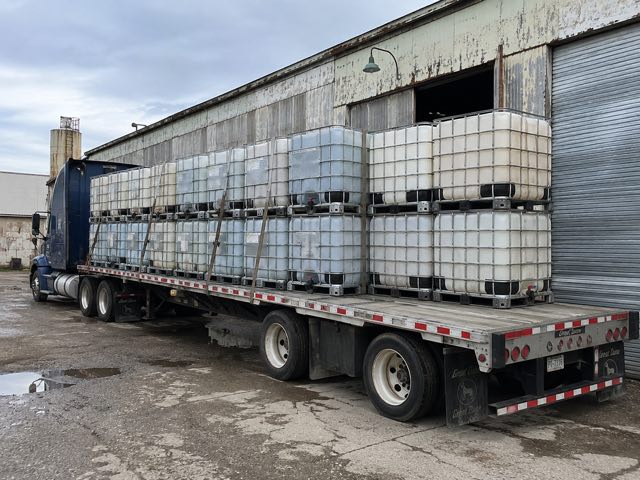
Twelve or more and we come to you, usually on the return leg of a delivery. Units are graded at the yard against the quote; if anything grades lower than described we send you the photograph and the revised figure before we process it.
What we pay
| Condition | Description | Per unit (275 gal) | Pickup |
|---|---|---|---|
| Grade A, food history | Single food-contact product, clean cage, legible plate | $70 – $95 | Free at 12+ |
| Grade A, industrial | Named non-hazardous product, straight cage | $55 – $75 | Free at 12+ |
| Grade B | Staining or odour, minor cage damage | $40 – $60 | Free at 12+ |
| Grade C | Heavy staining, cage damage, functional | $25 – $45 | Free at 24+ |
| Cage only, no bottle | Straight or straightenable frame | $12 – $25 | By arrangement |
| Scrap / failed | Cracked bottle, unknown contents | Scrap value by weight | By arrangement |
Before you book
What we cannot take
Properly emptied matters
Credit is worth more than cash
What we need from you
Five answers. Supply them with the first email and the job is quoted and scheduled without a single round trip.
Two photographs per lot
The UN plate on the cage and the product label on the bottle. Square on and in focus. Those two images settle roughly 80% of the pricing question on their own.
A count and a postal code
The count determines whether pickup is free and whether we schedule a dedicated trip. The postal code determines the lane.
The prior contents, honestly
Including the awkward ones. Disclosed problems almost never move our price, because we have priced for them. Undisclosed ones move it a lot, because now we are also wondering what else we do not know.
A safety data sheet for anything regulated
We make the empty-container determination in writing before a truck is booked. Free, and it prevents a lot moving that should not have.
Access details
Where the containers are standing, whether there is a forklift, and whether a 53 ft flatbed can reach them.
What is included
- A firm written price, valid 30 days, per grade
- Free collection at twelve or more units inside our radius
- Grading at the yard against the quote, with photographs if anything differs
- Payment by cash, check or credit against your next order
- Free disposal of non-hazardous containers we cannot resell
- A diversion note showing weight and destination for your own reporting
What we will not do
- Verbal estimates that shrink when the truck arrives
- Containers whose prior contents nobody can name
- Regulated empties without a proper determination first
If it is not listed, ask
Turnaround, price and process
Indicative 2026 figures. Where a lane or a service level genuinely varies, the range is the range rather than the flattering end of it.
| Lot size | Response | Collection | Payment | Notes |
|---|---|---|---|---|
| 1–11 units | Same business day | Will-call at the gate, or folded into a run | On receipt | Free pickup at 6+ inside San Francisco |
| 12–23 units | Same business day | Free, 3–7 days | Within 5 business days | Usually on a delivery return leg |
| 24–59 units | Same business day | Free, within the week | Within 5 business days | Scheduled against an existing corridor run |
| 60–199 units | Same business day | Dedicated trip, 3–7 days | Within 5 business days | We will move quickly on food-history lots |
| 200+ units | Same business day | Dedicated trip, scheduled | By agreement | Staged collection where the yard cannot clear at once |
The problems this actually solves
"We are paying to have these taken away"
"Nobody will take them because we cannot prove what was in them"
"The last buyer regraded the load after collection"
What you end up holding
Reused containers live or die on documentation. This is everything that leaves here with the job, and how long we keep our copy.
| Document | Issued | We retain | What it is for |
|---|---|---|---|
| Written price per grade | Before collection | 30 days | The number we pay is the number we quoted |
| Empty-container determination | Regulated prior contents | 5 years | Your RCRA compliance file |
| Collection manifest | Where required | Per regulation | Chain of custody |
| Grading report with photographs | If a lot grades differently | 5 years | Settling the difference transparently |
| Diversion note | On request, free | Ongoing | Weight and destination for your reporting |
We Buy Your Totes: FAQ
How much is my used IBC tote worth?
Between $25 and $95 for a standard 275 gallon unit, driven by four things: whether the prior contents were food-grade, non-hazardous industrial or unknown; whether the cage is straight; whether the UN plate is legible; and how many you have. A dozen clean food-history totes are worth substantially more per unit than three unknown ones.
Do you charge to take away containers you cannot resell?
For non-hazardous containers, no — we take them into the recycling stream at no cost because the HDPE and steel have value. For containers requiring hazardous handling there is a disposal fee that we quote in advance. Nothing gets sprung on you at the gate.
How far will you travel for a pickup?
Our own trucks cover the nine Bay Area counties routinely and run as far as Sacramento, Salinas, Napa and Stockton weekly. Beyond that, out to 250 miles, we arrange collection when volume justifies it — usually 24 units or more, or a load we can combine with a delivery.
Can you take them on the same trip as a delivery?
That is the ideal arrangement and roughly 71% of our outbound miles come back loaded. Mention it when you order and we will plan the run as a round trip, which is cheaper for you and considerably better on emissions.
What makes one used tote worth $25 and another $95?
Four things, in order: whether the prior contents were a single traceable food-contact product, whether the cage is straight, whether the UN plate is legible, and how many you have. A dozen clean food-history containers are worth substantially more per unit than three with an unknown history, and the gap is mostly documentation rather than condition.
Will you buy containers you did not originally sell?
Most of what we buy came from somewhere else. Origin makes no difference to the price — the prior contents, the cage and the plate do. We buy from breweries, blenders, packers, growers, brokers and the occasional person clearing a farm.
Do we have to clean them first?
No, and please do not attempt it for anything beyond a rinse. We wash on a closed-loop circuit that recovers 94% of its water; a back-lot pressure wash uses roughly fifteen times more fresh water, achieves less, and produces runoff that in California is a permitting problem. Drain them, keep the lids on, and let us do the rest.