Rent the container. Skip the disposal problem entirely.
Book tote leasing & pooling
One written channel for everything: quotes, bookings, freight and questions. A person reads every one of these.
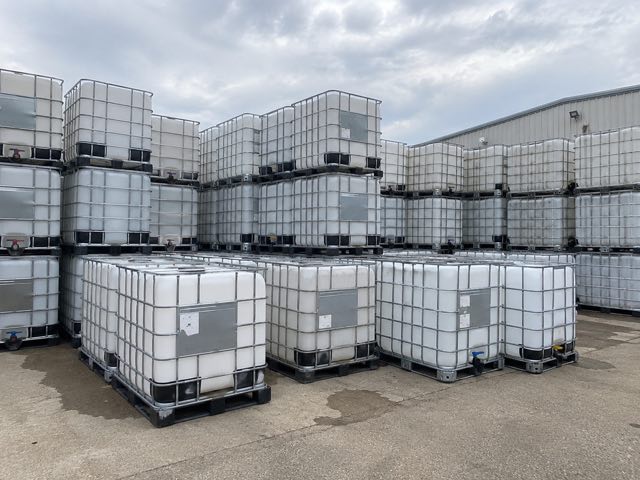
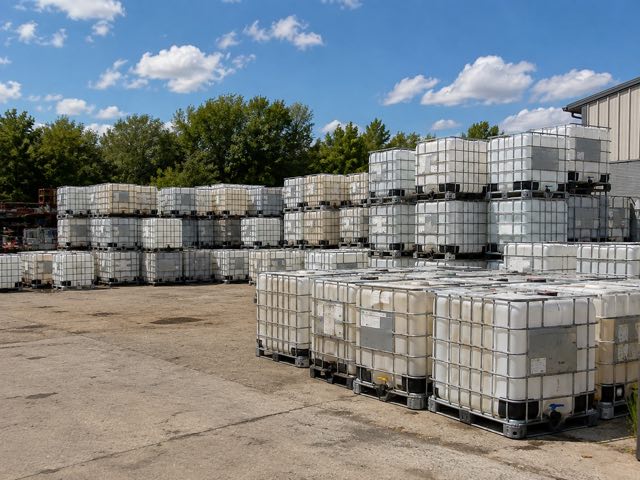
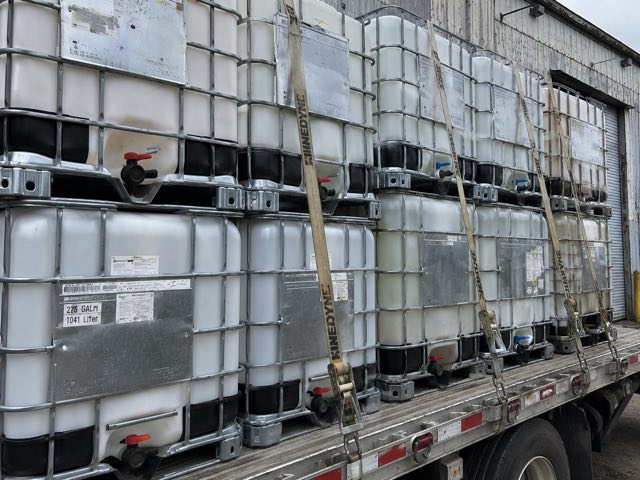
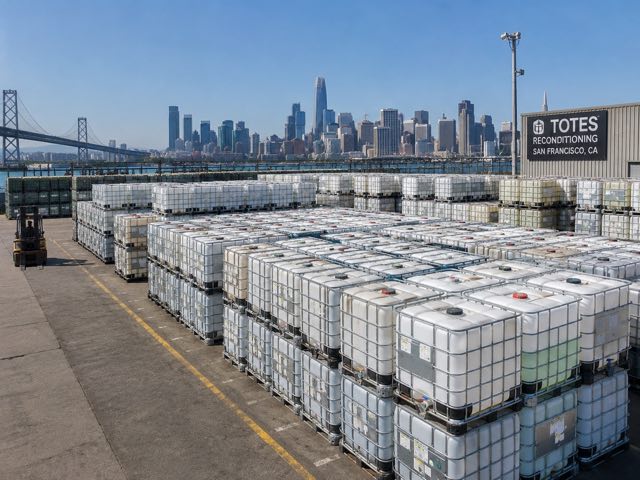
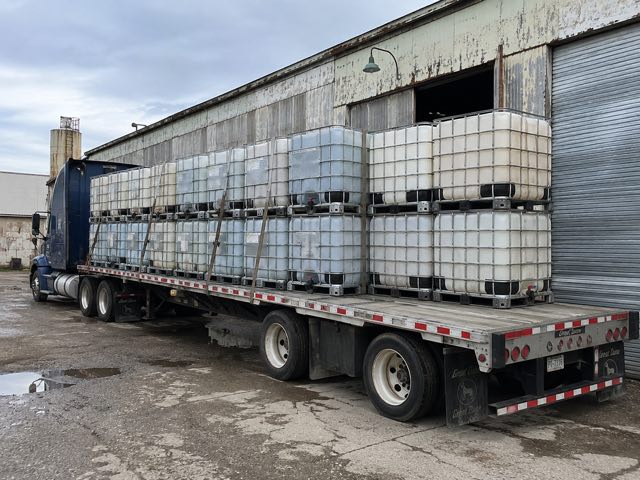
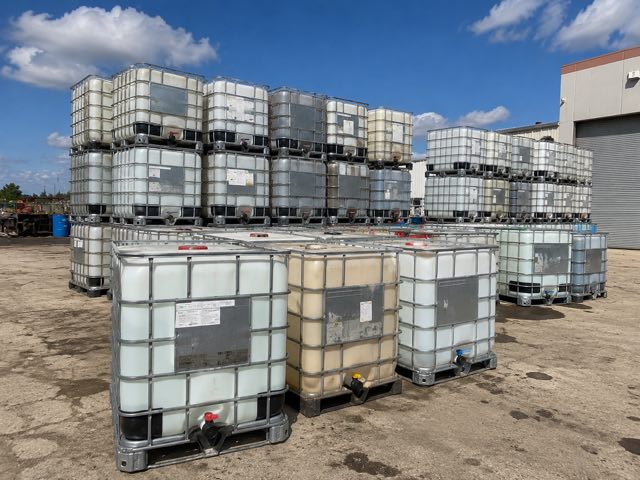
Leasing costs $18–$32 per container per month with a three-month minimum, including delivery, collection and a wash between users. It beats buying when your need is seasonal, when you lack storage, or when you would otherwise be paying to dispose of containers at the end of a project. Utilisation across a pooled container runs roughly three times higher than a privately owned one.
Lease terms
| Term | Grade | Per unit per month | Includes | Typical customer |
|---|---|---|---|---|
| 3–5 months | Grade A industrial | $32 | Delivery, collection, wash between users | Construction water, events |
| 6–11 months | Grade A industrial | $26 | As above plus one mid-term swap | Seasonal chemical storage |
| 12 months+ | Grade A industrial | $18 | As above plus priority swap and annual inspection | Standing process capacity |
| Harvest season (Aug–Nov) | Grade A food-safe | $44 | Food-line wash, covered storage, priority slots | Wineries, cideries, juice packers |
| Emergency / disaster stock | Grade A food-safe | Quoted | Staged units, 24-hour release | Municipalities, utilities |
What we need from you
Five answers. Supply them with the first email and the job is quoted and scheduled without a single round trip.
The term and the season
Three months minimum. If your requirement is seasonal, tell us the window rather than a date — crop and production dates move and a window costs nothing to hold.
A count, and a peak count
The number that sizes the pool is what you need in the single busiest fortnight, not the average.
The grade you need
Food-grade leasing is a different pool, a different price and a different reservation deadline from industrial.
Delivery and collection access
Same questions as any delivery, twice — because the containers come back.
Whether you might want to buy at the end
About a third of leases end that way, and accumulated payments credit against the purchase price up to 60% of unit value.
What is included
- Delivery and collection, both included in the monthly rate
- A wash between users, so containers arrive clean with a certificate
- Normal wear — expected and not chargeable
- A mid-term swap on terms of six months or more
- Priority swap and an annual inspection on twelve-month terms
- Covered storage of reserved food-grade stock until your window opens
What we will not do
- Cosmetic deductions at the end of the term
- Surprise inspection fees
- Releasing your confirmed stock to somebody shouting louder in late August
If it is not listed, ask
Turnaround, price and process
Indicative 2026 figures. Where a lane or a service level genuinely varies, the range is the range rather than the flattering end of it.
| Term | Grade | Per unit per month | Includes | Reserve by |
|---|---|---|---|---|
| 3–5 months | Grade A industrial | $32 | Delivery, collection, wash between users | 4 weeks ahead |
| 6–11 months | Grade A industrial | $26 | As above plus one mid-term swap | 4 weeks ahead |
| 12 months + | Grade A industrial | $18 | As above plus priority swap and annual inspection | 6 weeks ahead |
| Harvest, Aug–Nov | Grade A food-safe | $44 | Food-line wash, covered storage, priority slots | End of June |
| Emergency / disaster stock | Grade A food-safe | Quoted | Staged units, 24-hour release | By agreement |
| Damage charge | Any | At grade replacement cost | Stated in the agreement before signing | — |
| Lease-to-purchase credit | Any | Up to 60% of unit value | Applied against the purchase price | — |
The problems this actually solves
"We own forty totes that work for eleven weeks a year"
"Our vintage size moves 30% year to year"
"The project ends and we are stuck with the containers"
What you end up holding
Reused containers live or die on documentation. This is everything that leaves here with the job, and how long we keep our copy.
| Document | Issued | We retain | What it is for |
|---|---|---|---|
| Lease agreement with damage schedule | Before delivery | Term + 5 years | No surprises at the end |
| Wash certificate per rotation | Each delivery | 5 years | Your HACCP or quality file |
| Condition record at collection | End of term | 5 years | Transparent basis for any charge |
| UN inspection record | 12-month terms | 5 years | Regulated service |
| Purchase credit statement | On conversion | 5 years | Accumulated lease value applied |
Tote Leasing & Pooling: FAQ
When does leasing beat buying?
Three situations. When your need is seasonal — a winery using forty totes for eleven weeks pays roughly $1,900 to lease against $6,000 to buy and then stores them for nine months. When you have no storage, because outdoor storage degrades containers and costs yard space. And when a project ends with a disposal bill, since leasing hands that problem back to us.
What happens if I damage one?
Normal wear is expected and included. Genuine damage — a cracked bottle, a crushed cage, a lost valve — is charged at the replacement cost of the grade, which we state in the agreement before you sign. There are no surprise inspection fees and no cosmetic deductions.
Can I convert a lease into a purchase?
Yes, and about a third of leases end that way. Accumulated lease payments credit against the purchase price up to 60% of the unit value, so a container you leased for eight months and then bought costs you very little more than buying it outright.
Do leased totes come with the same documentation?
Identical. Wash certificate, prior-contents record, grade and — where the container is in regulated service — a current UN inspection record. A leased container is not a lesser container; it is the same stock on a different commercial arrangement.
What counts as damage rather than wear?
Wear is scuffing, label residue, cosmetic marks on the cage and the ordinary dulling of the bottle — all expected, none chargeable. Damage is a cracked bottle, a crushed cage, a lost valve or a base that has failed. It is charged at the replacement cost of that grade, which is written into the agreement before you sign so there is nothing to argue about later.
Can we extend mid-season?
Usually, and it is worth asking early rather than late. During harvest the honest answer is sometimes no, because the units are already committed to somebody else's confirmed window. Outside August to November there is almost always slack.
Do leased containers come with the same documentation?
Identical. Wash certificate, prior-contents record, grade and — where the container is in regulated service — a current UN inspection record. A leased container is not a lesser container; it is the same stock on a different commercial arrangement.