Forty totes for eleven weeks, and nothing to store in February
Start a similar project
Describe the problem rather than the container. Most of the useful work in these jobs happened before anyone chose a product.
Replacing forty owned IBC totes with a seasonal harvest lease cut this winery’s per-harvest container cost by 62%, from roughly $4,900 amortised to $1,870, and eliminated nine months of outdoor storage that was costing them four to six containers a year to UV degradation and freeze damage. Containers arrive food-line washed with certificates each August.
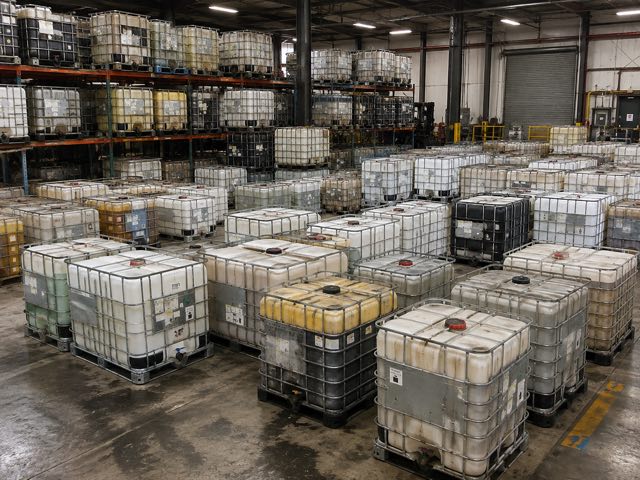
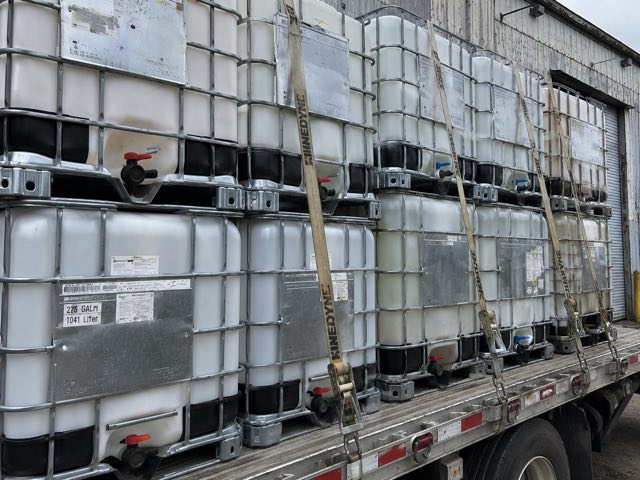
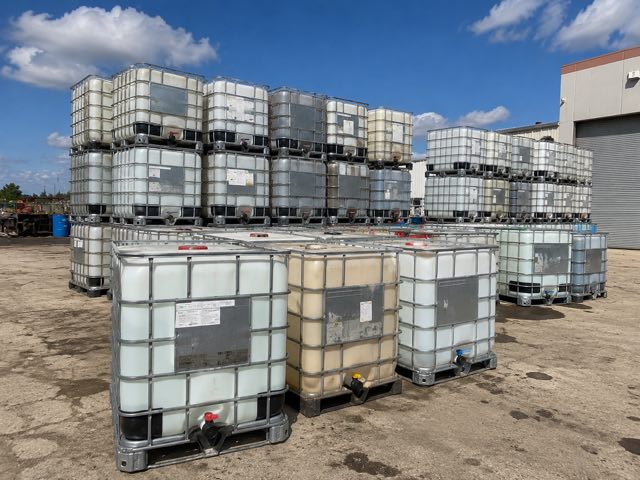
What we were given
- 45,000 case production, harvest running mid-August to early November
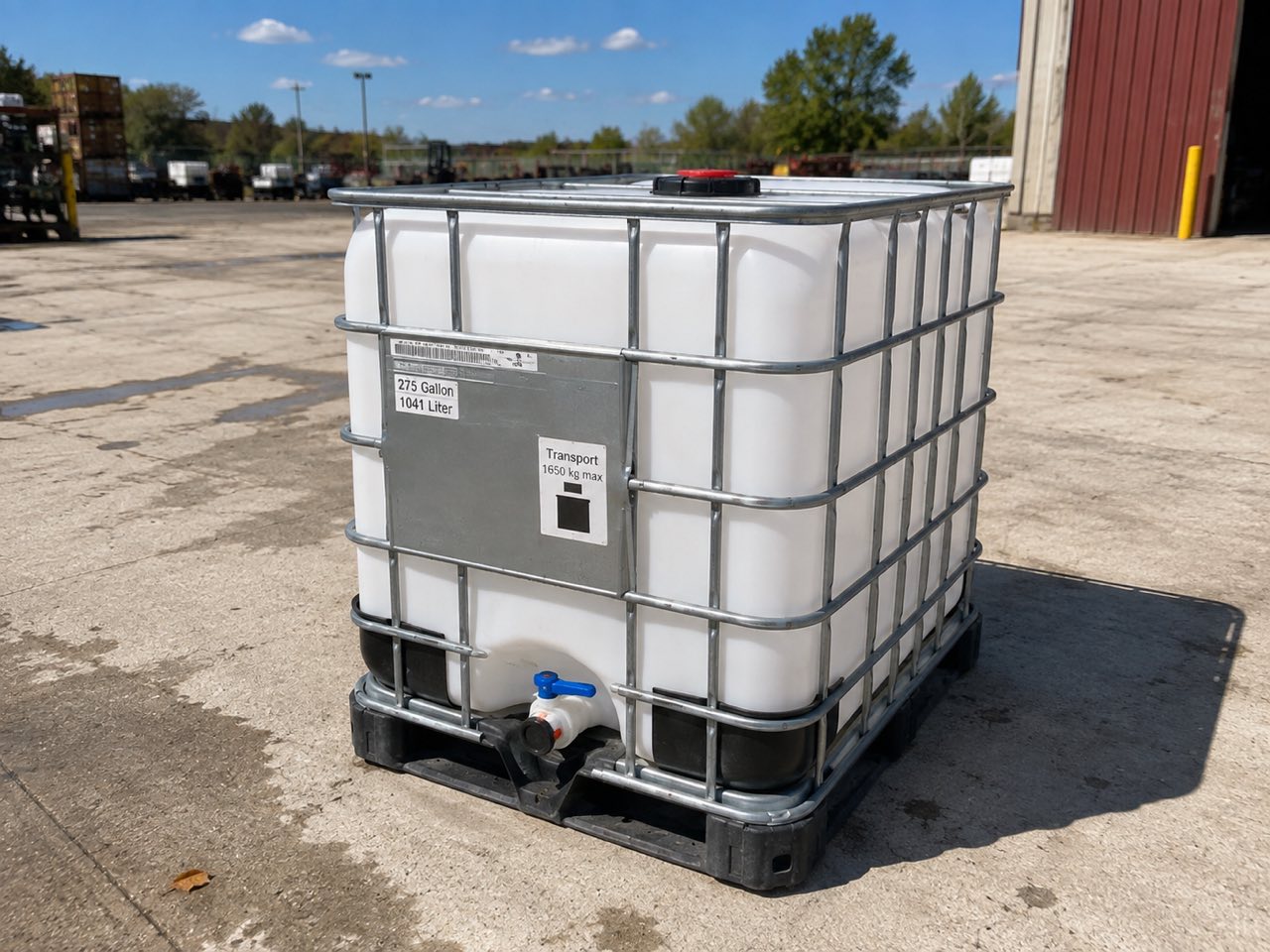
- Forty owned 275 gallon food-grade totes, average age six years
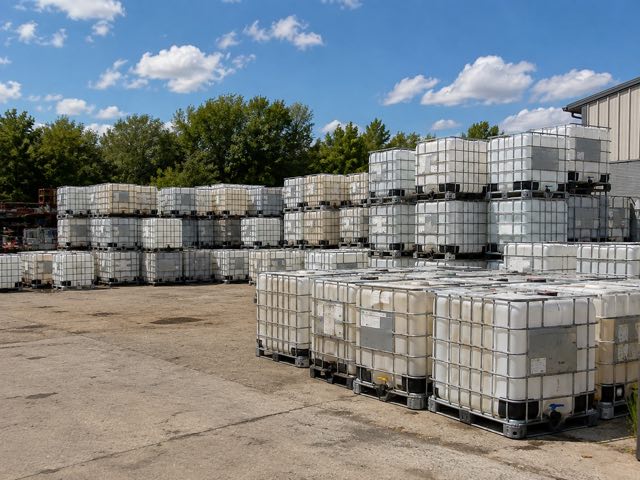
- Outdoor storage on gravel between seasons, uncovered
- Four to six containers replaced annually from weather damage
Four constraints
Eleven weeks of use, fifty-two weeks of ownership
The fleet was genuinely essential during crush and genuinely idle the rest of the year. Amortised across a five-year life with replacement losses, each harvest was costing about $4,900 in containers alone.
The sun was eating the fleet
Uncovered outdoor storage in Napa is harder on HDPE than in San Francisco — more sun, more heat, and occasional hard frosts. They were losing four to six containers a year, and the survivors were noticeably more brittle by year four.
Cleaning was happening in a hurry
Containers were being rinsed on site in August under time pressure, with no documentation. For a producer whose buyers increasingly ask about food-safety controls, that was becoming a commercial problem as well as a hygiene one.
Storage occupied land that could be planted
The container yard was a quarter acre of otherwise usable ground.
The solution, step by step
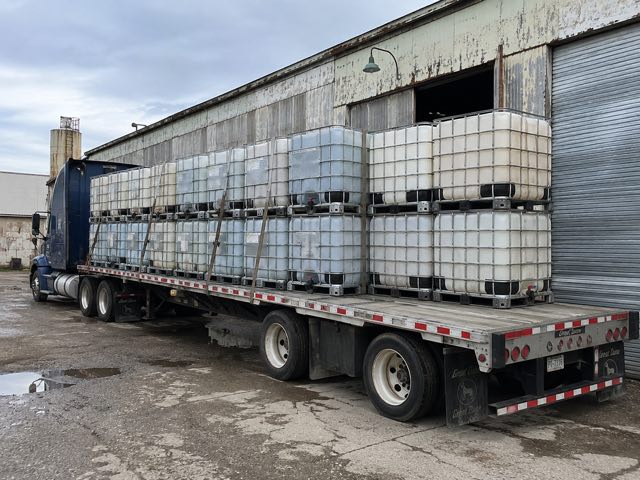
A forty-unit seasonal lease, August to November
Grade A food-safe stock, reserved in June, delivered the second week of August and collected in the second week of November. Priced at $44 per container per month for the harvest term.
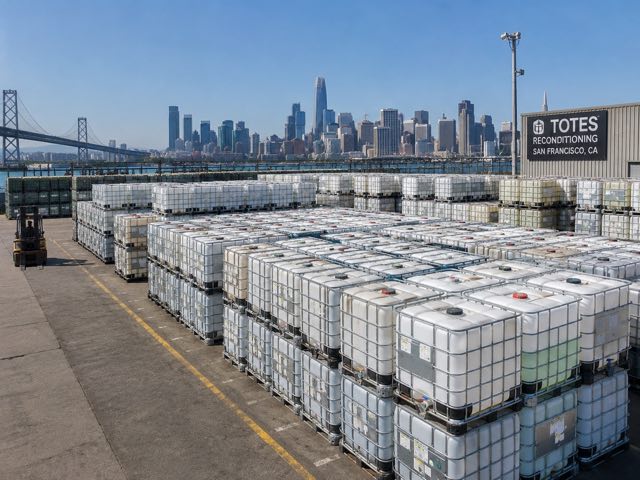
Food-line wash and certificates on arrival
Every container arrives washed on our dedicated food line with a certificate tied to its unit number. The winery’s own HACCP documentation now references those certificates rather than an internal rinse log.
Ten units bought outright for year-round use
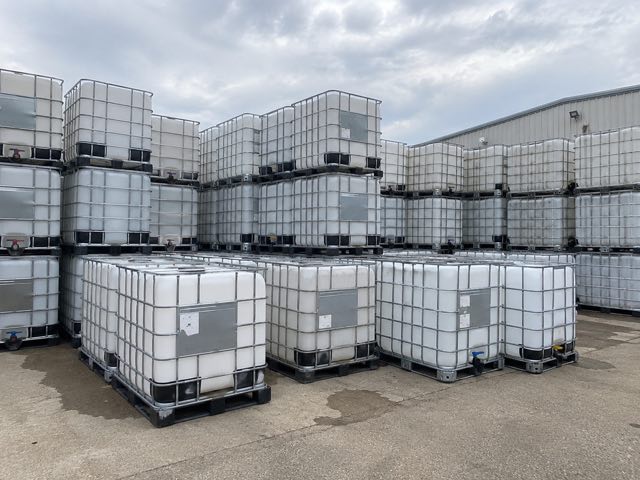
They genuinely needed a small standing fleet for cellar work. We sold them ten rebottled units for that, which live indoors, and leased the seasonal surge.
Priority slots rather than a queue position
Harvest dates move with the weather. The agreement gives them a two-week delivery window they can call within, rather than a fixed date they would inevitably have to change.
Their old fleet bought back
We purchased twenty-six of their forty containers at Grade B, credited against the first season’s lease, and recycled the fourteen that failed testing. That credit covered most of the first year.
Feedback
“The part I did not expect was not having a container yard any more. We had stopped seeing it as a cost because it had always been there.”
— Cellar master, Napa Valley winery
What went wrong
Questions this project raises
Why lease harvest totes instead of owning them?
Because a harvest fleet is used for about three months and stored for nine. Ownership makes you pay for the storage, the UV degradation and the freeze damage that happen during the idle period, none of which produce any wine. This winery was losing four to six containers a year to outdoor storage alone. Leasing moved the per-harvest cost from roughly $4,900 amortised to $1,870 and moved the yard, the washing and the replacement risk onto us.
When should a winery reserve food-grade leasing stock?
By June for an August to November harvest, and earlier in a year that looks warm. Our North Bay food-grade stock books out most seasons, and 2025 taught us why: harvest came early across the whole valley and three leasing customers called their window inside ten days. We now hold a 15% buffer through September, but a buffer is not a substitute for a reservation. A confirmed slot is never bumped, which protects you and constrains us equally.
How do you certify a leased tote as food-safe each season?
Every unit is washed on a dedicated food line, never on the industrial caustic circuit, and ships with a wash certificate tied to its individual unit number plus a traceable single food-contact prior-product record. The certificates arrive with the delivery rather than following it by email a week later, because a compliance chain that lands after the fruit does is no use to anybody. We keep copies on file for audit requests.
What condition do leased totes have to come back in?
Emptied and rinsed of gross solids, with the valve closed and the cage intact. You do not need to wash them — that is our job and the reason the lease exists. Normal marking, staining and scuffing carries no charge. What does carry a charge is structural damage from forklift strikes and any container returned with product still in it, because a full tote is a disposal problem rather than a wash job.
Can a leased fleet scale up mid-harvest if the crop is bigger?
Usually, but not instantly and not during the first week of crush. If you call before the valley goes into full swing we can generally add units within two to three days on our own North Bay flatbed run. Once every winery in Napa and Sonoma is picking at once, the lane and the wash bays are both saturated. Build a rough upside number into the June reservation and the mid-harvest call becomes a formality.