Eleven steps, thirty-four minutes, one container saved.
Rebottle your cages
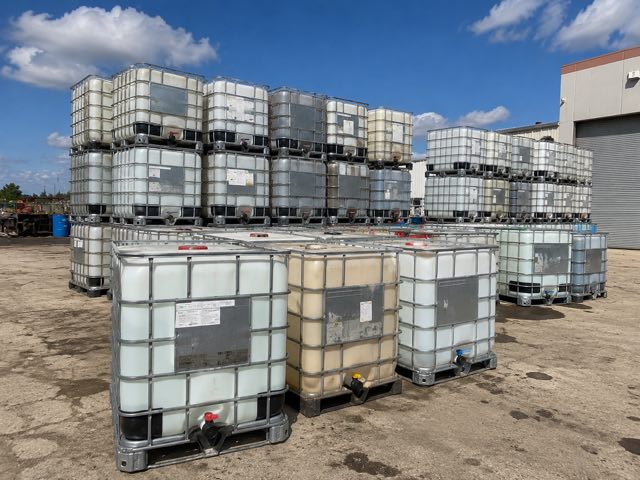
Send a count and a photograph of a representative cage. We will tell you what share is likely to pass triage before you ship anything.
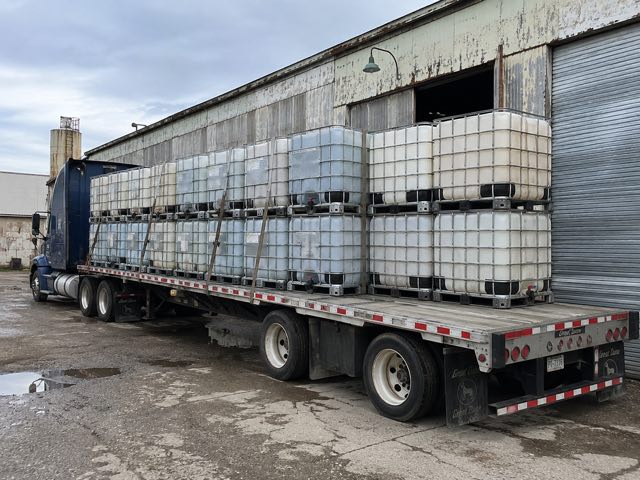
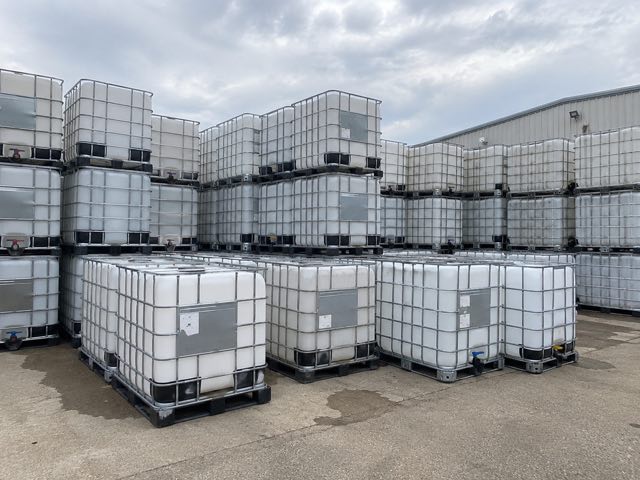
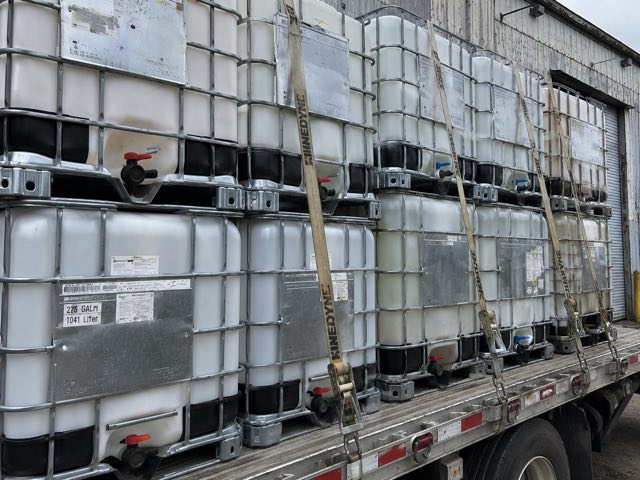
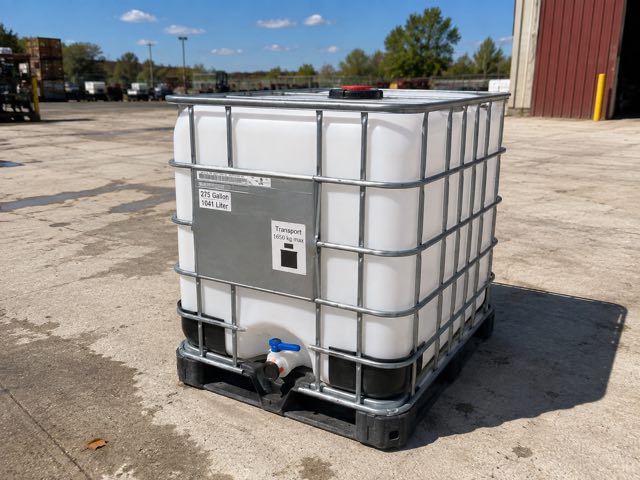
Rebottling replaces the HDPE bottle inside a reclaimed steel cage rather than replacing the whole container. The cage and pallet are roughly 40% of a new unit's cost and nearly all of its embodied steel, so reusing them saves both money and about 148 lb of CO₂e per container. The catch is that it only works on a cage that genuinely passes inspection — which is why the first step is the one we are strictest about.
From the yard
Step by step
Triage the cage
On the jig, under light. Weld integrity at every bottom-rail joint, base-ring corrosion, geometry within half an inch, plate legibility. Roughly one in five customer cages fails here and we send it back rather than build on it.
Strip
Old bottle cut free, valve and lid removed, gasket discarded, cage separated from pallet. The old bottle goes straight to the granulator queue — it is never stored, because a stored scrap bottle eventually gets confused with stock.
Degrease
The frame goes through the industrial wash to remove product film, dust and label adhesive. A greasy cage cannot be inspected properly and will not hold paint or a stencil.
Straighten
Bent bars pressed back in a hydraulic jig against a template. We straighten rather than heat — heating galvanised steel destroys the coating and creates a corrosion site you will not see for two years.
Replace the base ring
The bottom ring takes the corrosion because it sits in whatever the pallet collects. Corroded rings are cut out and replaced with new galvanised stock rather than wire-brushed and hoped for.
Pallet decision
Composite, steel or plastic, matched to the customer’s handling environment. Soft, split or rotted pallets are swapped, not patched. A good bottle on a failing pallet is a dropped container.
Seat the bottle
The critical step. The new bottle is pressed evenly into the cage so it sits square on the pallet with no shoulder load. Pushed rather than pressed, it carries stress that appears months later as crazing at the corners.
Clamp the collar
Top collar clamped to the cage in sequence, opposite corners first, so the bottle is not pulled out of square by uneven tension.
Fit outlet, gasket and lid
New 2 in butterfly valve, new EPDM gasket, new vented or solid lid to spec. Torqued to the manufacturer figure with a wrench, not by feel — over-torquing distorts the flange and causes the slow weep that people blame on the bottle.
Leak test
Sealed and held at 3 psi, monitored for decay. Any failure goes back to Step 9 once. A second failure means the cage geometry is wrong and the unit is broken back down.
Document and mark
Bottle manufacture date, cage origin, inspection result, unit number. Plate reviewed and, where the container will carry regulated liquid, a periodic inspection record issued alongside.
The arithmetic per container
Rebottling is more labour than reconditioning and less material than buying new. That middle position is exactly why it exists.
Where rebottling loses
| New unit | Rebottled | Difference | |
|---|---|---|---|
| Virgin HDPE used | 55 lb | 55 lb | none |
| Virgin steel used | 78 lb | 0 lb | −78 lb |
| Embodied CO₂e | ≈ 247 lb | ≈ 99 lb | −148 lb |
| Typical 275 gal price | $290 – $360 | $195 – $260 | −$95 to −$100 |
| Interior condition | Never filled | Never filled | identical |
| Cosmetic condition | New | Used steel | visible |
| Hands-on labour | 0 min | 34 min | +34 min |
Rebottling FAQ
How long does rebottling take per unit?
About 34 minutes of hands-on labour spread across two benches, plus queue time. A scheduled fleet of forty units typically returns in seven to ten business days, most of which is waiting for bottle stock rather than working on cages.
Which step causes the most failures?
Step 7, seating the bottle. A bottle that is not fully seated in the cage before the collar is clamped carries stress at the shoulder that shows up months later as crazing. It is the reason we press rather than push, and the reason a rushed rebottle is worse than no rebottle.
Can you rebottle a cage I supply?
Yes, provided it passes Step 1. We refuse roughly one in five customer-supplied cages — usually base-ring corrosion or a weld failure at the bottom rail that is not visible until it is on the jig. You get a photograph and the cage back either way.