Three jobs, written up honestly.
Talk about your project
Describe the problem rather than the container. The useful part of every job below happened before anyone picked a product.
The common thread across all three: the container was never the hard part. Disposal logistics, seasonal storage and a five-day watering cycle were the actual problems. In each case the right answer involved rearranging how containers move rather than buying better ones.
From the yard
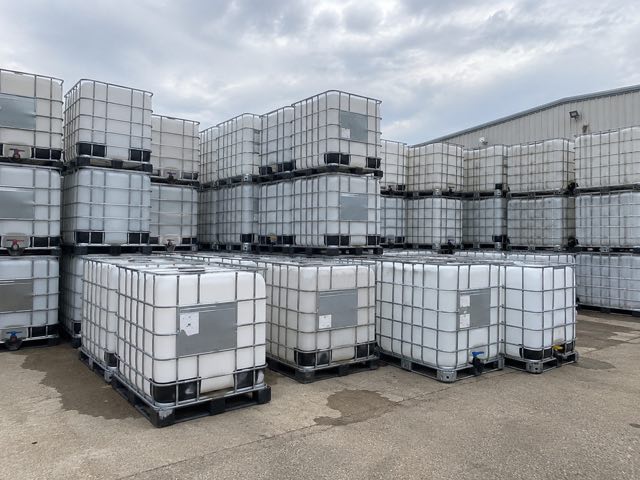
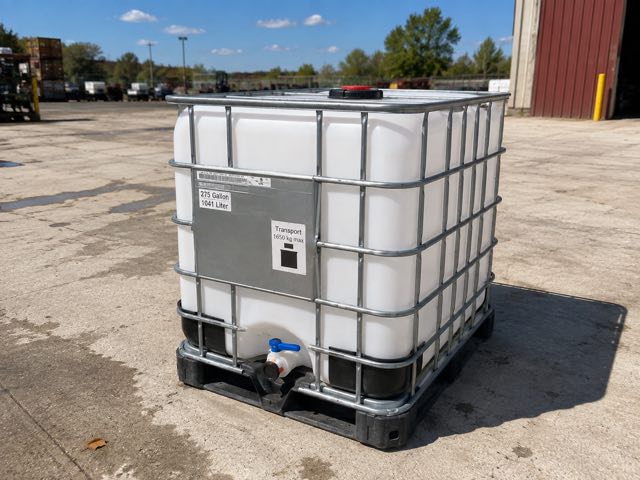
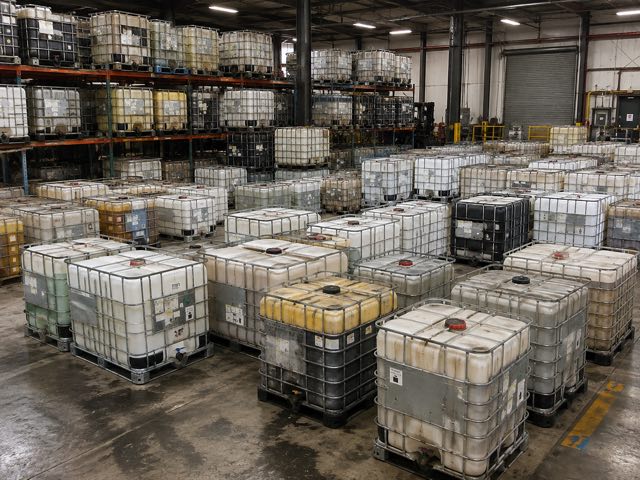
Read the write-ups
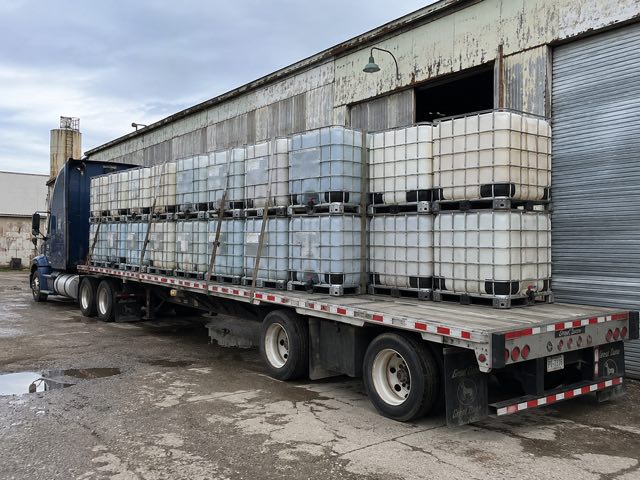
Brewery Caustic Loop
Replacing 340 caustic drums a year with sixteen totes on a closed rotation.
91% less chemical packaging waste by mass
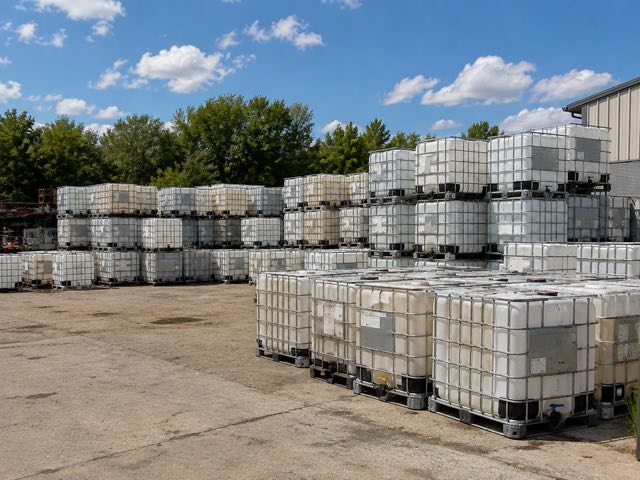
02 · 2025Vineyard Harvest Fleet
Swapping forty owned totes for an eleven-week seasonal lease.
62% lower cost per harvest
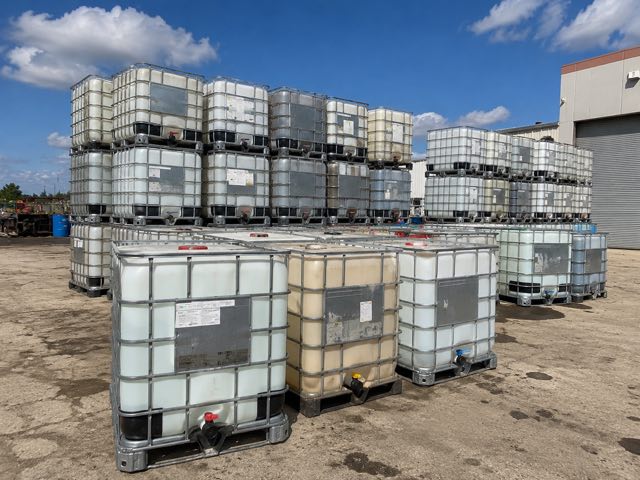
03 · 2023 – 2026Municipal Street Trees
Gravity-fed tree watering rigs from containers that failed a leak test.
40% fewer watering rounds
Frequently asked
What do these case studies actually document?
Real projects with real numbers, including the parts that went wrong. Each one covers the brief we were given, the constraints that made it awkward, what we built or supplied, what it cost and what it saved, and a section about the mistake we made along the way. That last section exists because a case study without a failure in it is an advertisement, and you cannot learn anything useful from an advertisement.
Are the figures in these case studies verified?
They come from the customer's own operating data rather than our estimates, and the customers reviewed the write-ups before publication. Savings figures are net of container investment and freight, which is why some of them look smaller than the headline numbers competitors quote. Where a figure is a modelled projection rather than a measured outcome, the text says so explicitly.
Can you do something similar for my operation?
Usually, and the useful conversation starts with the problem rather than the container. Every one of these projects began with somebody describing a handling, disposal or storage headache, not with somebody specifying a tote. Tell us what the liquid is, how much of it moves per week, who touches it and what happens to the empty packaging today, and the container specification falls out of that almost by itself.
How long does a project like these take to set up?
A closed rotation on standard reconditioned stock can be running in two to three weeks. A seasonal leasing arrangement needs to be reserved months ahead — food-grade harvest stock books out by June most years. A fabrication programme depends on design review and prototype sign-off, and thirty-plus custom rigs is realistically a two to three month job from first drawing to final delivery.
Do you publish case studies for every customer?
No, and most customers prefer it that way. Anything published here was agreed with the customer, and several are anonymised to a description rather than a name because procurement teams do not always want their supplier arrangements public. If you would rather your project stayed private it simply stays private; it has no bearing on pricing or priority.