The short version
- Rebottling grew 38% — the second cage jig was the constraint all along.
- Refusal rate fell to 5.9% after dropping one intake channel.
- Leasing outgrew sales again; the container pool is now sized for it.
- The landfill line moved to 1.4%. We still want it under 1%.
The headline numbers
| Measure | 2024 | 2025 | Change |
|---|---|---|---|
| Containers handled | 39,400 | 41,100 | +4.3% |
| HDPE kept in service | 5.3M lb | 5.6M lb | +5.7% |
| Landfill diversion | 98.4% | 98.6% | +0.2 pt |
| Rebottled units | 5,910 | 8,160 | +38.1% |
| Fresh water per container | 7.0 gal | 7.0 gal | flat |
| Wash water recovered | 94% | 94% | flat |
| Offered stock refused | 6.4% | 5.9% | −0.5 pt |
| Leasing revenue | baseline | +31% | +31% |
| Employees | 23 | 23 | unchanged |
Volume growth slowed from 7.1% to 4.3%, which is fine and largely deliberate. We spent the year improving mix rather than throughput — more rebottling, more leasing, less low-margin Grade C churn.
Rebottling: the jig was the whole story
In last year's report I wrote that we should have bought the second cage-straightening jig in 2022 instead of 2024. The 2025 numbers make that look worse rather than better: rebottled units grew 38% in the first full year of two-jig operation, from 5,910 to 8,160.
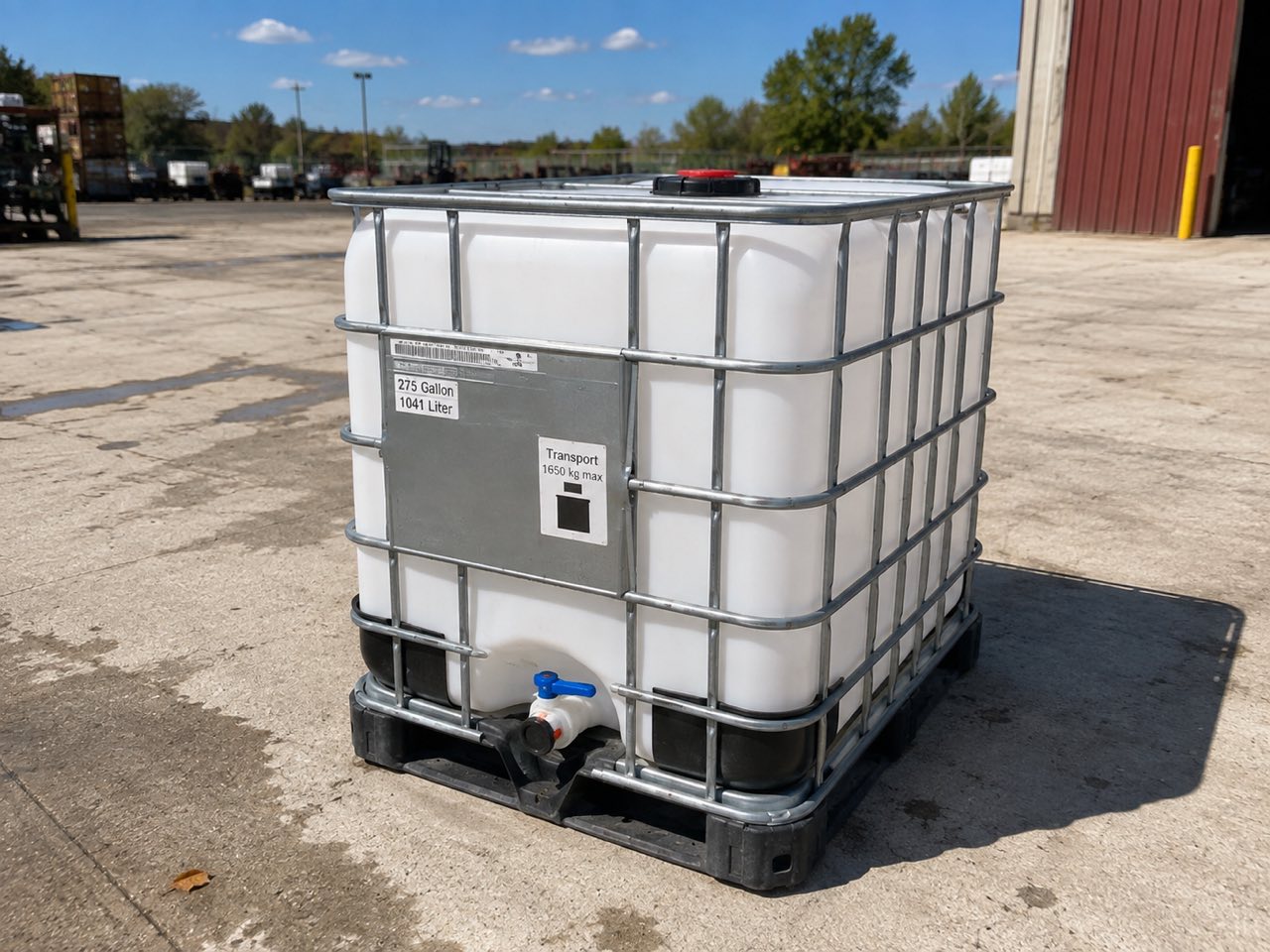
Rebottling is our highest-margin product and the one with the best environmental story after straight reconditioning — 78 lb of virgin steel avoided per container, a factory-clean interior for the customer. For two years the bench could only process one cage at a time and we simply did not connect that constraint to the output number.
The lesson we have taken from it, and are now applying elsewhere: when a product line grows more slowly than its demand, look for the single piece of equipment nobody has questioned. It is not always the obvious one.
Refusals came back down
Our refusal rate fell from 6.4% to 5.9%, which validates the supplier work we did in early 2025. Two thirds of the 2024 increase had traced to a single broker channel; we audited them, showed them the concordance data, and eventually stopped buying.
| Reason for refusal | 2024 share | 2025 share |
|---|---|---|
| Prior contents cannot be named | 44% | 41% |
| Chemical attack | 21% | 23% |
| Terminal stress-crazing | 17% | 18% |
| Cage or base-ring failure | 11% | 12% |
| Regulated-empty paperwork | 7% | 6% |
The mix shifted slightly toward genuine material failure and away from documentation problems, which is the direction you want — it means we are refusing containers because they are worn out rather than because somebody upstream was careless.
Leasing outgrew sales again
Leasing revenue grew 31% against low single digits for outright sales. Forty-one accounts moved from owning to leasing over the year, seventeen of them wineries and cideries.
We have now sized the pool for this rather than treating leasing as a side programme, which mostly means holding more Grade A food-safe stock in reserve and accepting lower utilisation in the spring in exchange for being able to keep promises in September.
It also changes our own economics in a way I like: a leased container comes back, gets washed and goes out again, which pushes average cycle count up. Cycle count is the number that drives the entire environmental argument for this business, and leasing improves it structurally.
Two things we got wrong
Harvest again, though less badly. We held the promised 15% buffer and still went to a waiting list in the third week of September. Nobody's confirmed slot was missed, which is the improvement, but eleven customers who had not reserved got told no. Some of those were long-standing accounts and it did not feel good.
The second is a reporting failure rather than an operational one. We told customers that diversion reporting would become standard rather than on-request during 2025. It did not — it is still opt-in, and only about a third of eligible accounts have it switched on. That is a fifteen-minute change to a process and we simply did not prioritise it. It happens in the first quarter of 2026.
What 2026 looks like
- Diversion reporting becomes default-on for every account. Genuinely, this time.
- Food-grade intake development: we are approaching processors directly rather than waiting for containers to arrive through brokers.
- A third wash bay conversion to food-line specification, which is the only way the August constraint materially eases.
- Landfill line target under 1%. Blocked on composite pallet trim, which needs a supplier-side design change we cannot make alone.
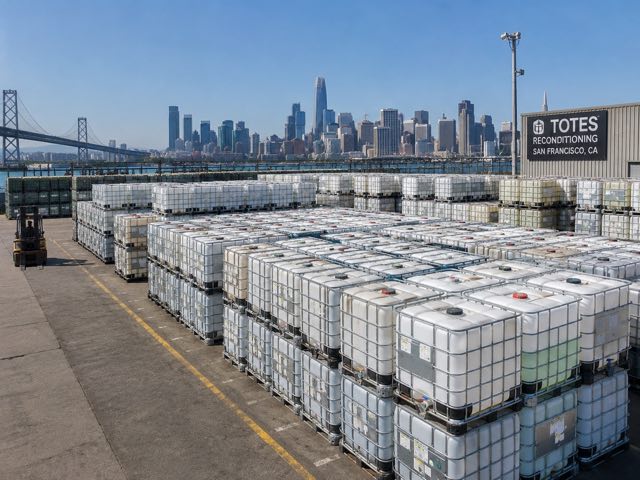
And the thing that will not change: the yard stays 3.4 acres and the headcount stays around twenty-three. Growth from cycle count, not acreage. That has been the plan since 2018 and it is still working.
Written by Marisol Trejo, founder & managing partner at IBC Totes San Francisco. Published January 15, 2026. Spotted something wrong? Tell us — we would rather fix it than defend it.