The short version
- The greenest decision we made was also the cheapest — that is rarer than it sounds.
- Refusing to sell containers with unknown histories cost margin and built the business.
- Not having a phone number is the thing customers comment on most.
- Growth from cycle count, not acreage. Same 3.4 acres since 2018.
It started with forty-eight crushed totes
In 2009 I was working in beverage logistics in Modesto and I watched a plant crush forty-eight intact 275 gallon totes because nobody had a system for taking them back. Not damaged ones. Good ones, with straight cages and clean bottles, going into a shredder because the alternative required somebody to organise something.
I rented a flatbed that week. The first year moved 1,100 containers off a quarter-acre lease off Third Street and lost money on freight, because I had not understood that a truck going out full and coming back empty has done half a job. It took us until 2019 to properly solve that, which tells you something about how long obvious things take.
The four decisions
2012 — The closed-loop wash circuit
A caustic circuit with a three-stage separator, $118,000, at a point when the business could not really afford it. It replaced a pressure washer and a drain. Water per container fell from 110 gallons to about seven, it paid back in five years, and it made Grade A a category we could honestly sell. The best decision in the company's history and it was made for cost reasons, not environmental ones.
2016 — Separating the food-grade line
Priya arrived and insisted that food-contact containers get their own bays, hoses, gasket stock and staff rotation. It cost throughput immediately and won us the beverage accounts within two years. I argued against it at the time. I was wrong.
2018 — Moving to Bancroft Avenue
3.4 acres, four wash bays, covered storage, a fabrication shop. The largest capital decision we have made and the one that made everything after it possible. It also nearly broke us in the first eighteen months, which nobody mentions when they talk about growth.
2021 — Bringing granulation in house
Scrap bottles stopped leaving as waste and started leaving as feedstock. Landfill diversion crossed 98% for the first time and has stayed there. This one was straightforwardly good and I have nothing interesting to say about it.
The rules that cost us money and were worth it
We refuse roughly six per cent of everything offered to us, nearly half of it because nobody can name the prior contents. That is real margin, every year, given up.
We do not inflate grades. A B stays a B when a customer wants an A and the A pallet is empty. We have lost orders over this and we will lose more.
And we do not have a phone number, which is the thing customers comment on most and the decision people find hardest to believe is deliberate. Everything goes through one written channel so nothing is lost to a voicemail nobody checks and every answer is on the record. Sixteen years in, we have no plans to change it.
What these have in common is that each one converts a short-term cost into a long-term reason to trust us. That is not a strategy I would have articulated in 2009. It is what the business turned out to be.
What we got wrong
- We should have bought the second cage-straightening jig in 2022 rather than 2024. Rebottling grew 38% in the first full year of two-jig operation. The constraint had been sitting there for two years and nobody connected it to the output number.
- We were slow on supplier auditing. The evidence that one intake channel was systematically inflating grades was available for at least a year before we looked properly. That is a process failure, not a supplier failure.
- We under-reserved harvest leasing stock in 2025 and pushed two deliveries late. Fixed with a 15% buffer, but it should not have needed a bad September to prompt it.
- We spent too long treating leasing as a side programme. It has outgrown outright sales two years running and we sized the pool for it a year later than we should have.
Where it is now
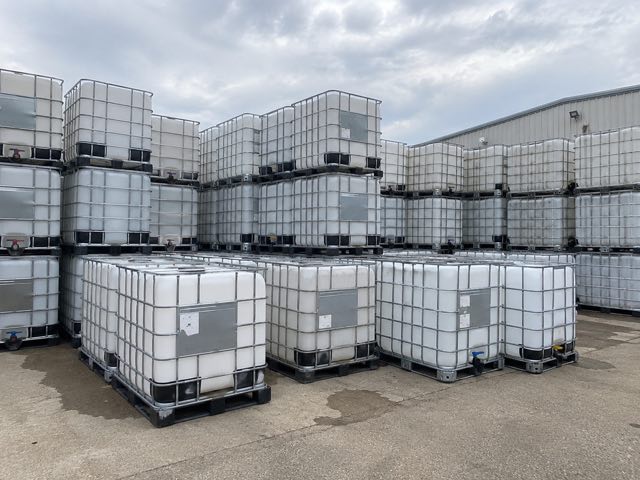
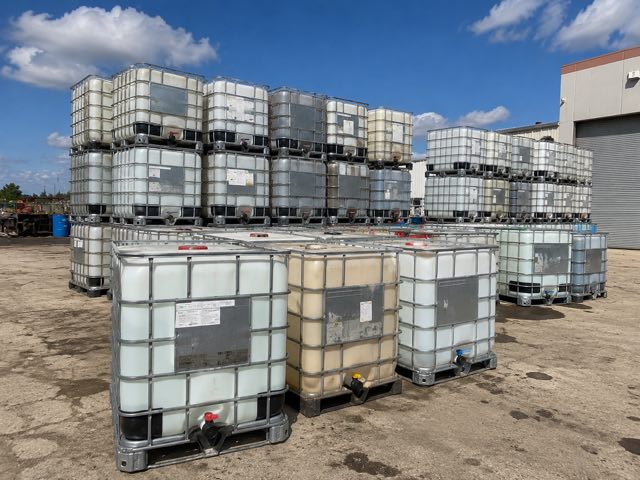
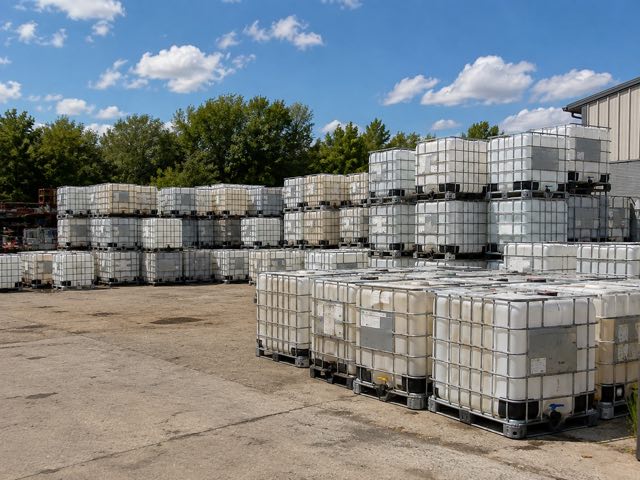
Forty-one thousand containers a year, twenty-three people, four flatbeds, 98.6% of incoming mass leaving as product or feedstock. Sixteen of the twenty-three live within three miles of the gate, which was not an accident.
The number I care most about is that the site is still 3.4 acres and has been since 2018. Volume growth now comes from cycle count and from throughput per container, not from taking more land. That is what a reuse business is supposed to look like once it is actually working, and it took a decade to get there.
If you are thinking about doing something similar: the environmental case and the commercial case point the same direction far more often than people expect. The closed-loop circuit was the greenest thing we ever did and it paid us back. Backhauling halved our miles and made freight cheaper. Reuse avoids more than recycling and costs the customer less. Almost none of the good decisions required a trade-off, and the ones that did — the food line, the refusals — bought something worth more than the margin they cost.
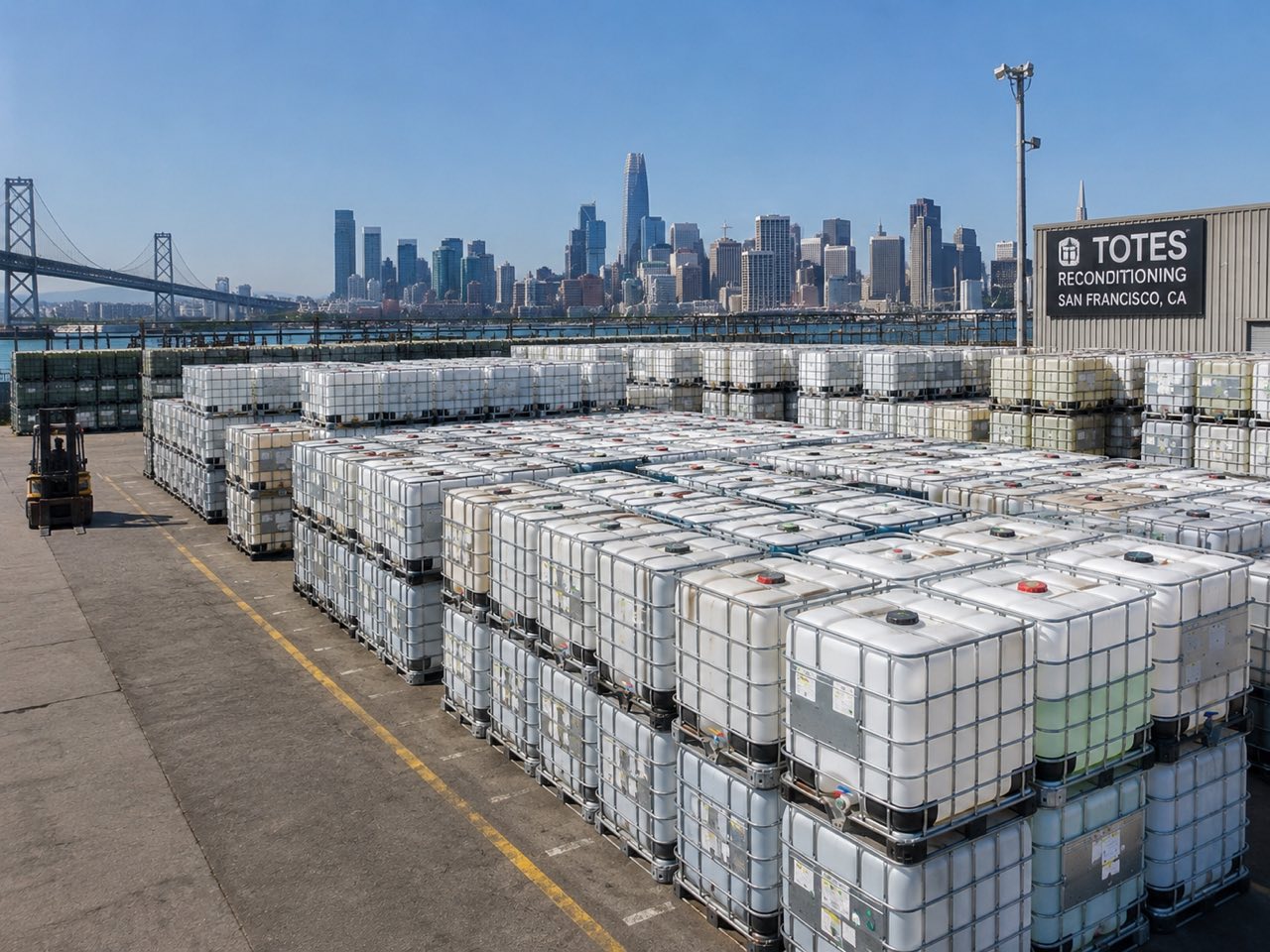
Written by Marisol Trejo, founder & managing partner at IBC Totes San Francisco. Published August 20, 2026. Spotted something wrong? Tell us — we would rather fix it than defend it.