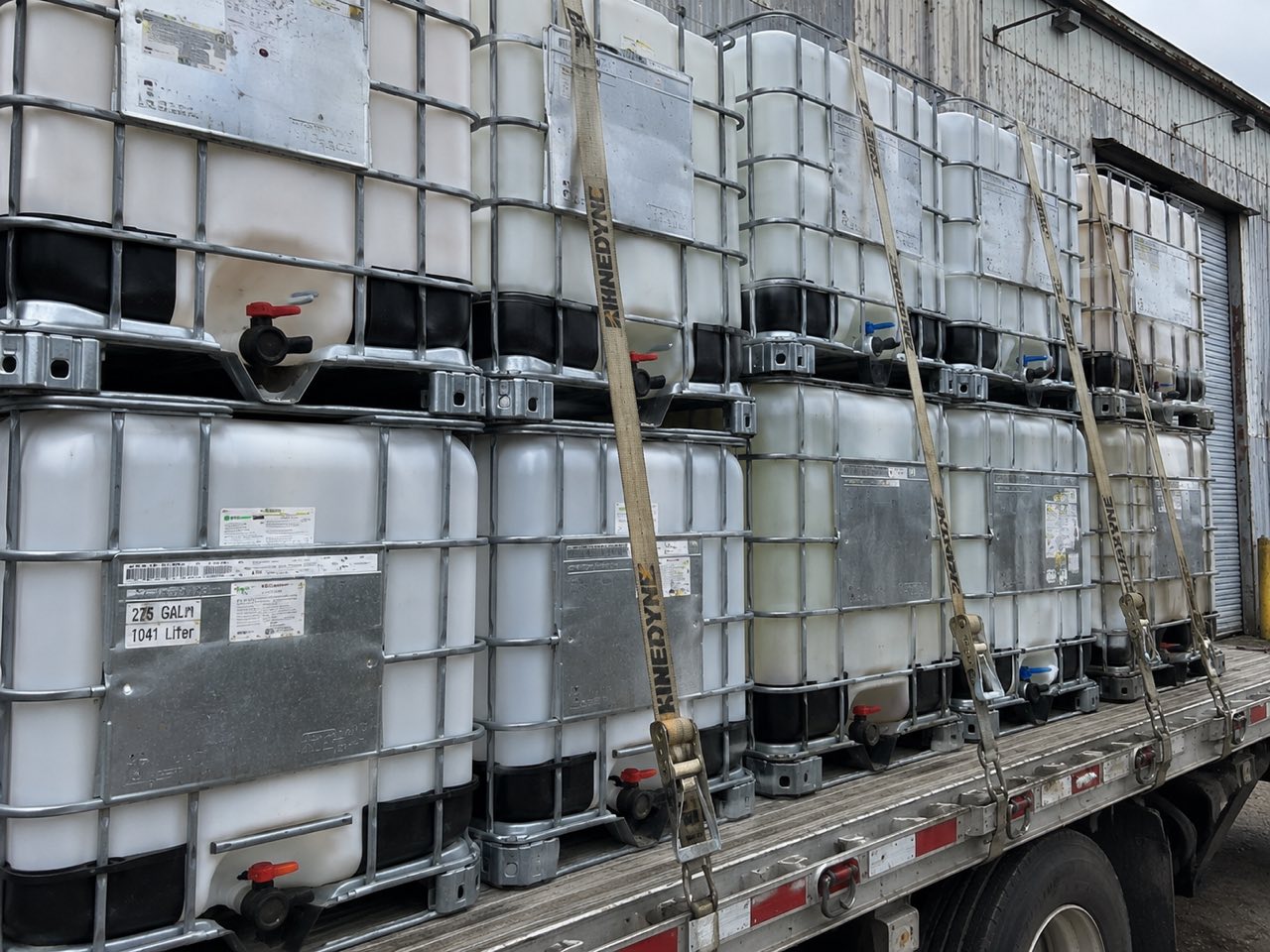
IBC totes delivered to Berkeley
Get a delivered price to Berkeley
Quantity, liquid and your postal code is enough. We confirm stock and freight before quoting, so the number you get is the number you pay.
We deliver used, reconditioned, rebottled and new IBC totes to Berkeley in 1–2 business days, with freight at $180. Berkeley is unusual in our customer mix: a lot of small-quantity, high-specification orders — a research group needing two food-grade totes with full documentation rather than a plant ordering forty. Our upcycled wicking planters also sell heavily here for school and community garden programmes.
Getting containers to Berkeley
30–50 minutes depending on the bridge. Route: Bay Bridge and up the 80, or the San Rafael bridge on a bad Bay Bridge day.
- Distance from the yard16 miles
- CountyAlameda County
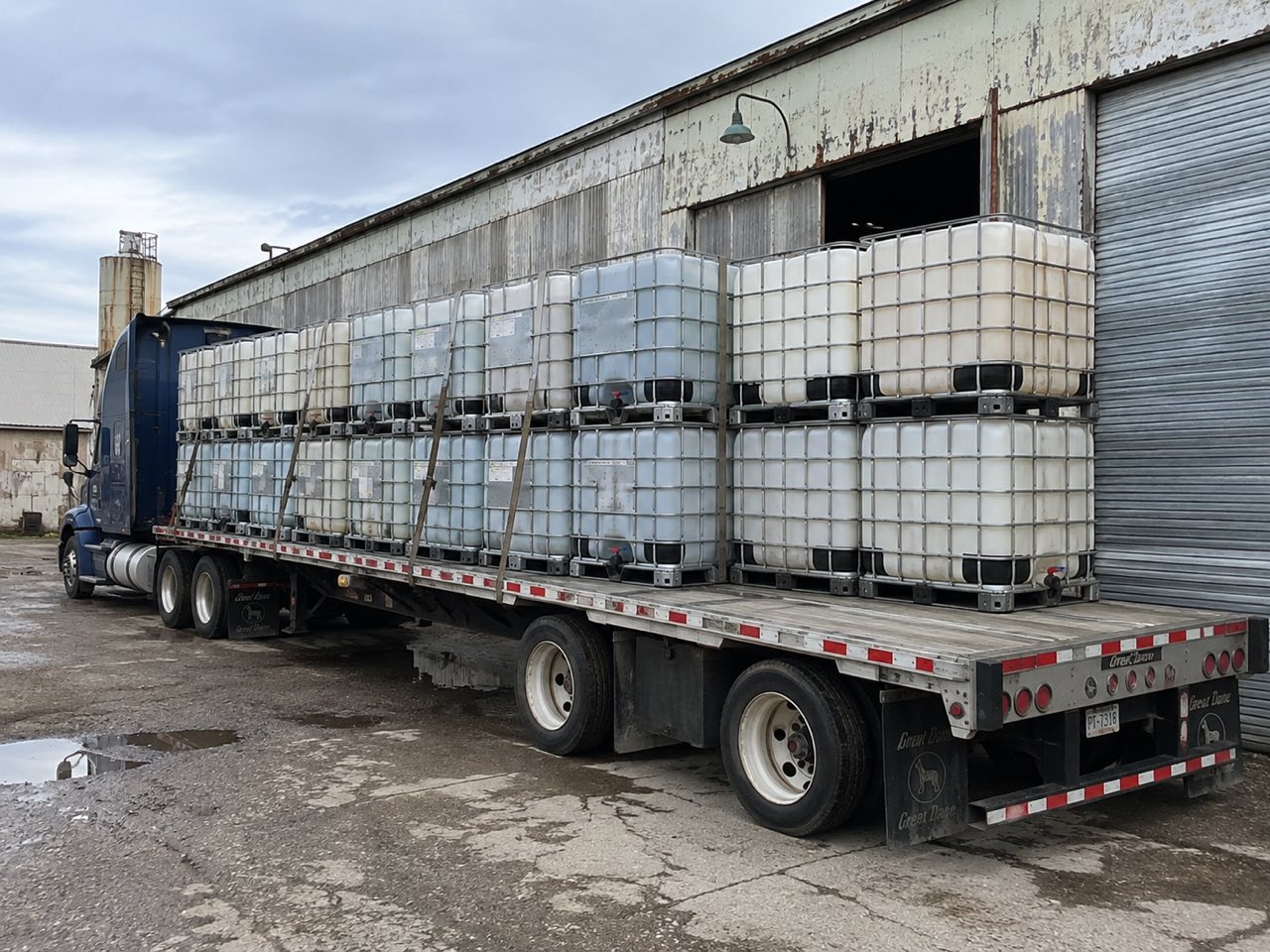
- MethodOwn flatbed
- Lead time1–2 business days
- Freight$180
- Typical drive time30–50 minutes depending on the bridge
- Liftgate service+$60, up to 4 totes at a time
- Collection of emptiesFree at 12+ units
- Will-call at the yardFree, Mon–Fri 7:00–4:30
- Expedite+$95 where stock is on the ground
Bay Bridge and up the 80, or the Richmond–San Rafael crossing on a bad Bay Bridge afternoon. West Berkeley off Gilman is where the industrial and research addresses cluster.
A meaningful share of Berkeley deliveries are residential or semi-residential — community gardens, school grounds, co-op houses. Those need a box truck with a liftgate and somebody on site who knows where the container is going.
Campus and research annex deliveries usually require a receiving contact and sometimes a loading-dock booking. We ask for both at quote time because retrieving a refused delivery from a campus dock is nobody's good day.
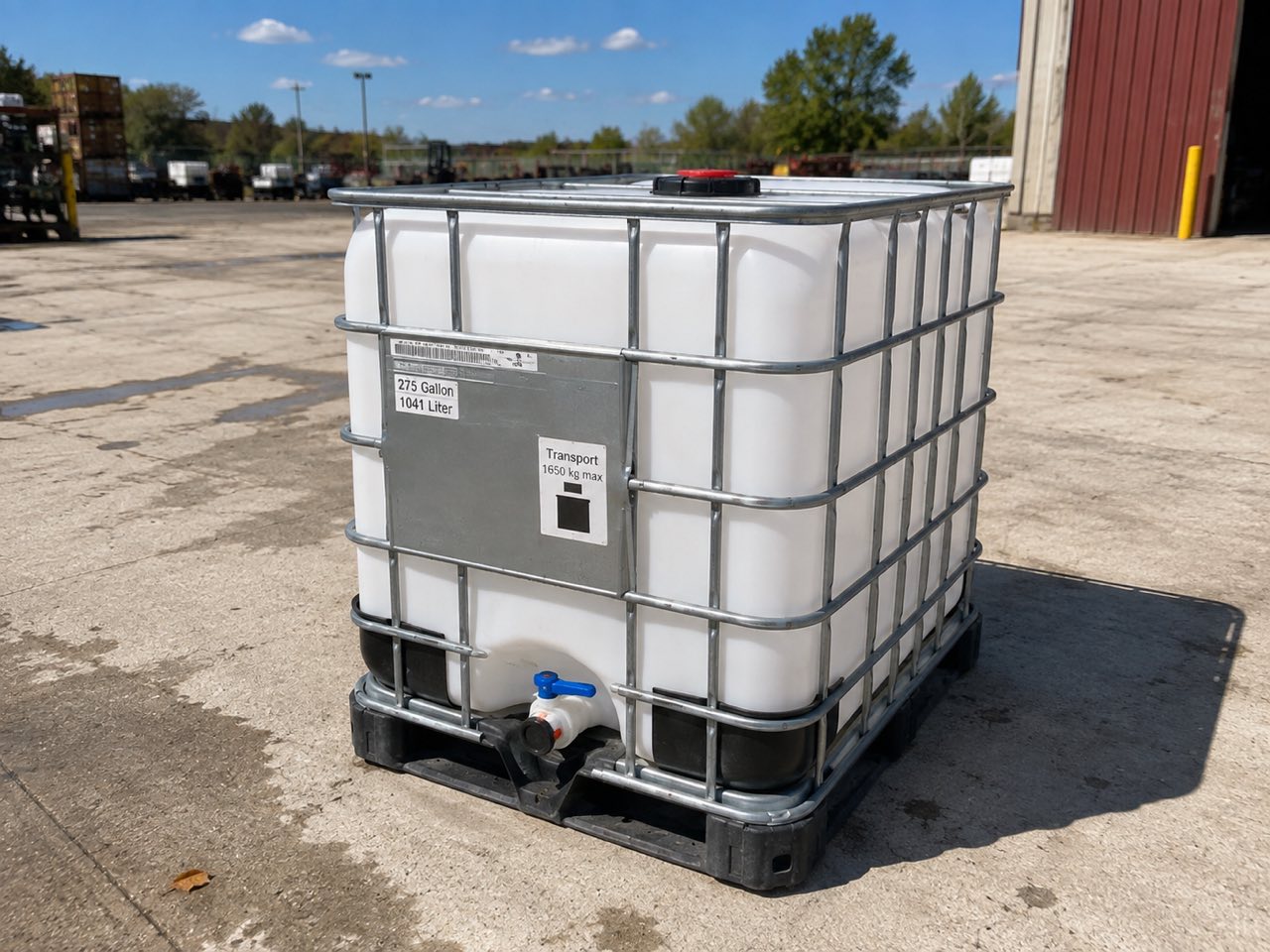
What our dispatcher checks for Berkeley
Written from the deliveries that went wrong, which is the only reliable source for this kind of list.
Small orders, high specification
Residential streets and tree canopy
Someone has to be there
Who buys containers in Berkeley
Share of our order book on this lane over the last twelve months, with what each sector actually orders.
| Sector | Share of lane | Usual grade | Typical order | What it is for |
|---|---|---|---|---|
| Research laboratories and university | 26% | Rebottled, new, Grade A food-safe | 2–8 units | Documentation is the deciding factor, not price |
| Community gardens and urban farms | 21% | Grade A food-safe, upcycled builds | 1–18 units | Wicking planters and rain capture dominate |
| Craft food and beverage producers | 17% | Grade A food-safe | 3–10 units | Ferments, sauces, small-batch brewing |
| Municipal green infrastructure | 14% | Grade A washed, custom fabrication | 4–20 units | Street tree watering, stormwater demonstration projects |
| Schools and educational programmes | 12% | Upcycled builds | 4–18 units | Wicking beds and aquaponics teaching rigs |
| Everything else | 10% | Mixed | 1–4 units | Makers, artists, small contractors |
Districts and postal codes on this lane
Areas we deliver into
Postal codes
Not listed? The lane still covers you — these are simply the codes that come up most often. Put your postal code in the form and we will confirm the freight before you commit.
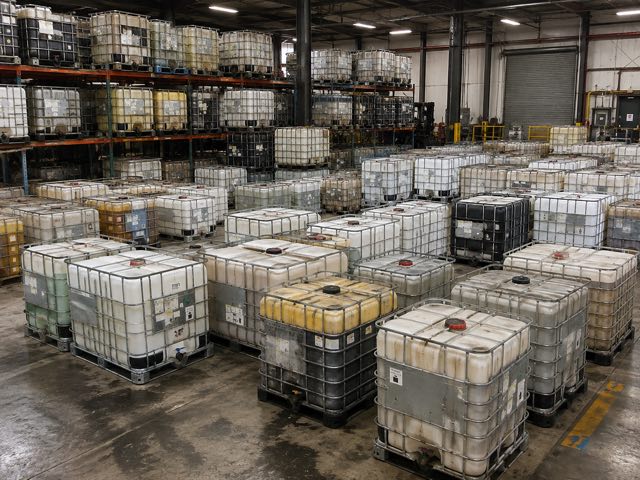
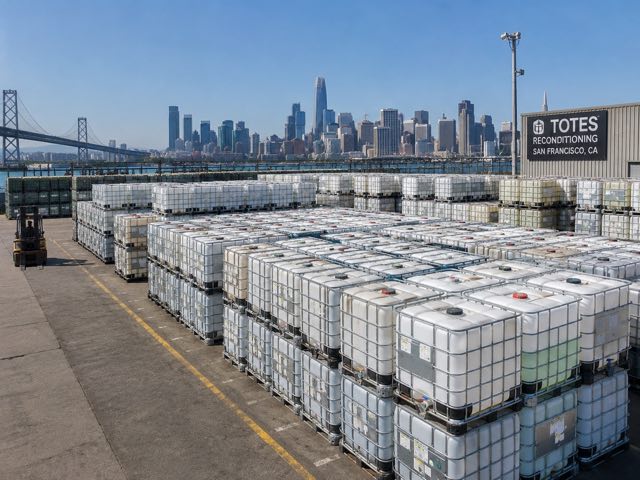
What we collect from Berkeley
Berkeley returns very few containers — under 400 a year — because the fleets here are small and long-lived. What does come back tends to be community-garden stock at end of life, and a good deal of it is repairable rather than scrap.
We take those at Grade C prices or, more often, swap them: bring us two tired planters and we will credit them against a replacement build. It keeps material in service and it is simpler than a purchase order for $60.
- Empties collected per year≈ 380
- Share repairable rather than scrap61%
- Typical lot size2–8 units
- Swap-for-credit arrangementsCommon
- Average price paid$30 – $62 per unit
How demand moves in Berkeley
Worth knowing before you plan a purchase. The quiet months are when reconditioning slots and leasing stock are easiest to get.
| Period | Demand | What is actually happening |
|---|---|---|
| January – March | High | Rain capture installs; school gardens prepare for spring |
| April – June | Peak | Planting season and end-of-school-year build projects |
| July – August | Low | Campus and schools quiet; the one genuinely slow window |
| September – December | Rising | Term restarts, harvest ferments, winter rain preparation |
Available in Berkeley
Everything in the yard is available on this lane. These are the four lines that move most often.
| Product | Grade | 275 gal price | Lead time to Berkeley | Documentation supplied |
|---|---|---|---|---|
| Reconditioned IBC totes | Grade A washed / B rinsed | $135 – $195 | 1–2 business days | Prior contents + grade record |
| Food-grade IBC totes | Grade A food-safe | $165 – $235 | 1–2 business days | Prior contents + wash certificate |
| Rebottled IBC totes | New bottle, reused cage | $195 – $260 | +2–4 days | Bottle certificate + cage record |
| New IBC totes | Virgin HDPE, new cage | $290 – $360 | +2–6 days | Manufacturer certificate |
| Cages, pallets and parts | Reclaimed, inspected | $28 – $85 | 1–2 business days | Condition note |
| Drums, 55 gallon | Reconditioned | $28 – $85 | 1–2 business days | Prior contents record |
Rules worth knowing in Alameda County
Not legal advice — just the things that come up most often on this lane, and what we do about them.
Berkeley single-use and materials ordinances
The city's waste ordinances are among the strictest in the state, and reuse documentation genuinely helps with compliance reporting. Our quarterly diversion statements are written to drop straight into that reporting.
School and food-growing containers
For anything a school will grow edible produce in, we supply only containers with a documented food-contact prior product, and that is stated on the invoice. We will not build a school planter from industrial stock at any price.
Rainwater on non-potable use only
Roof capture for irrigation needs no permit; plumbing harvested water to any indoor fixture does, and involves backflow prevention. Worth settling before you buy pipe.
Send the safety data sheet
What Berkeley uses containers for
Research laboratories
Community gardens and urban farms
Craft food producers
Municipal green infrastructure
IBC totes in Berkeley
How quickly can you deliver IBC totes to Berkeley?
1–2 business days. We run our own flatbeds to Berkeley, which is why the lead time is predictable rather than dependent on a carrier's schedule. Freight is $180. Requests landing before 10:00 AM during yard hours are quoted the same day.
Do you collect used IBC totes from Berkeley?
Yes. Twelve or more units earns free pickup, usually scheduled on the return leg of a delivery run — Berkeley is 16 miles from the yard, well inside our 250-mile collection radius. We pay $25–$95 per 275 gallon unit depending on condition and prior contents, in cash or as credit against your next order.
What grade of tote do most Berkeley customers buy?
Berkeley is unusual in our customer mix: a lot of small-quantity, high-specification orders — a research group needing two food-grade totes with full documentation rather than a plant ordering forty. Our upcycled wicking planters also sell heavily here for school and community garden programmes.
Can I collect from the yard instead of paying freight?
Yes, and for smaller orders from Berkeley it is often the sensible choice. Will-call pickup at 1450 Bancroft Ave, San Francisco, CA 94124 runs Monday to Friday 7:00 AM to 4:30 PM and Saturday mornings by appointment. Bring straps and remember that an empty 275 gallon tote weighs 125 lb.
We are a school garden with a small budget. What can you do?
Schools, community gardens and non-profits in the Bay Area get upcycled builds at cost plus fabrication labour — a half-tote wicking planter is $185 rather than a commercial equivalent at three times that. Mention the organisation in your request. We have built over four hundred of these and the design is published if you would rather build your own.
Can you supply documentation a university receiving department will accept?
Yes, and it is the most common Berkeley request. Every unit ships with a prior-contents record and, where applicable, a wash certificate tied to a unit number. We will send you sample formats before you raise the purchase order so your receiving team can confirm they are acceptable.
Is a used tote safe for growing vegetables?
If it held a single traceable food-contact product and was washed on a dedicated line, yes — and that is the only kind we sell for edible growing. Line the bed if you want belt and braces, use drip irrigation at soil level rather than overhead spray, and keep the container out of direct sun to prevent algal growth in the reservoir.
Other places on this run
We deliver to these towns on the same lane, usually on the same truck:
Cities with their own page