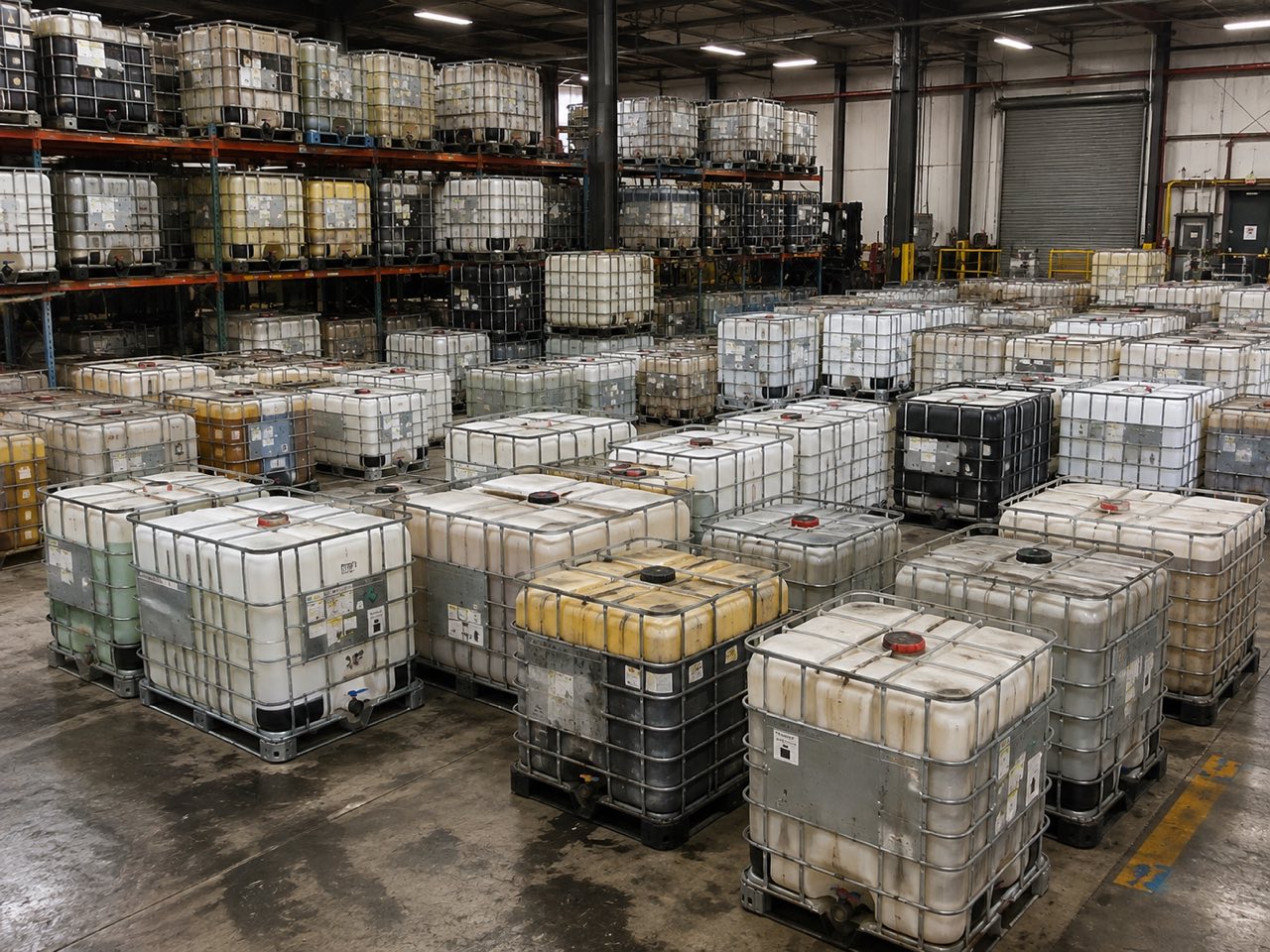
IBC totes delivered to Richmond
Get a delivered price to Richmond
Quantity, liquid and your postal code is enough. We confirm stock and freight before quoting, so the number you get is the number you pay.
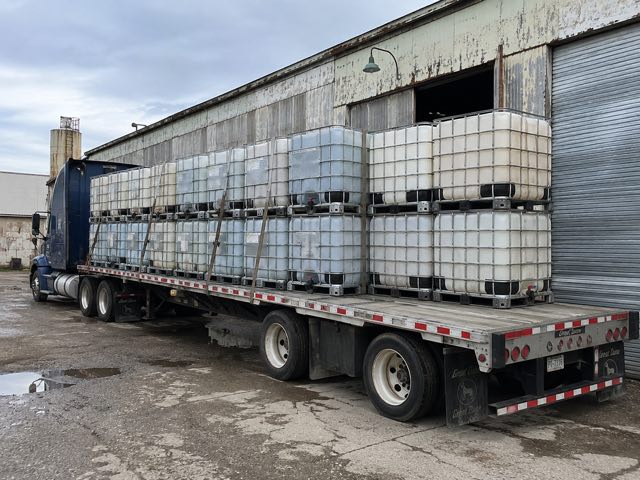
We deliver used, reconditioned, rebottled and new IBC totes to Richmond in 1–2 business days, with freight at $195. Richmond work skews toward regulated liquid, which means UN plate checks and periodic inspection records matter more here than almost anywhere else we deliver. We handle the inspection side in house, so a Richmond order often ships with a current test record attached.
Getting containers to Richmond
30–50 minutes via the 80 or the bridge. Route: Across the Richmond–San Rafael corridor or up the 80.
- Distance from the yard20 miles
- CountyContra Costa County
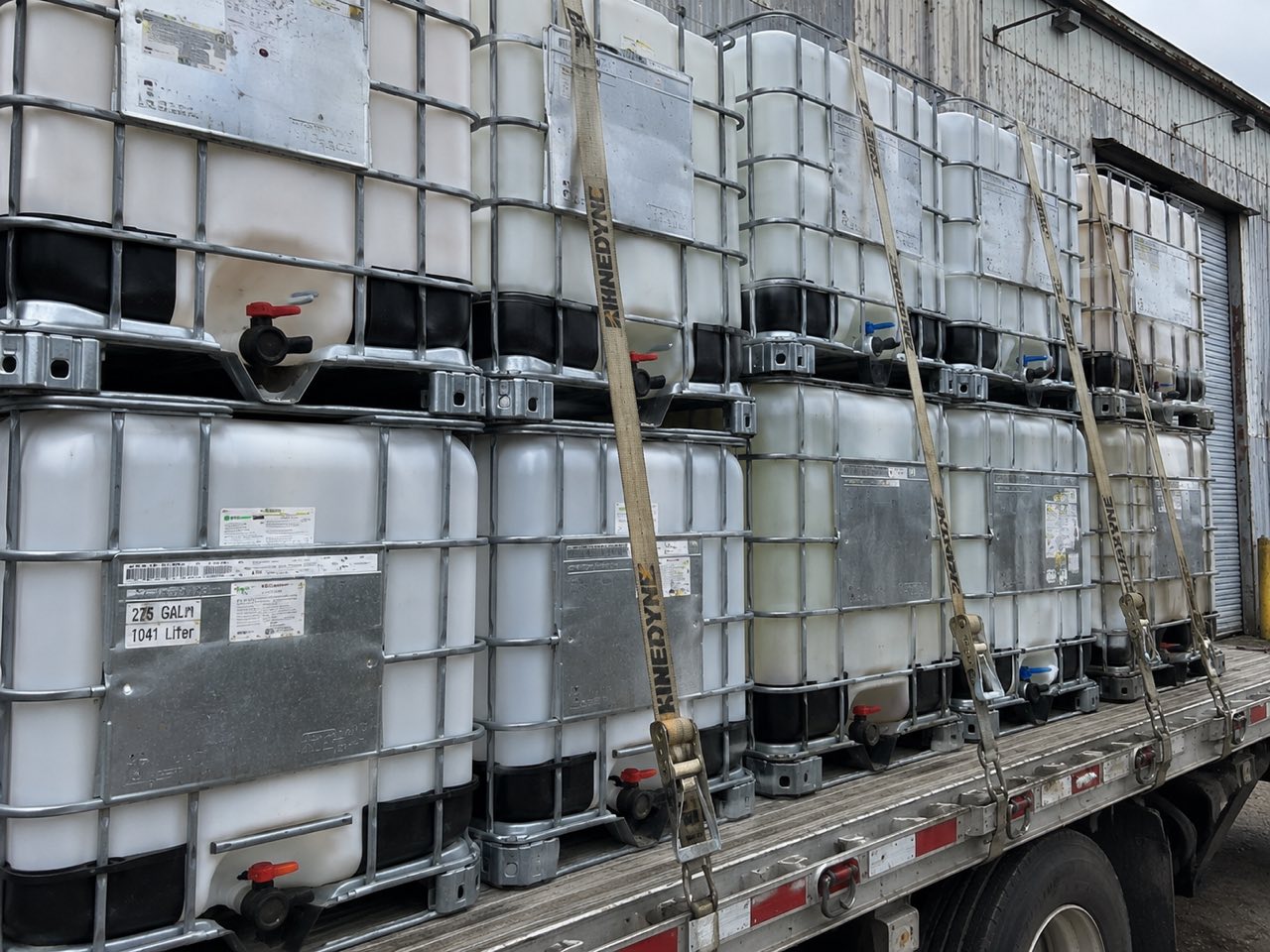
- MethodOwn flatbed
- Lead time1–2 business days
- Freight$195
- Typical drive time30–50 minutes via the 80 or the bridge
- Liftgate service+$60, up to 4 totes at a time
- Collection of emptiesFree at 12+ units
- Will-call at the yardFree, Mon–Fri 7:00–4:30
- Expedite+$95 where stock is on the ground
Up the 80 through Berkeley and Albany, or across the Richmond–San Rafael bridge when we are combining with a North Bay run. The industrial waterfront is the destination for most orders.
Refinery-adjacent addresses have their own gate procedures and often require driver credentials arranged in advance. Give us a week for a first delivery to a secured site.
Richmond is our most regulated lane. A higher share of containers here carry UN plates and move regulated liquid, which changes both the paperwork and the price.
What our dispatcher checks for Richmond
Written from the deliveries that went wrong, which is the only reliable source for this kind of list.
Plate condition matters more here
Site inductions
Combined with North Bay runs
Who buys containers in Richmond
Share of our order book on this lane over the last twelve months, with what each sector actually orders.
| Sector | Share of lane | Usual grade | Typical order | What it is for |
|---|---|---|---|---|
| Refining and petrochemical services | 28% | New, rebottled, UN-rated | 10–40 units | Regulated service; certification records required |
| Specialty chemicals | 22% | Grade A washed industrial | 12–36 units | Compatibility checked against SDS every time |
| Marine and port services | 16% | Grade B and C | 6–20 units | Bilge handling, wash water, spill response |
| Environmental and remediation | 14% | Grade A washed, new | 8–30 units | Sampling, staging, treatment chemistry |
| Community agriculture and food | 11% | Grade A food-safe, upcycled builds | 2–18 units | North Richmond urban farming programmes |
| Everything else | 9% | Mixed | 2–8 units | Trades, small manufacturers, schools |
Districts and postal codes on this lane
Areas we deliver into
Postal codes
Not listed? The lane still covers you — these are simply the codes that come up most often. Put your postal code in the form and we will confirm the freight before you commit.
What we collect from Richmond
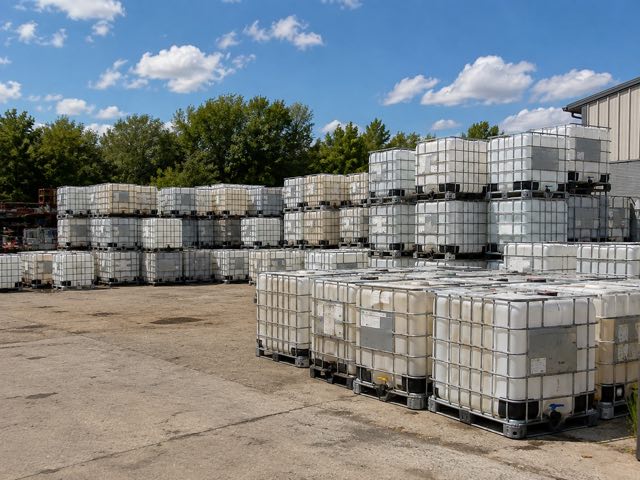
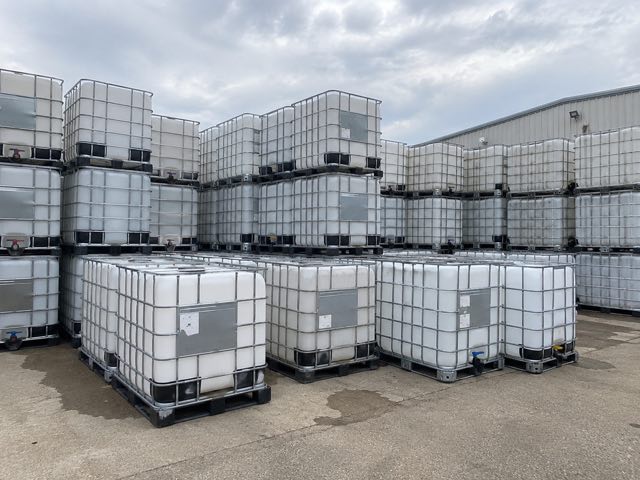
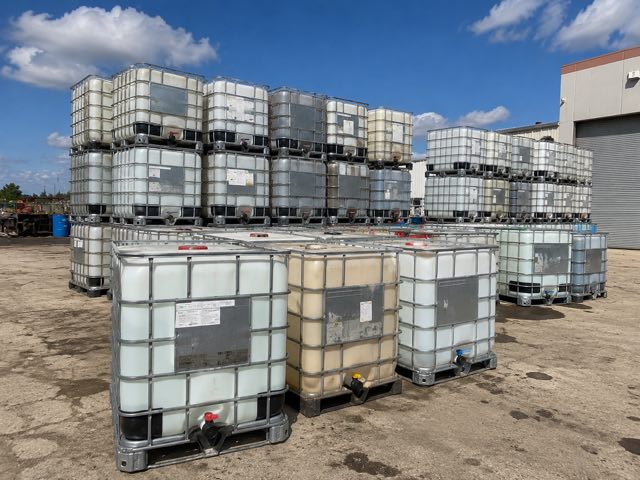
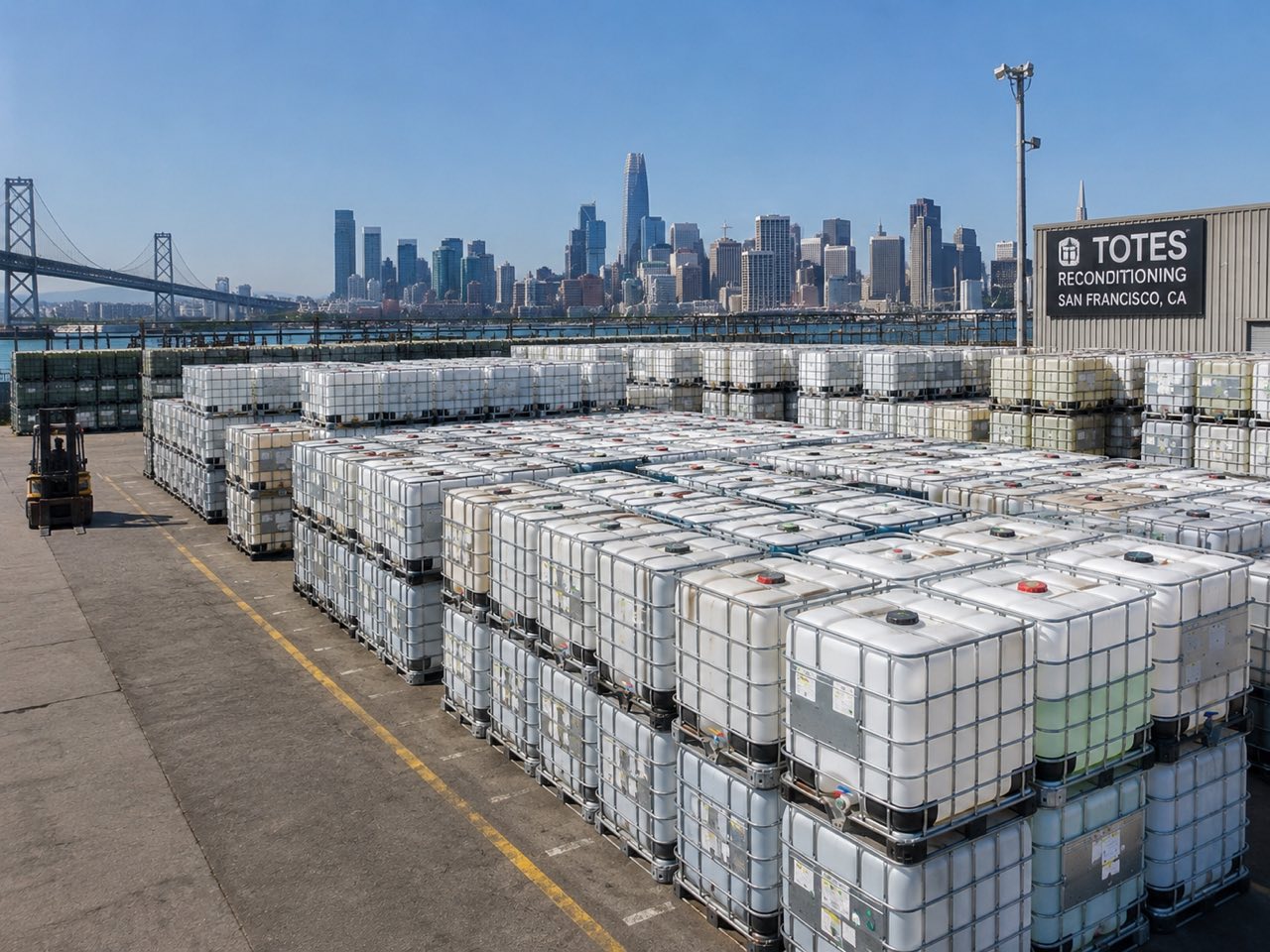
Richmond produces a smaller number of containers than Hayward but a higher share of them are UN-plated and were in regulated service. Those need a proper empty-container determination before they move, and we make it in writing.
Containers coming out of regulated service that still carry current test dates are worth more to us than their condition alone would suggest, because they can go straight back into rated duty after a wash and an inspection.
- Empties collected per year≈ 3,200
- Share carrying a legible UN plate71%
- Share needing a formal RCRA determination34%
- Inspection performed on siteFleets of 20+
- Average price paid$50 – $92 per unit
How demand moves in Richmond
Worth knowing before you plan a purchase. The quiet months are when reconditioning slots and leasing stock are easiest to get.
| Period | Demand | What is actually happening |
|---|---|---|
| January – March | Steady | Turnaround planning begins; inspection bookings rise |
| April – June | Peak | Spring turnaround season drives container demand |
| July – September | Steady | Routine operations; community agriculture peaks |
| October – December | Rising | Autumn turnarounds and year-end compliance work |
Available in Richmond
Everything in the yard is available on this lane. These are the four lines that move most often.
| Product | Grade | 275 gal price | Lead time to Richmond | Documentation supplied |
|---|---|---|---|---|
| Reconditioned IBC totes | Grade A washed / B rinsed | $135 – $195 | 1–2 business days | Prior contents + grade record |
| Food-grade IBC totes | Grade A food-safe | $165 – $235 | 1–2 business days | Prior contents + wash certificate |
| Rebottled IBC totes | New bottle, reused cage | $195 – $260 | +2–4 days | Bottle certificate + cage record |
| New IBC totes | Virgin HDPE, new cage | $290 – $360 | +2–6 days | Manufacturer certificate |
| Cages, pallets and parts | Reclaimed, inspected | $28 – $85 | 1–2 business days | Condition note |
| Drums, 55 gallon | Reconditioned | $28 – $85 | 1–2 business days | Prior contents record |
Rules worth knowing in Contra Costa County
Not legal advice — just the things that come up most often on this lane, and what we do about them.
UN/DOT periodic testing
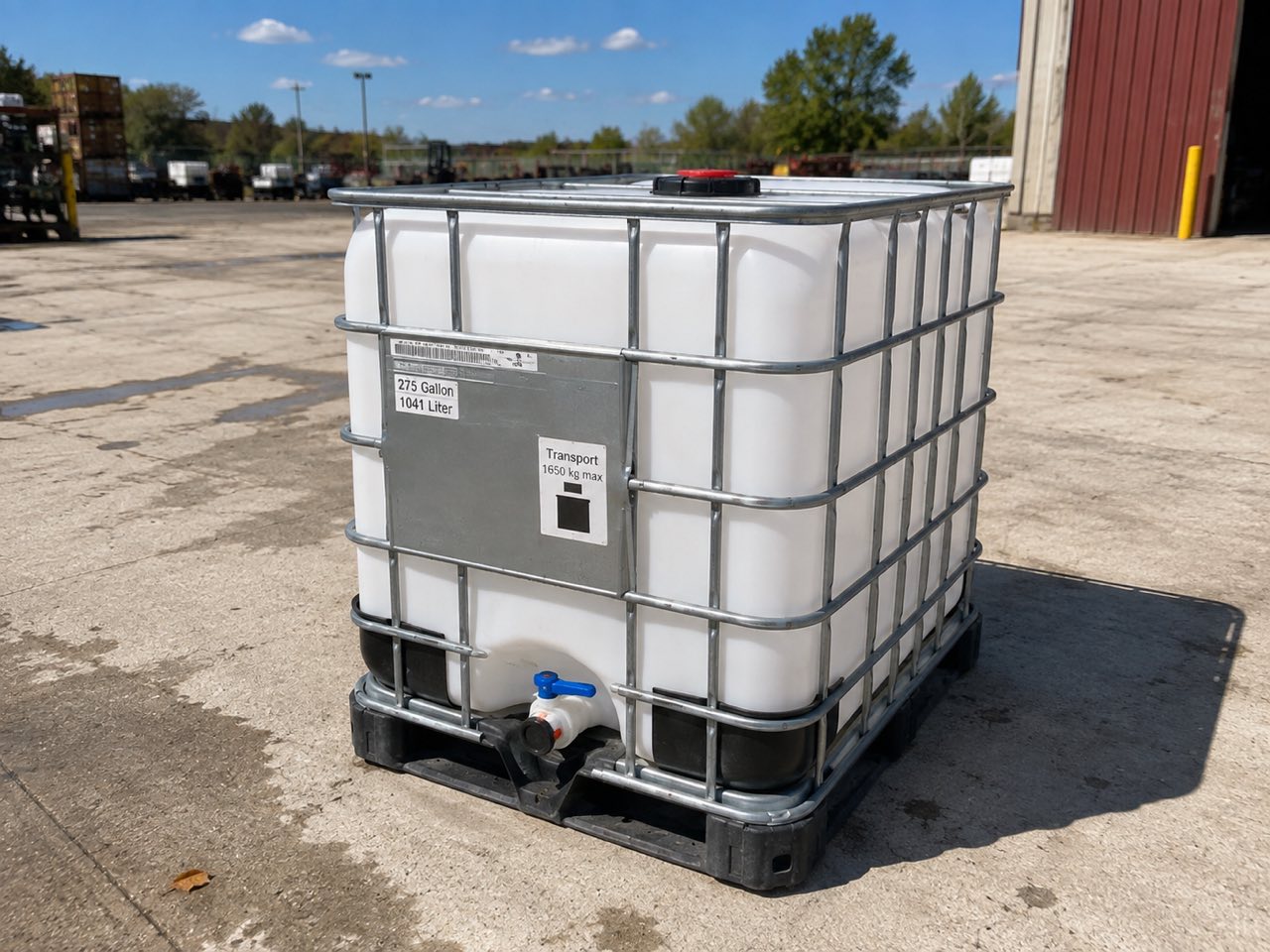
Composite IBCs in regulated liquid service need a leak test every 2.5 years and a full inspection every 5, under 49 CFR 178.813. We perform both at $38 per unit and will come to you for fleets of twenty or more.
Contra Costa County CUPA
One of the more rigorous programmes in the state, for obvious reasons. Empty-container determinations and manifest handling are routine here and we are set up for both.
Bay Area air district rules
Vapour handling and transfer requirements can apply to what goes in the container as well as the container itself. Worth checking before you plan an open transfer.
Send the safety data sheet
What Richmond uses containers for
Refining and petrochemical services
Specialty chemicals
Marine and port services
Community agriculture
IBC totes in Richmond
How quickly can you deliver IBC totes to Richmond?
1–2 business days. We run our own flatbeds to Richmond, which is why the lead time is predictable rather than dependent on a carrier's schedule. Freight is $195. Requests landing before 10:00 AM during yard hours are quoted the same day.
Do you collect used IBC totes from Richmond?
Yes. Twelve or more units earns free pickup, usually scheduled on the return leg of a delivery run — Richmond is 20 miles from the yard, well inside our 250-mile collection radius. We pay $25–$95 per 275 gallon unit depending on condition and prior contents, in cash or as credit against your next order.
What grade of tote do most Richmond customers buy?
Richmond work skews toward regulated liquid, which means UN plate checks and periodic inspection records matter more here than almost anywhere else we deliver. We handle the inspection side in house, so a Richmond order often ships with a current test record attached.
Can I collect from the yard instead of paying freight?
Yes, and for smaller orders from Richmond it is often the sensible choice. Will-call pickup at 1450 Bancroft Ave, San Francisco, CA 94124 runs Monday to Friday 7:00 AM to 4:30 PM and Saturday mornings by appointment. Bring straps and remember that an empty 275 gallon tote weighs 125 lb.
Can you inspect our fleet on site rather than shipping it to you?
For twenty or more units within the Bay Area, yes. We bring the gauge, the paperwork and the inspector to you, which saves two freight legs. Below twenty it is cheaper to send the containers here, and we can combine the inspection with a wash in the same visit.
Our containers held a regulated product. Can you still take them?
Usually yes. The container must be properly emptied under 40 CFR 261.7, and depending on the material there may be manifest requirements. Send the prior product name and the safety data sheet and we will give you the written determination before anything is booked. We are a registered California hazardous waste transporter for the cases that need one.
How do we know a used container is still road-legal?
Read the plate. The design type, packing group and manufacture date are marked, and the periodic test dates are marked separately — those are the ones that expire. The clock runs from manufacture, not from purchase, so a container bought last month may have eighteen months left on a five-year cycle or none at all.
Other places on this run
We deliver to these towns on the same lane, usually on the same truck:
Cities with their own page