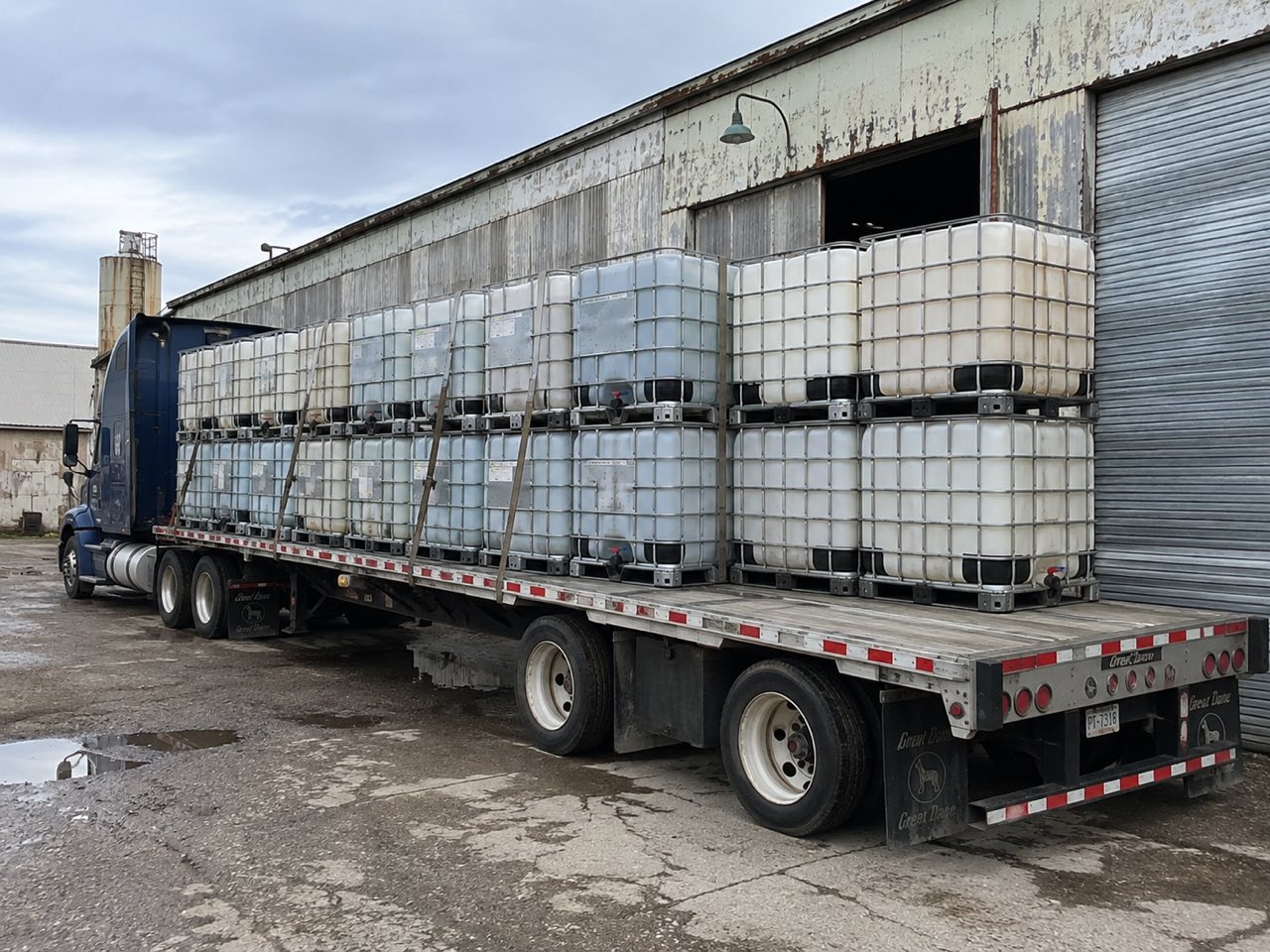
IBC totes delivered to Fremont
Get a delivered price to Fremont
Quantity, liquid and your postal code is enough. We confirm stock and freight before quoting, so the number you get is the number you pay.
We deliver used, reconditioned, rebottled and new IBC totes to Fremont in 2–3 business days, with freight at $240. Heavy on toll reconditioning rather than outright purchase — Fremont manufacturers tend to own asset-tagged fleets and want their own containers back washed and tested rather than swapped. We run a weekly collection loop that makes that economic.
Getting containers to Fremont
40–70 minutes down the 880. Route: Down the 880 through the East Bay industrial corridor.
- Distance from the yard33 miles
- CountyAlameda County
- MethodOwn flatbed, weekly run
- Lead time2–3 business days
- Freight$240
- Typical drive time40–70 minutes down the 880
- Liftgate service+$60, up to 4 totes at a time
- Collection of emptiesFree at 12+ units
- Will-call at the yardFree, Mon–Fri 7:00–4:30
- Expedite+$95 where stock is on the ground
Down the 880 through the East Bay industrial corridor, usually combined with a Hayward or Union City drop on the same run. The 880 is reliable outside the peak and miserable inside it, so Fremont deliveries leave early.
Warm Springs and the Bayside industrial area hold most of the addresses. Docks there are modern and well equipped; the constraint is almost never access.
The weekly collection loop is what makes this lane work. Fremont manufacturers tend to own their fleets, so the same truck delivers washed containers and collects dirty ones.
What our dispatcher checks for Fremont
Written from the deliveries that went wrong, which is the only reliable source for this kind of list.
Fleets, not one-off purchases
Asset tags survive the wash
Combined runs save real money
Who buys containers in Fremont
Share of our order book on this lane over the last twelve months, with what each sector actually orders.
| Sector | Share of lane | Usual grade | Typical order | What it is for |
|---|---|---|---|---|
| Advanced manufacturing | 25% | Grade A washed, toll reconditioning | 20–60 units | Owned fleets on standing rotations |
| Automotive and battery supply chain | 21% | Grade A washed, rebottled | 12–40 units | Electrolyte precursors, coolants, process chemistry |
| Food processing | 17% | Grade A food-safe | 10–30 units | Ingredient intake and intermediate storage |
| Warehousing and 3PL | 15% | Grade B and C | 8–24 units | Spill response, wash water, ballast |
| Chemical blending | 12% | Grade A washed industrial | 12–36 units | Compatibility checked against the SDS every time |
| Everything else | 10% | Mixed | 2–8 units | Landscaping, community projects, small trades |
Districts and postal codes on this lane
Areas we deliver into
Postal codes
Not listed? The lane still covers you — these are simply the codes that come up most often. Put your postal code in the form and we will confirm the freight before you commit.
What we collect from Fremont
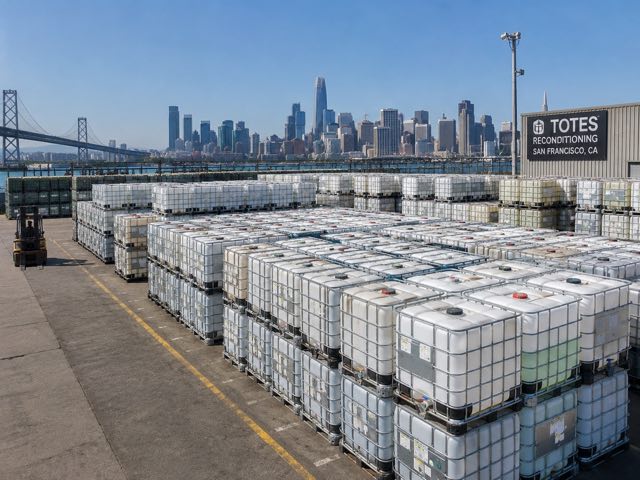
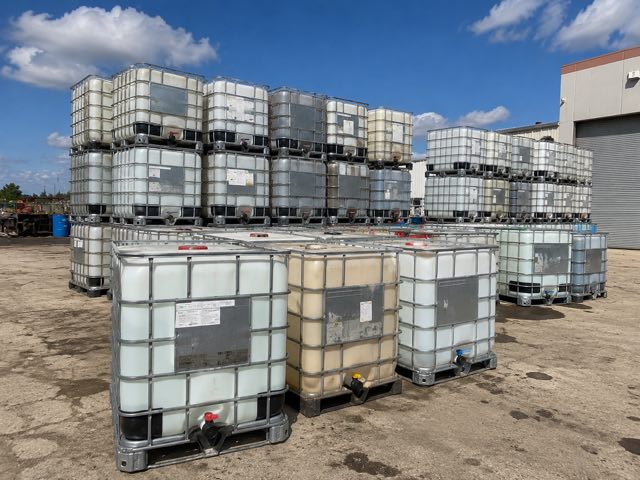
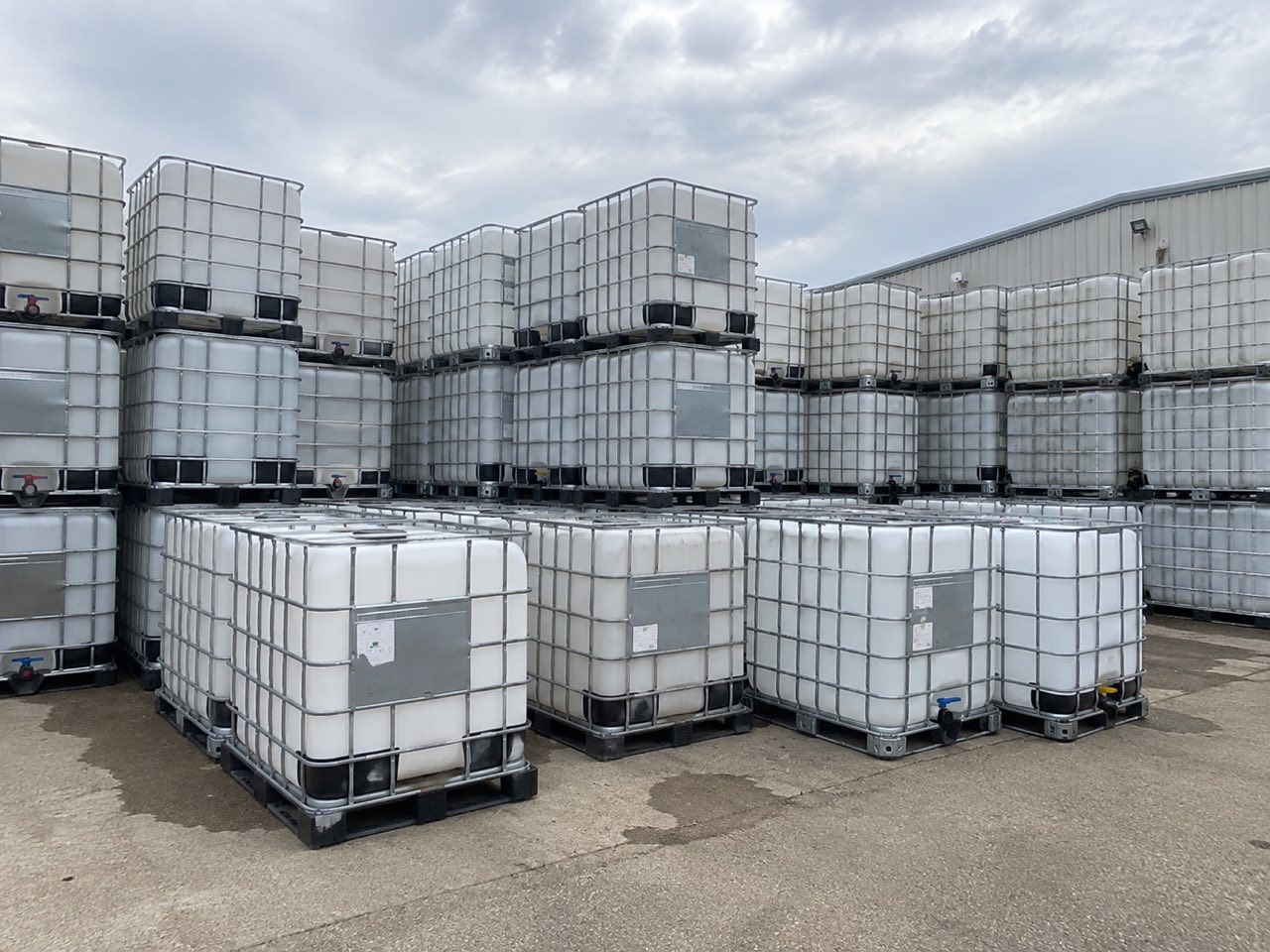
Fremont is a toll market more than a purchase market. Roughly half of what our truck carries out of the city is customer-owned stock heading for a wash, not empties we bought.
Where we do buy, it is usually a fleet being retired at end of programme — twenty to eighty units at once, well documented, often with several years of service life left. Those are the lots we most want, and we will schedule a dedicated trip for anything over forty.
- Containers handled per year≈ 5,600
- Share that is toll work52%
- Typical fleet retirement lot20–80 units
- Scheduled loopWeekly, combined with Hayward
- Average price paid$44 – $78 per unit
How demand moves in Fremont
Worth knowing before you plan a purchase. The quiet months are when reconditioning slots and leasing stock are easiest to get.
| Period | Demand | What is actually happening |
|---|---|---|
| January – March | Steady | Manufacturing volumes are largely aseasonal |
| April – June | Rising | Fleet reconditioning bookings cluster before summer |
| July – September | Peak | Shutdown periods are when fleets come in for washing |
| October – December | Steady | Year-end asset reviews generate retirement lots |
Available in Fremont
Everything in the yard is available on this lane. These are the four lines that move most often.
| Product | Grade | 275 gal price | Lead time to Fremont | Documentation supplied |
|---|---|---|---|---|
| Reconditioned IBC totes | Grade A washed / B rinsed | $135 – $195 | 2–3 business days | Prior contents + grade record |
| Food-grade IBC totes | Grade A food-safe | $165 – $235 | 2–3 business days | Prior contents + wash certificate |
| Rebottled IBC totes | New bottle, reused cage | $195 – $260 | +2–4 days | Bottle certificate + cage record |
| New IBC totes | Virgin HDPE, new cage | $290 – $360 | +2–6 days | Manufacturer certificate |
| Cages, pallets and parts | Reclaimed, inspected | $28 – $85 | 2–3 business days | Condition note |
| Drums, 55 gallon | Reconditioned | $28 – $85 | 2–3 business days | Prior contents record |
Rules worth knowing in Alameda County
Not legal advice — just the things that come up most often on this lane, and what we do about them.
Alameda County CUPA
Hazardous materials business plans and empty-container determinations are actively reviewed here. We provide the written determination before collection as standard.
Battery and electrolyte chemistry
Some of the newer chemistry in this corridor is genuinely aggressive toward HDPE and toward EPDM. We will not quote without the safety data sheet, and occasionally we will tell you a tote is the wrong container entirely.
Stormwater and wash-down
Industrial general permit coverage makes on-site washing a documentation burden. Toll washing moves that burden to us and comes with a certificate.
Send the safety data sheet
What Fremont uses containers for
Advanced manufacturing
Automotive and battery supply chain
Food processing
Warehousing and 3PL
IBC totes in Fremont
How quickly can you deliver IBC totes to Fremont?
2–3 business days. We run our own flatbeds to Fremont, which is why the lead time is predictable rather than dependent on a carrier's schedule. Freight is $240. Requests landing before 10:00 AM during yard hours are quoted the same day.
Do you collect used IBC totes from Fremont?
Yes. Twelve or more units earns free pickup, usually scheduled on the return leg of a delivery run — Fremont is 33 miles from the yard, well inside our 250-mile collection radius. We pay $25–$95 per 275 gallon unit depending on condition and prior contents, in cash or as credit against your next order.
What grade of tote do most Fremont customers buy?
Heavy on toll reconditioning rather than outright purchase — Fremont manufacturers tend to own asset-tagged fleets and want their own containers back washed and tested rather than swapped. We run a weekly collection loop that makes that economic.
Can I collect from the yard instead of paying freight?
Yes, and for smaller orders from Fremont it is often the sensible choice. Will-call pickup at 1450 Bancroft Ave, San Francisco, CA 94124 runs Monday to Friday 7:00 AM to 4:30 PM and Saturday mornings by appointment. Bring straps and remember that an empty 275 gallon tote weighs 125 lb.
What does a standing reconditioning rotation actually cost?
For a forty-unit fleet on a monthly cycle: $48 per unit for an industrial wash, $14 per unit for the round trip, so roughly $2,480 a month with twenty units in service and twenty in circulation at any time. Against replacing damaged containers at $135–$165 each, most fleets pay for the rotation on avoided replacements alone.
Do we get our own containers back?
Yes. Toll reconditioning logs every unit against your asset number at intake and returns those specific containers. If you would rather have a same-day swap out of our stock we can do that too, but it is a different service and the containers will not be yours.
We are retiring a fleet of sixty. Will you take them?
Very likely, and we will schedule a dedicated trip for a lot that size. Send photographs of a representative plate and label plus the count, and you will get a firm written price within a business day. Sixty units of documented industrial stock typically prices between $2,600 and $4,600 depending on condition.
Other places on this run
We deliver to these towns on the same lane, usually on the same truck:
Cities with their own page