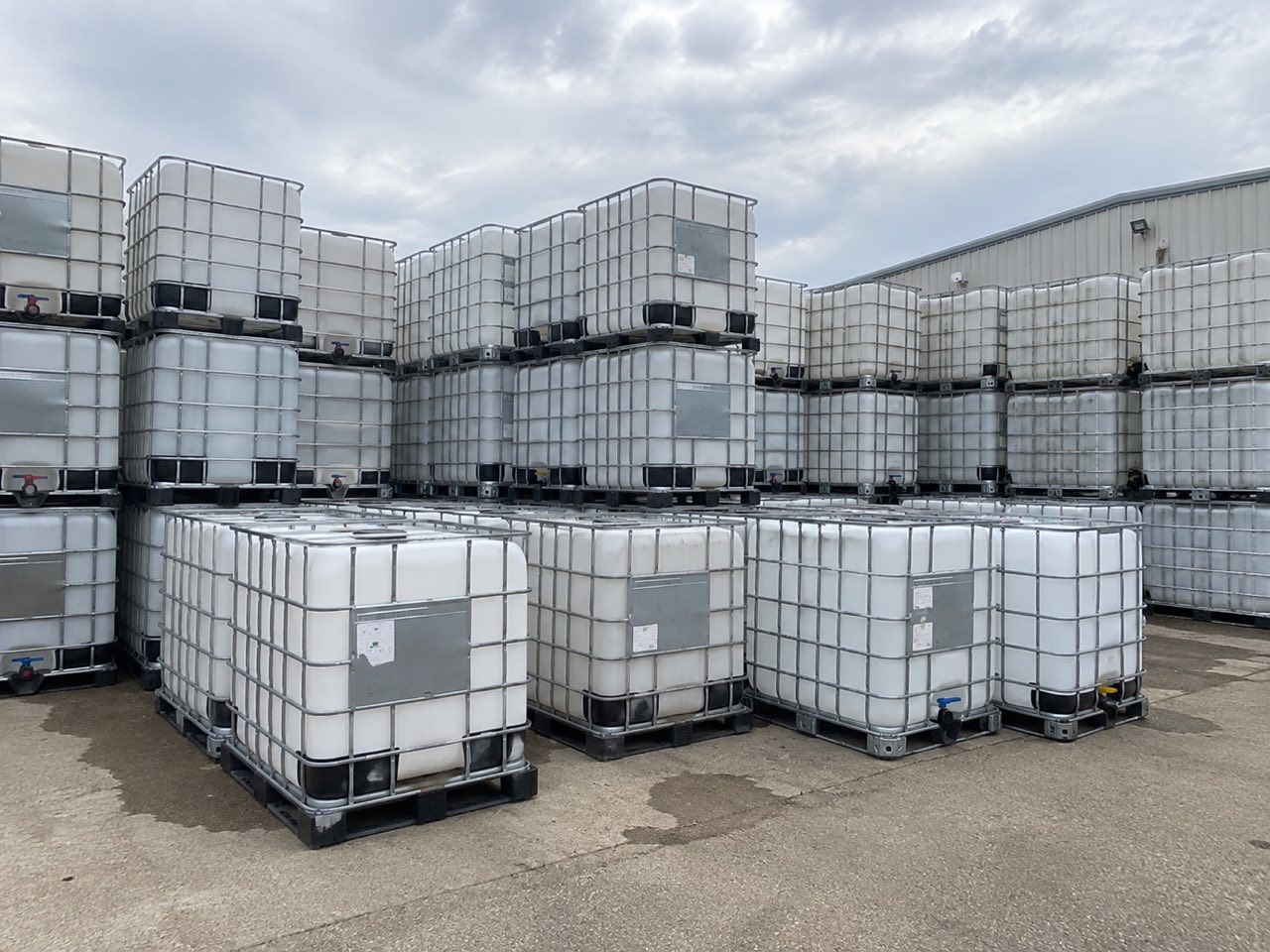
IBC totes delivered to Santa Rosa
Get a delivered price to Santa Rosa
Quantity, liquid and your postal code is enough. We confirm stock and freight before quoting, so the number you get is the number you pay.
We deliver used, reconditioned, rebottled and new IBC totes to Santa Rosa in 2–4 business days, with freight at $300. Sonoma County rainfall is roughly 50% higher than San Francisco, which makes rainwater harvesting genuinely productive here rather than merely worthwhile. Linked tote arrays on bunded frames are a common fabrication job for Santa Rosa properties.
Getting containers to Santa Rosa
85–120 minutes north on the 101. Route: North on the 101 through Marin.
- Distance from the yard58 miles
- CountySonoma County
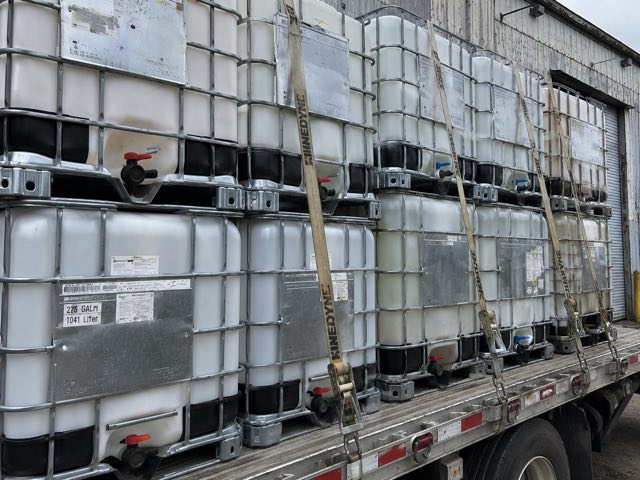
- MethodOwn flatbed, weekly run
- Lead time2–4 business days
- Freight$300
- Typical drive time85–120 minutes north on the 101
- Liftgate service+$60, up to 4 totes at a time
- Collection of emptiesFree at 12+ units
- Will-call at the yardFree, Mon–Fri 7:00–4:30
- Expedite+$95 where stock is on the ground
North on the 101 through Marin. It is a long run and the traffic is unforgiving between 15:00 and 18:00, so Sonoma deliveries leave early and we plan them as a corridor rather than as individual drops.
Sonoma County rainfall is roughly 50% higher than San Francisco's, which makes rainwater harvesting genuinely productive here rather than merely worthwhile. Linked tote arrays on bunded frames are a standard fabrication job for this lane.
The Russian River and Dry Creek valleys have narrow roads and a lot of gravel drives. Assume a box truck for anything off the main routes.
What our dispatcher checks for Santa Rosa
Written from the deliveries that went wrong, which is the only reliable source for this kind of list.
It is a corridor, not a city
Gravel drives and box trucks
Fire season access
Who buys containers in Santa Rosa
Share of our order book on this lane over the last twelve months, with what each sector actually orders.
| Sector | Share of lane | Usual grade | Typical order | What it is for |
|---|---|---|---|---|
| Wineries and cideries | 34% | Grade A food-safe, leased | 15–50 units | Crush and cider pressing, overlapping seasons |
| Craft brewing | 18% | Grade A food-safe, Grade A washed | 8–24 units | Cleaning loops and finished-product holding |
| Dairy and creamery | 14% | Grade A food-safe, rebottled | 6–18 units | We decline more dairy-history containers than we accept |
| Nursery and horticulture | 13% | Grade B, rainwater kits | 6–30 units | Irrigation, liquid feed, rain capture arrays |
| Rainwater harvesting | 12% | Grade A food-safe kits | 2–12 units | The most productive rainfall in our service area |
| Everything else | 9% | Mixed | 1–8 units | Trades, community farms, fire recovery projects |
Districts and postal codes on this lane
Areas we deliver into
Postal codes
Not listed? The lane still covers you — these are simply the codes that come up most often. Put your postal code in the form and we will confirm the freight before you commit.
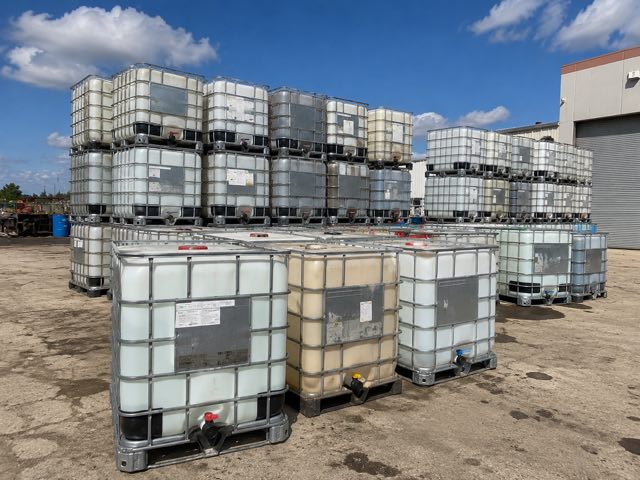
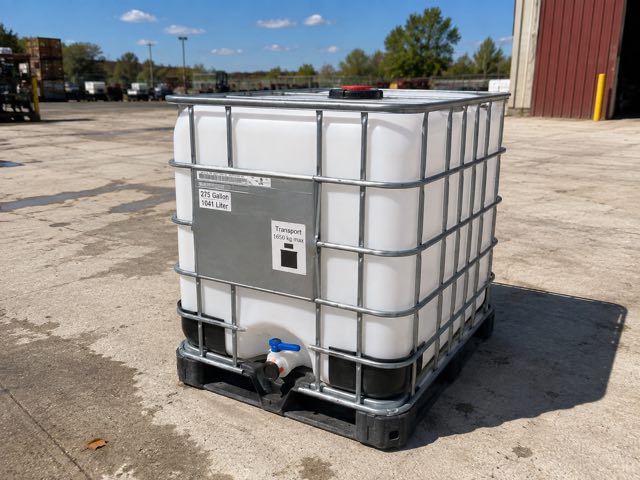
What we collect from Santa Rosa
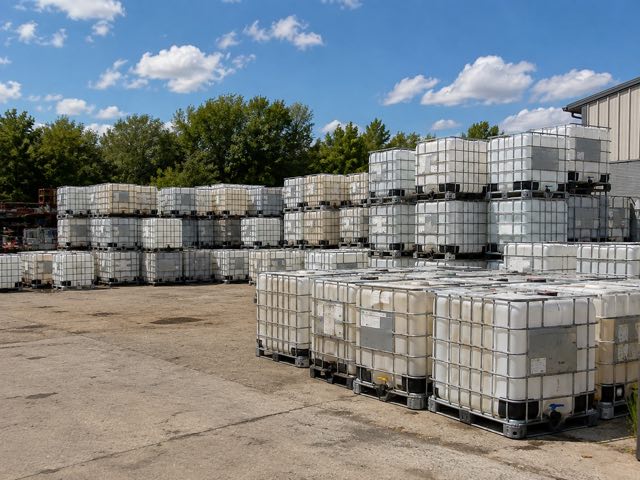
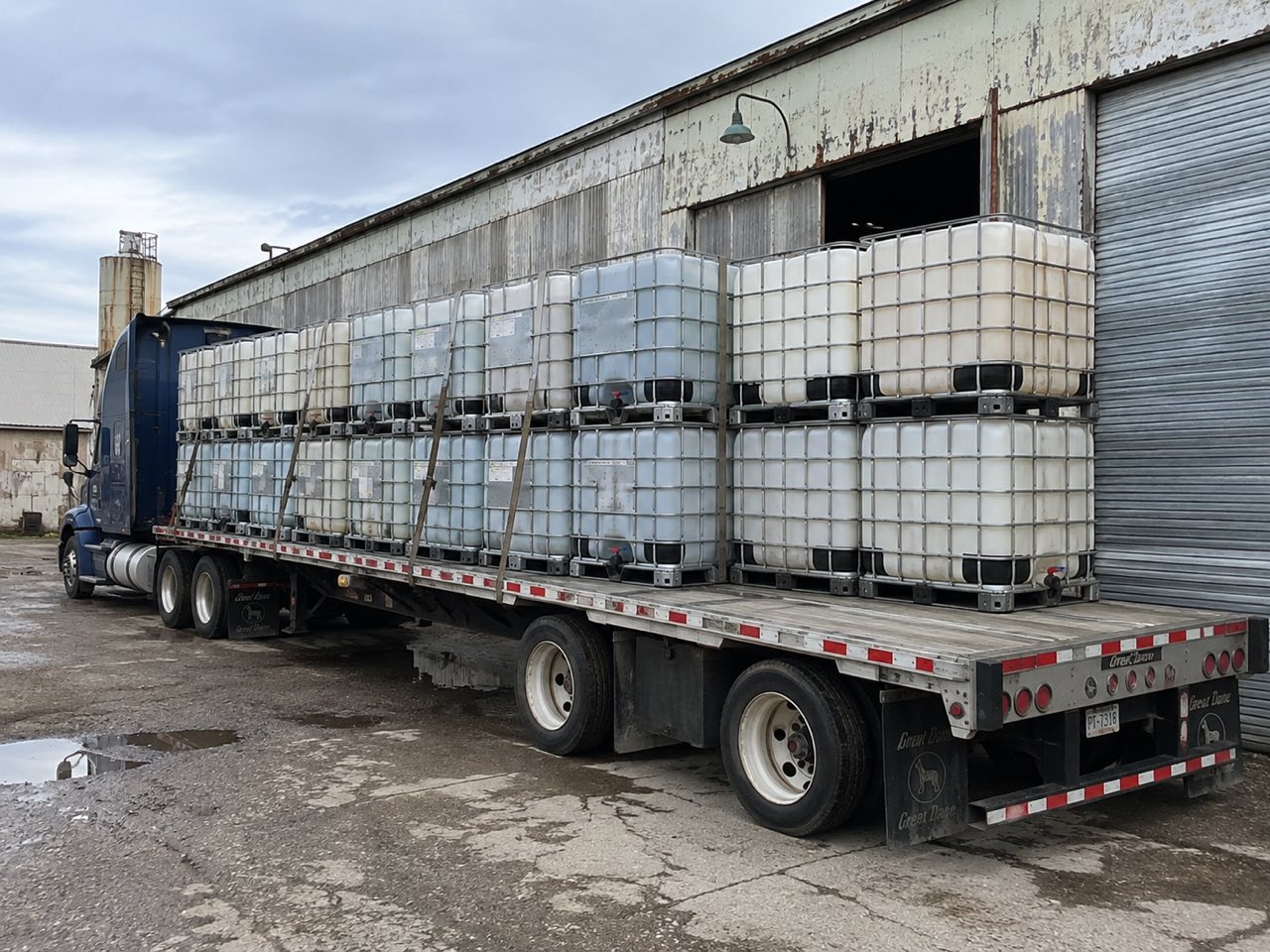
Sonoma intake follows the same autumn pattern as Napa but with a longer tail, because cider and dairy run later than grape.
The quality is mixed. Rural storage means more UV damage and more base-ring corrosion from containers standing on soil rather than gravel. We buy plenty of it, but the grade distribution skews a full step below Hayward.
- Empties collected per year≈ 2,200
- Share arriving October–January61%
- Share with base-ring corrosion38%
- Typical lot size8–40 units
- Average price paid$32 – $74 per unit
How demand moves in Santa Rosa
Worth knowing before you plan a purchase. The quiet months are when reconditioning slots and leasing stock are easiest to get.
| Period | Demand | What is actually happening |
|---|---|---|
| January – April | Moderate | Rain capture installs and array expansions |
| May – July | Rising | Nursery season; harvest reservations close |
| August – November | Peak | Crush, then cider pressing behind it |
| December | High intake | Leases and owned fleets come back |
Available in Santa Rosa
Everything in the yard is available on this lane. These are the four lines that move most often.
| Product | Grade | 275 gal price | Lead time to Santa Rosa | Documentation supplied |
|---|---|---|---|---|
| Reconditioned IBC totes | Grade A washed / B rinsed | $135 – $195 | 2–4 business days | Prior contents + grade record |
| Food-grade IBC totes | Grade A food-safe | $165 – $235 | 2–4 business days | Prior contents + wash certificate |
| Rebottled IBC totes | New bottle, reused cage | $195 – $260 | +2–4 days | Bottle certificate + cage record |
| New IBC totes | Virgin HDPE, new cage | $290 – $360 | +2–6 days | Manufacturer certificate |
| Cages, pallets and parts | Reclaimed, inspected | $28 – $85 | 2–4 business days | Condition note |
| Drums, 55 gallon | Reconditioned | $28 – $85 | 2–4 business days | Prior contents record |
Rules worth knowing in Sonoma County
Not legal advice — just the things that come up most often on this lane, and what we do about them.
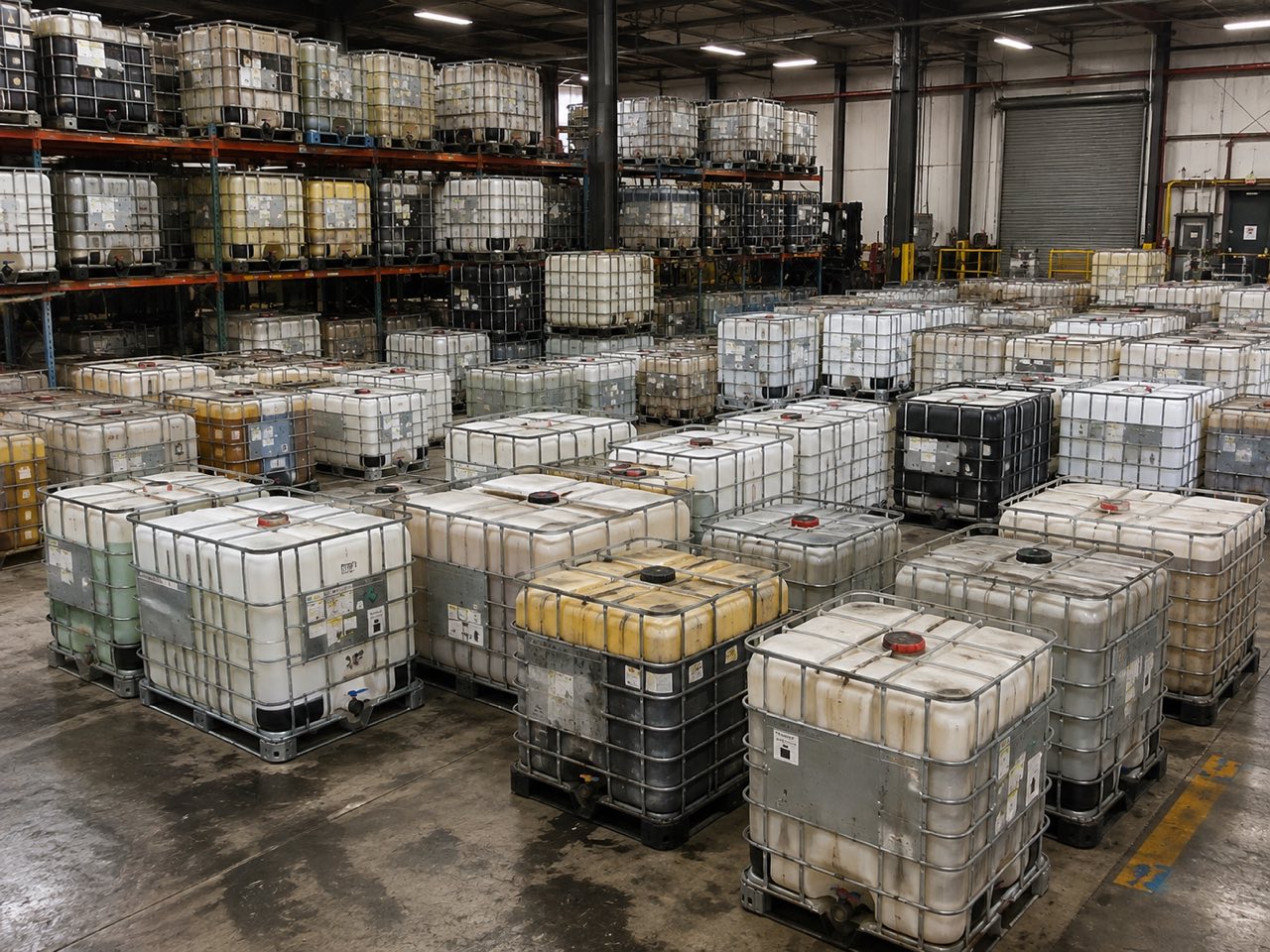
Rainwater capture at scale
Rooftop capture for non-potable use needs no permit in California. Larger agricultural arrays can attract questions about diversion, and anything plumbed to an indoor fixture needs permits and backflow prevention.
Fire-season water storage
Several Sonoma customers keep defensible-space water on site. Store it covered, rotate it every six months, and keep the outlet accessible without a forklift if the point is emergency use.
Dairy residue
Protein residue that has been through a hot bay is not recoverable. We decline most dairy-history containers for food-grade resale and say so up front rather than after collection.
Send the safety data sheet
What Santa Rosa uses containers for
Wineries and cideries
Craft brewing
Dairy and creamery
Nursery and horticulture
IBC totes in Santa Rosa
How quickly can you deliver IBC totes to Santa Rosa?
2–4 business days. We run our own flatbeds to Santa Rosa, which is why the lead time is predictable rather than dependent on a carrier's schedule. Freight is $300. Requests landing before 10:00 AM during yard hours are quoted the same day.
Do you collect used IBC totes from Santa Rosa?
Yes. Twelve or more units earns free pickup, usually scheduled on the return leg of a delivery run — Santa Rosa is 58 miles from the yard, well inside our 250-mile collection radius. We pay $25–$95 per 275 gallon unit depending on condition and prior contents, in cash or as credit against your next order.
What grade of tote do most Santa Rosa customers buy?
Sonoma County rainfall is roughly 50% higher than San Francisco, which makes rainwater harvesting genuinely productive here rather than merely worthwhile. Linked tote arrays on bunded frames are a common fabrication job for Santa Rosa properties.
Can I collect from the yard instead of paying freight?
Yes, and for smaller orders from Santa Rosa it is often the sensible choice. Will-call pickup at 1450 Bancroft Ave, San Francisco, CA 94124 runs Monday to Friday 7:00 AM to 4:30 PM and Saturday mornings by appointment. Bring straps and remember that an empty 275 gallon tote weighs 125 lb.
How much rain can I actually harvest in Sonoma County?
Considerably more than in San Francisco — county averages run around 30 to 38 inches depending on where you are, against 23 in the city. A 2,000 square foot roof at 34 inches yields roughly 34,000 usable gallons a year. The constraint is never the roof; it is how much you can store and use before the dry season ends.
Do you deliver to Healdsburg and the Russian River?
Yes, on the Sonoma corridor run. Rural addresses generally get a box truck rather than a flatbed because of gravel drives and narrow lanes. Send a photo of the approach and we will confirm what we can bring before you order.
We had a fire-season evacuation and left containers on site. Are they still usable?
Possibly, and we will assess them at no charge. Heat exposure short of melting frequently leaves the bottle serviceable but degraded — check for a soft or tacky wall, deformation, and crazing under raking light. Anything that has taken direct radiant heat we would not put back into liquid service, but the cage is often perfectly sound for rebottling.
Other places on this run
We deliver to these towns on the same lane, usually on the same truck:
Cities with their own page