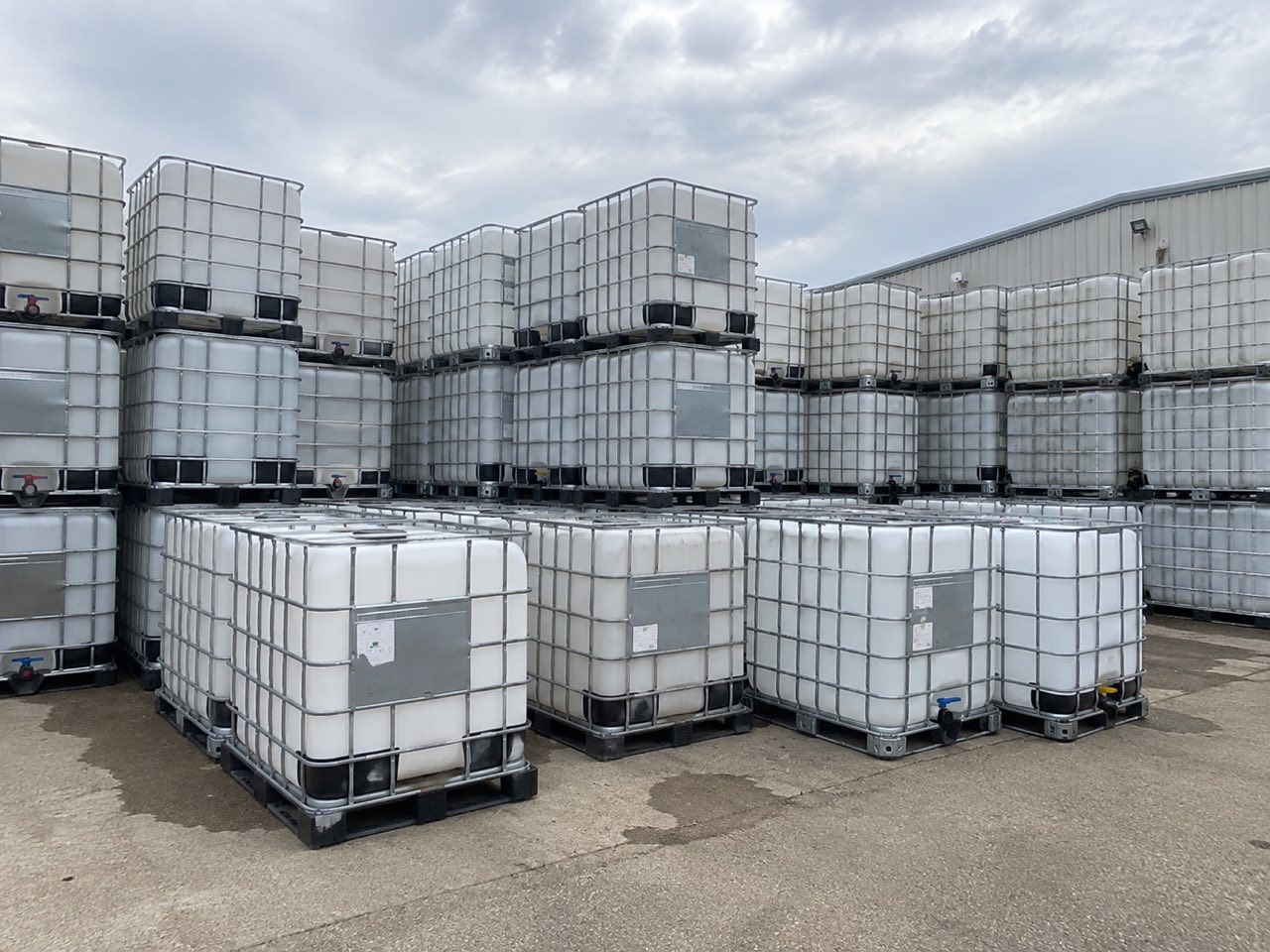
IBC totes delivered to Stockton
Get a delivered price to Stockton
Quantity, liquid and your postal code is enough. We confirm stock and freight before quoting, so the number you get is the number you pay.
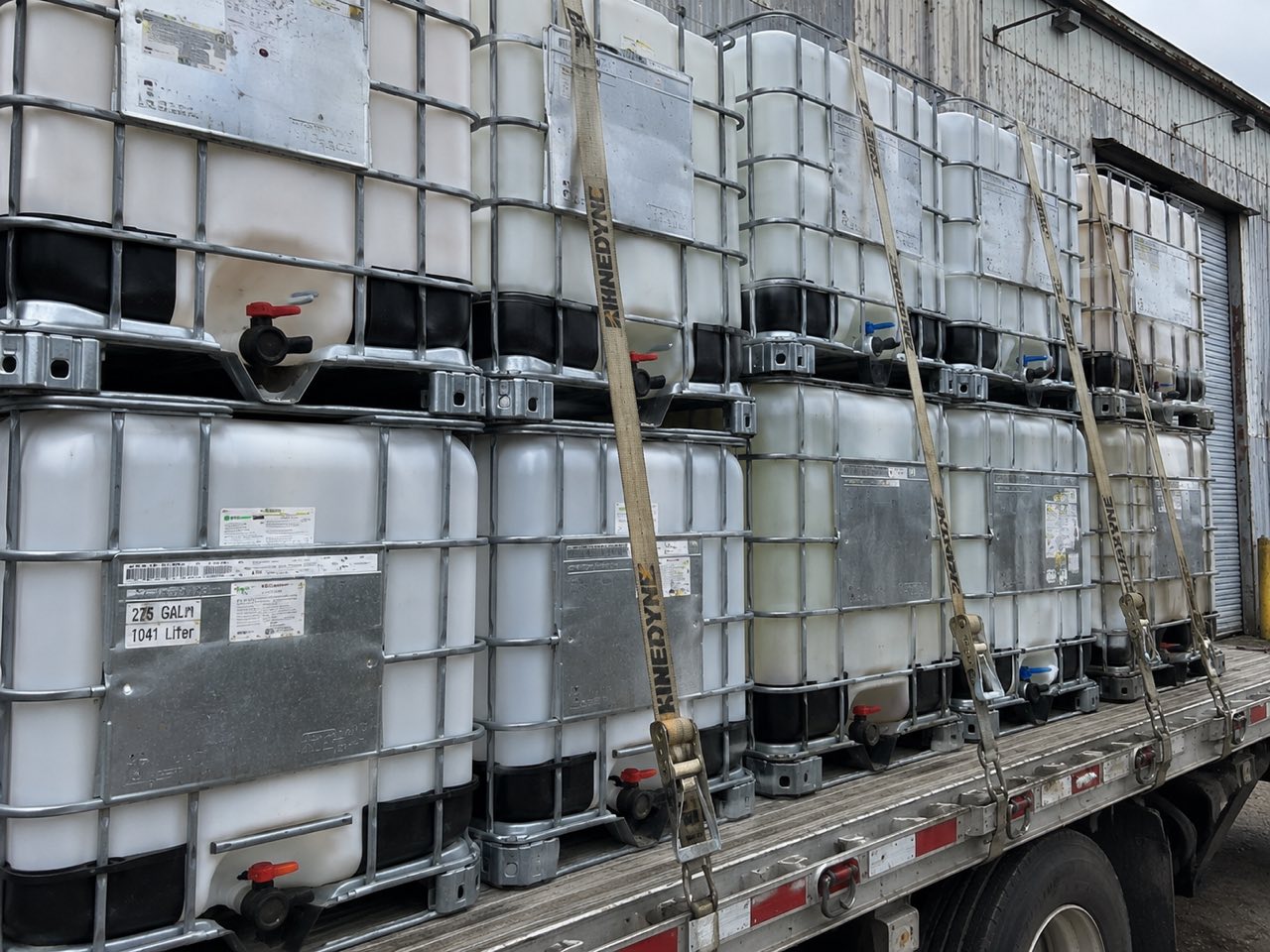
We deliver used, reconditioned, rebottled and new IBC totes to Stockton in 2–4 business days, with freight at $320. Central Valley canneries and processors are the single largest source of our food-grade stock — most of the syrup and concentrate containers on our covered pad came from within thirty miles of Stockton. If you have food-history empties here, we are very interested.
Getting containers to Stockton
95–140 minutes via the 205. Route: The 205 through Tracy, combined with a Modesto drop where possible.
- Distance from the yard82 miles
- CountySan Joaquin County
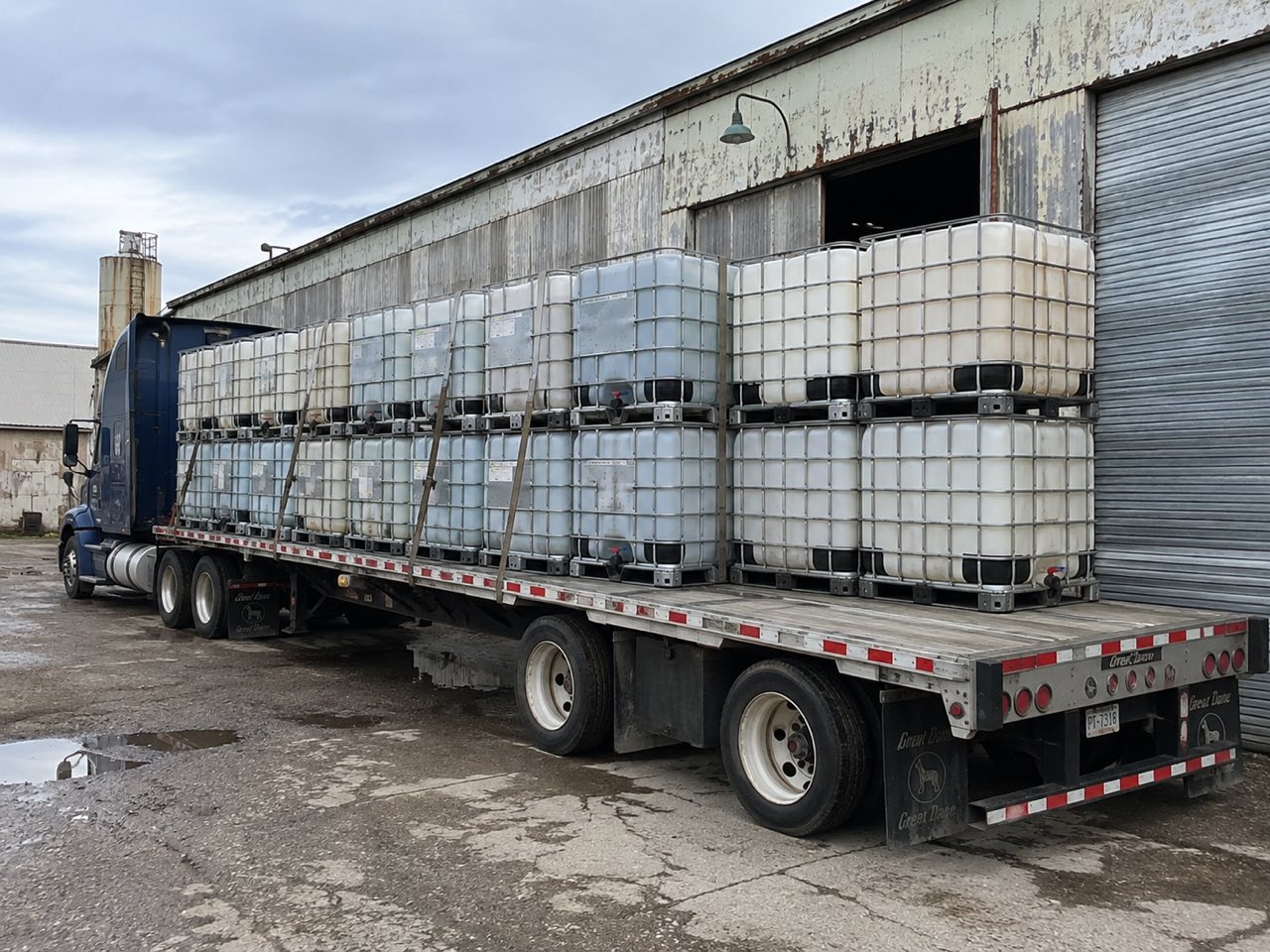
- MethodOwn flatbed, weekly run
- Lead time2–4 business days
- Freight$320
- Typical drive time95–140 minutes via the 205
- Liftgate service+$60, up to 4 totes at a time
- Collection of emptiesFree at 12+ units
- Will-call at the yardFree, Mon–Fri 7:00–4:30
- Expedite+$95 where stock is on the ground
The 205 through Tracy, usually combined with a Modesto drop on the same run down the 99. It is a long day for a driver and we plan it as a full loop rather than as a point-to-point trip.
The port and the industrial belt south of the city hold most of the addresses. Access is generally excellent — this is country built around moving freight.
Central Valley canneries and processors here are the single largest source of our food-grade stock. Most of the syrup and concentrate containers on our covered pad came from within thirty miles of Stockton.
What our dispatcher checks for Stockton
Written from the deliveries that went wrong, which is the only reliable source for this kind of list.
We want your food-history empties
Combined with Modesto
Port access hours
Who buys containers in Stockton
Share of our order book on this lane over the last twelve months, with what each sector actually orders.
| Sector | Share of lane | Usual grade | Typical order | What it is for |
|---|---|---|---|---|
| Agriculture and irrigation | 27% | Grade B and C | 10–40 units | Liquid fertiliser, irrigation dosing, frost protection |
| Food processing and canning | 24% | Grade A food-safe | 15–60 units | Our largest source of food-grade intake as well as a customer |
| Port and logistics | 17% | Grade B, Grade C | 8–30 units | Wash water, spill response, ballast |
| Almond and nut processing | 15% | Grade A food-safe, Grade A washed | 10–36 units | Hulling season chemistry and wash water |
| Construction and civil | 9% | Grade C | 8–24 units | Dust control across a long dry season |
| Everything else | 8% | Mixed | 2–10 units | Trades, small processors, community farms |
Districts and postal codes on this lane
Areas we deliver into
Postal codes
Not listed? The lane still covers you — these are simply the codes that come up most often. Put your postal code in the form and we will confirm the freight before you commit.
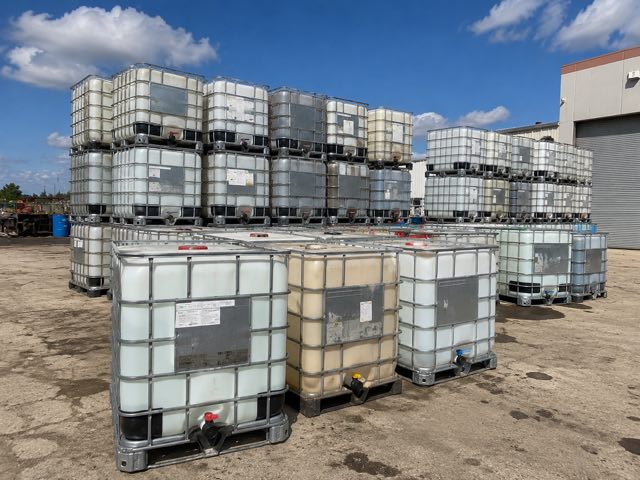
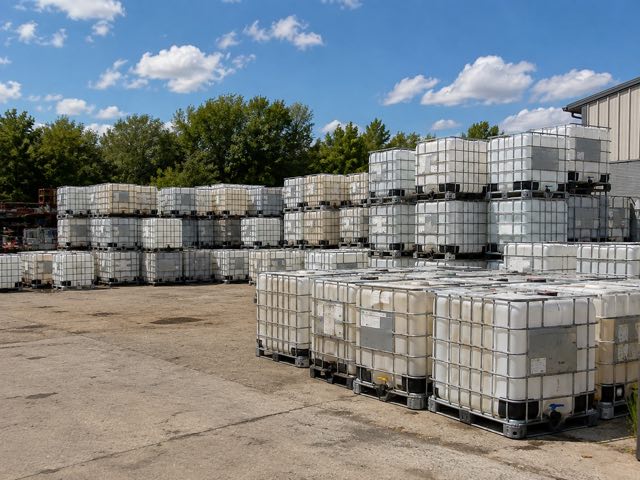
What we collect from Stockton
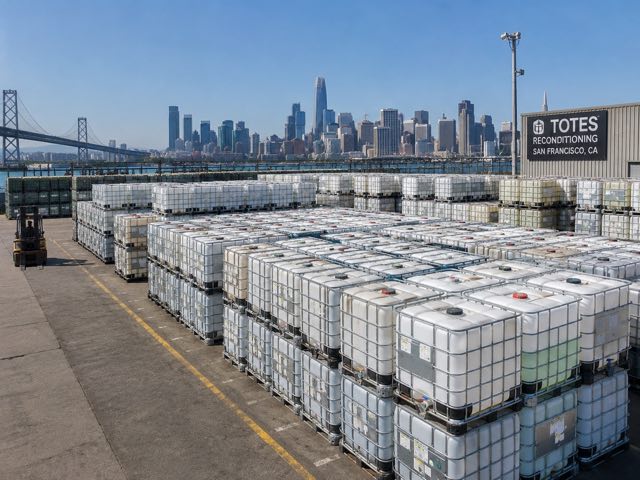
Stockton is where a meaningful share of our food-grade stock originates. Cannery and packer containers that held syrup, juice concentrate or fruit purée come out of this lane in numbers we cannot get anywhere else in Northern California.
Because food-grade supply is the binding constraint across our whole business — it is why we go to a waiting list every September — Stockton lots get priority scheduling and our best prices.
- Empties collected per year≈ 6,100
- Share entering the food-grade stream41%
- Share of our total food-grade intake≈ 34%
- Typical lot size20–120 units
- Average price paid$40 – $92 per unit
How demand moves in Stockton
Worth knowing before you plan a purchase. The quiet months are when reconditioning slots and leasing stock are easiest to get.
| Period | Demand | What is actually happening |
|---|---|---|
| January – April | Moderate | Pre-season stocking; a good window for reconditioning |
| May – July | Rising | Irrigation demand and early processing |
| July – October | Peak | Processing and hulling seasons; our heaviest intake |
| November – December | Falling | Clear-outs generate large, well-documented lots |
Available in Stockton
Everything in the yard is available on this lane. These are the four lines that move most often.
| Product | Grade | 275 gal price | Lead time to Stockton | Documentation supplied |
|---|---|---|---|---|
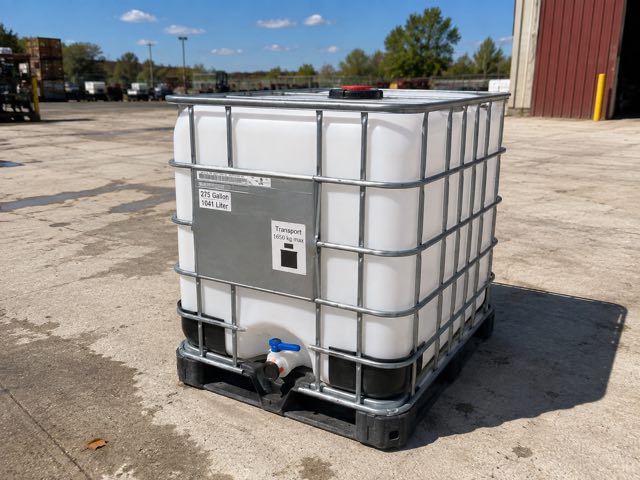
| Reconditioned IBC totes | Grade A washed / B rinsed | $135 – $195 | 2–4 business days | Prior contents + grade record |
| Food-grade IBC totes | Grade A food-safe | $165 – $235 | 2–4 business days | Prior contents + wash certificate |
| Rebottled IBC totes | New bottle, reused cage | $195 – $260 | +2–4 days | Bottle certificate + cage record |
| New IBC totes | Virgin HDPE, new cage | $290 – $360 | +2–6 days | Manufacturer certificate |
| Cages, pallets and parts | Reclaimed, inspected | $28 – $85 | 2–4 business days | Condition note |
| Drums, 55 gallon | Reconditioned | $28 – $85 | 2–4 business days | Prior contents record |
Rules worth knowing in San Joaquin County
Not legal advice — just the things that come up most often on this lane, and what we do about them.
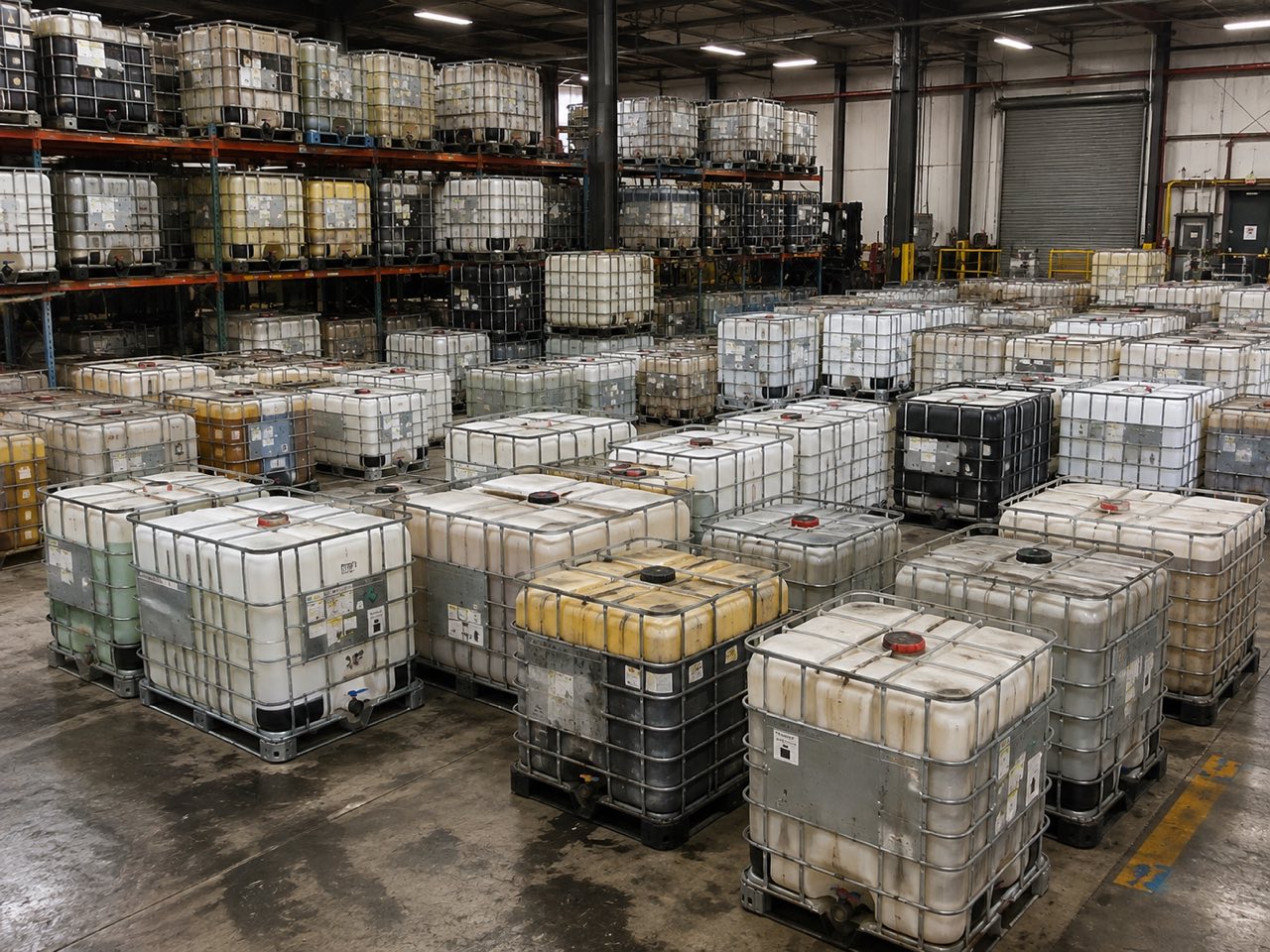
Agricultural rinse documentation
Triple-rinse records determine the disposal path for agricultural chemical containers. Keep them; they change what the container is worth and what can legally be done with it.
Food-contact traceability
For a container to enter our food-grade stream we need a named single prior product and, wherever possible, a named shipper. Processors here are generally excellent at this, which is why the lane produces such good stock.
San Joaquin County CUPA
Empty-container determinations for regulated materials are handled in writing before collection, as everywhere. Send the SDS with the enquiry.
Send the safety data sheet
What Stockton uses containers for
Agriculture and irrigation
Food processing and canning
Port and logistics
Almond and nut processing
IBC totes in Stockton
How quickly can you deliver IBC totes to Stockton?
2–4 business days. We run our own flatbeds to Stockton, which is why the lead time is predictable rather than dependent on a carrier's schedule. Freight is $320. Requests landing before 10:00 AM during yard hours are quoted the same day.
Do you collect used IBC totes from Stockton?
Yes. Twelve or more units earns free pickup, usually scheduled on the return leg of a delivery run — Stockton is 82 miles from the yard, well inside our 250-mile collection radius. We pay $25–$95 per 275 gallon unit depending on condition and prior contents, in cash or as credit against your next order.
What grade of tote do most Stockton customers buy?
Central Valley canneries and processors are the single largest source of our food-grade stock — most of the syrup and concentrate containers on our covered pad came from within thirty miles of Stockton. If you have food-history empties here, we are very interested.
Can I collect from the yard instead of paying freight?
Yes, and for smaller orders from Stockton it is often the sensible choice. Will-call pickup at 1450 Bancroft Ave, San Francisco, CA 94124 runs Monday to Friday 7:00 AM to 4:30 PM and Saturday mornings by appointment. Bring straps and remember that an empty 275 gallon tote weighs 125 lb.
We are a cannery with two hundred empties. What happens next?
Send two photographs — a UN plate and a product label — plus the count and the prior products. Two hundred food-history containers is a lot we would schedule a dedicated trip for, usually within the week, and it prices at the top of our range because food-grade supply is the constraint across our entire business. You would be looking at roughly $8,000 to $18,000 depending on condition.
Do you deliver as far as Lodi and Manteca?
Yes, on the same scheduled loop. Freight is quoted from the Stockton figure with a small adjustment for the extra distance, and joining the scheduled run rather than requesting a dedicated trip is what keeps it sensible.
What is the difference between what you pay for food-history and industrial empties?
Roughly $20 to $30 per unit at the same physical condition. A clean Grade A food-history container is $70–$95; the identical container with an industrial history is $55–$75. That gap exists because food-grade stock is supply-limited and industrial stock is not.
Other places on this run
We deliver to these towns on the same lane, usually on the same truck:
Cities with their own page