The short version
- A UV-opaque cover is not optional for stored water in California.
- Screen every opening — unscreened standing water is a mosquito issue and sometimes a code one.
- Draw from the bottom and top up from the top; stratified stagnant water goes bad fastest.
- Size the array for the dry season, not for a single storm.
The problem is duration, not capture
Most rainwater guidance is written for climates where rain arrives all year. Ours does not. San Francisco gets around 23 inches, essentially all of it between November and March, and then seven months of nothing.
That inverts the design problem. Capture is trivially easy here — a 1,000 square foot roof produces roughly 510 usable gallons from a single inch of rain, so a 275 gallon tote fills and overflows in one moderate storm. The question is never whether you can catch water. It is whether the water you caught in March is still worth using in September.
Light is the enemy
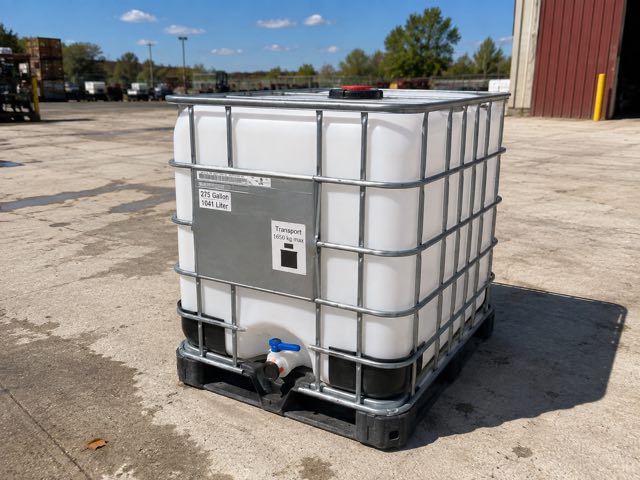
Translucent HDPE transmits enough light to support photosynthesis. Add water, add any nutrient load at all — roof dust, pollen, a trace of leaf litter that got past the screen — and you have a functioning algae reactor. In warm weather it takes two to four weeks.
Once established it is genuinely difficult to reverse in place. The water goes green, then it smells, then it blocks drip emitters, and by the time somebody notices, cleaning the tank means emptying it in the middle of a dry season. This is the single most common failure I see on systems people built themselves.
A UV-opaque cover costs $48 and prevents essentially all of it. Not shade — a cover. A container under a tree still receives substantial diffuse light. Painting the tote does not work either; paint adheres poorly to HDPE and flakes within a season, leaving you with a partly shaded container and a mess.
Movement matters more than people expect
Water that sits perfectly still for seven months stratifies. The bottom goes anaerobic, the top collects whatever settles out of the air, and the two do not mix. Water that is drawn down and topped up periodically stays noticeably better.
- Draw from the outlet at the bottom, which is where sediment and the worst water sit. Do not install a mid-height draw thinking it is cleaner — it just leaves the bad water permanently in place.
- Top up from the top when you do get a late-season storm. The turbulence is useful.
- If you have several tanks linked, use them all rather than emptying one at a time. A partly full linked array circulates far better than a full tank next to an empty one.
- Plan your drawdown so the array is nearly empty by early November. Starting the wet season with fresh water beats topping up seven-month-old water.
Size for the season, not the storm
The usual mistake is sizing storage against a single rainfall event, which leads people to one tote and a lot of overflow. Size it against what you will actually use between May and October.
| Use | Typical dry-season demand | Totes needed | Notes |
|---|---|---|---|
| Small ornamental garden | 250–400 gal | 1–2 | One tote often genuinely enough |
| Vegetable beds, 200 sq ft | 600–900 gal | 3 | Drip irrigation halves this |
| Vegetable beds + fruit trees | 1,100–1,600 gal | 4–6 | Linked array, bottom-connected |
| Small urban farm | 2,500–4,000 gal | 9–15 | Bunded frame, pump, filtration |
| Toilet flushing (permitted) | 900–1,400 gal/person | Varies | Requires permits and backflow prevention |
And if the array is bigger than the roof can fill, that is fine. Extra storage costs $125 a tote and lets you catch a whole storm instead of a third of one. Extra roof is not available at any price.
Linking, done properly
Three things I fix on other people's arrays more often than anything else.
Link at the outlets, not the lids
Bottom-linking equalises levels by gravity and lets you draw from a single point. Top-linking only does anything once the tanks are already full, which is the moment you least need it.
Use full-bore fittings
A 3/4 inch link between 275 gallon tanks takes hours to equalise and behaves as separate tanks in practice. Use 2 inch with camlocks so the array behaves as one vessel.
Fit an isolation valve per tank
Without one, cleaning or removing a single container means draining the whole array. With one, it is a twenty-minute job.
Level the ground first
Written by Tomás Beltrán, fabrication lead at IBC Totes San Francisco. Published June 11, 2025. Spotted something wrong? Tell us — we would rather fix it than defend it.