The short version
- Food-line wash capacity, not stock, is the binding constraint in August.
- Pre-washing to a buffer through July is what makes the peak survivable.
- Crop dates move; two-week delivery windows are worth more than fixed dates.
- The whole peak is about eight working days, and then it is over.
Three demands, one wash line
Most of the year the yard is a smooth operation. Containers come in, get graded, get washed, go out. Capacity comfortably exceeds demand and my job is mostly about routing trucks efficiently.
Then mid-August happens. Three things want the same resource simultaneously: North Bay wineries calling their harvest lease windows, cideries and breweries running their heaviest production of the year, and the ordinary industrial order book which does not politely pause for anyone's vintage.
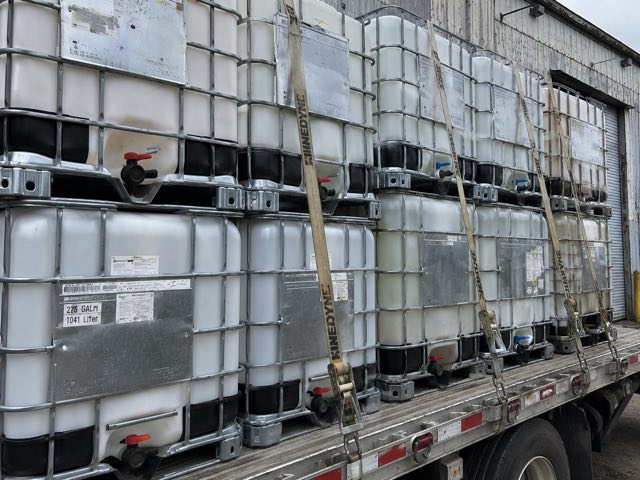
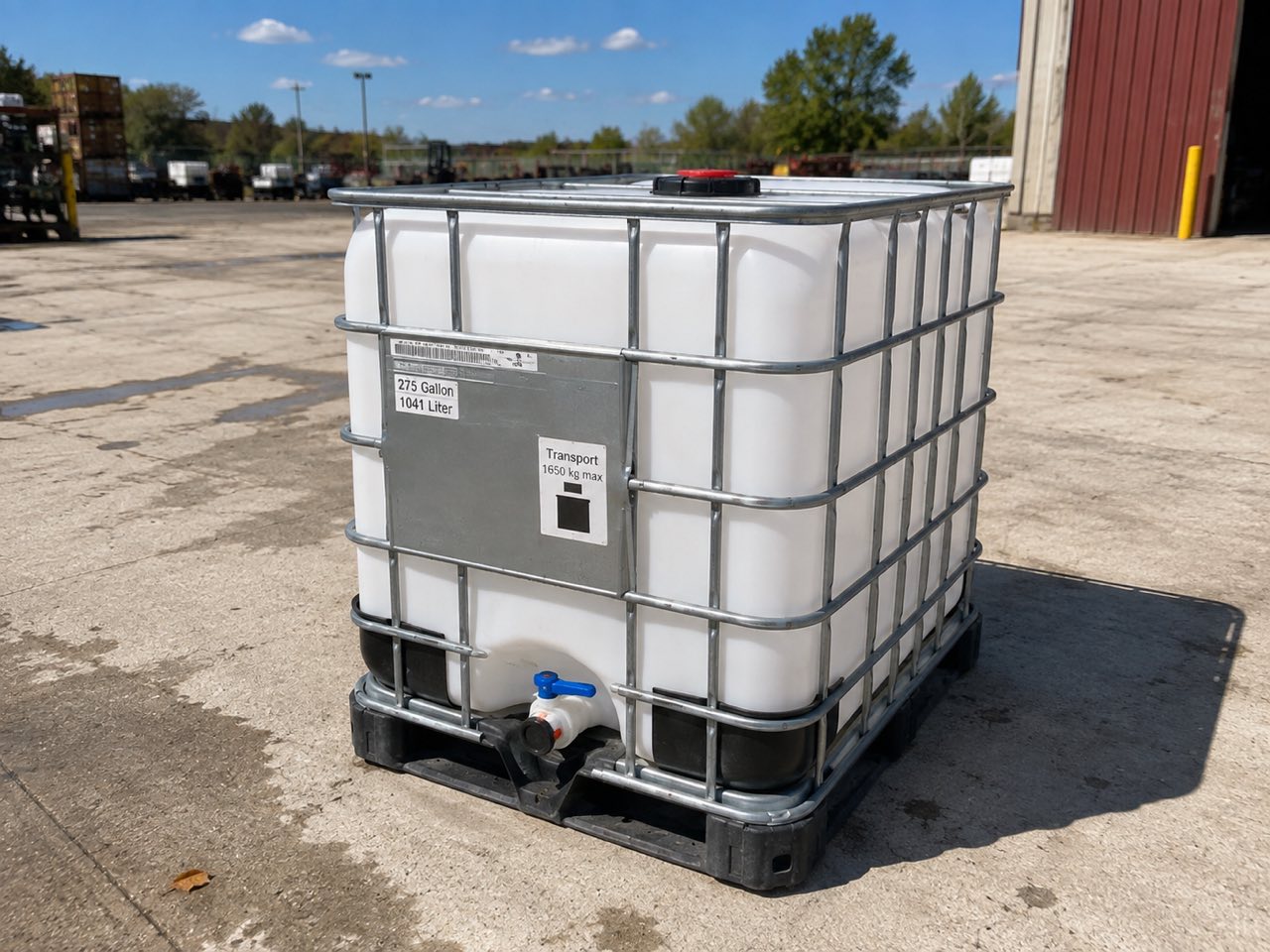
All three want food-grade containers. Our food line runs two dedicated bays at about 150 units a week, and that number does not flex — the whole point of a dedicated line is that industrial containers cannot enter it to make room.
The buffer is built in July
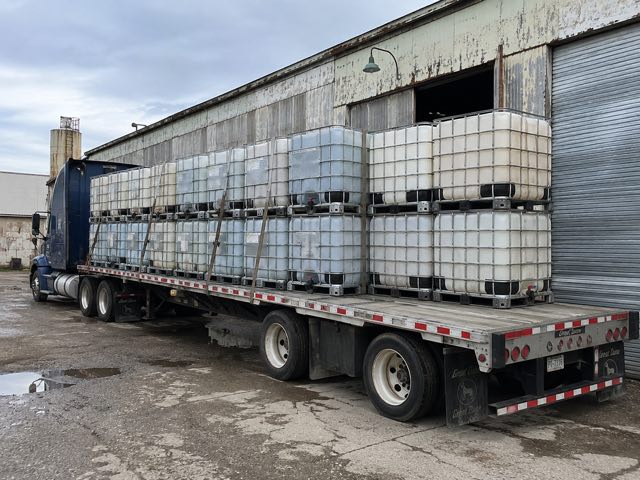
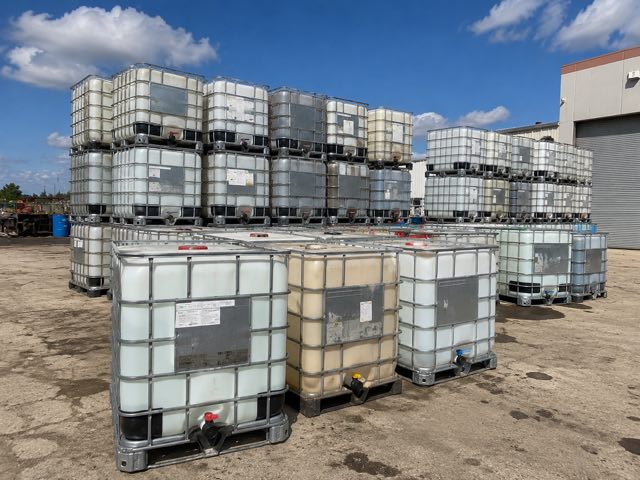
The only real answer is to do the work early. From the first week of July the food line runs at capacity regardless of orders, and washed units go to the covered pad rather than out the door.
| Week | Food-line output | Shipped | Buffer on pad |
|---|---|---|---|
| Early July | 150 | 60 | 90 |
| Mid July | 150 | 55 | 185 |
| Late July | 150 | 70 | 265 |
| Early August | 150 | 140 | 275 |
| Crush week | 150 | 310 | 115 |
| Following week | 150 | 240 | 25 |
| Late August | 150 | 180 | −5 → waiting list |
That table is the whole story of our August. We spend six weeks building 275 units of slack and it is gone in twenty-one days. There is no version of this where we simply wash faster in the moment.
Sequencing the trucks
From the freight side the difficulty is that crop geography is not delivery geography. Grapes ripen from the valley floor upward and from south to north, roughly, but the wineries are distributed on their own logic and so are the custom crush facilities they use.
So I sequence by lane rather than by customer. Napa Monday and Thursday, Sonoma Tuesday and Friday, Petaluma and the Marin corridor combined with either. Everyone gets a two-week window and calls within it, and I fit their call into the next scheduled run rather than dispatching a truck per customer.
When somebody needs a dedicated run outside that — and every year two or three genuinely do, because a crop came in three days early — it costs them the dedicated rate and we do it. What I cannot do is give everybody a dedicated run, which is why the windows exist.
Why we hold 15% back
In 2025 we under-reserved. Crush came early across the whole North Bay and three leasing customers called their windows within ten days of each other. We covered it by pulling forward a wash batch and running a Saturday shift, and two deliveries still went out late.
Since then we hold 15% of food-grade leasing stock in reserve through September, and — importantly — we tell customers the buffer exists. It means the confirmed-slot promise is actually keepable when the weather does something unexpected, which is roughly every other year.
It cuts both ways
And then it stops
The thing nobody outside the yard quite believes is how abrupt the end is. By the second week of November the leases start coming back, the wash line switches from food to industrial backlog, and the freight board looks like March again.
Roughly eight working days of genuine pressure, three weeks of intensity around them, and six weeks of preparation before. If you are planning a harvest fleet, the single most useful thing you can do is put your reservation in during June, when all of this is still theoretical for everybody.
Written by Ingrid Halvorsen, freight & logistics at IBC Totes San Francisco. Published August 13, 2025. Spotted something wrong? Tell us — we would rather fix it than defend it.