The short version
- Leasing has roughly tripled in the North Bay since 2021; outright purchases are down.
- Custom crush facilities buy matched lots and care about documentation more than price.
- Variable vintage size makes fleet ownership expensive at exactly the wrong moments.
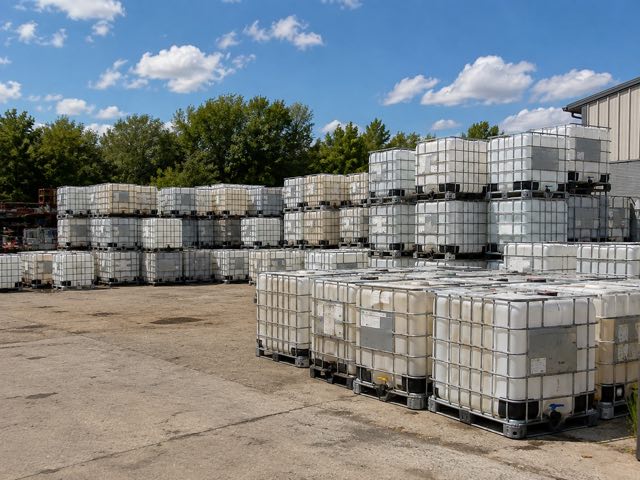
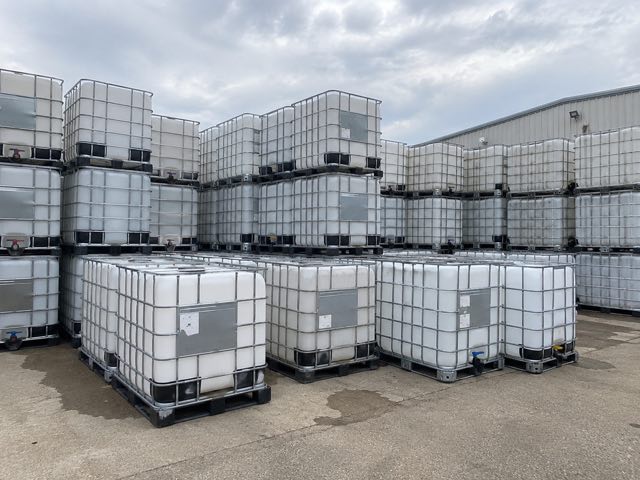
- Nine months of outdoor storage costs more in container life than most operators count.
The shift we can see from intake
We have been serving Napa and Sonoma since about 2012, and for the first decade the pattern was simple: wineries bought food-grade totes, used them hard for eleven weeks, stored them in a field, and replaced four to six a year that the sun and the frost had finished off.
That pattern has been unwinding for three or four years. Purchases from North Bay wineries are down meaningfully. Leases are up sharply — roughly triple what they were in 2021. And the mix of who is calling has changed: custom crush facilities now generate more enquiries than estate operations, which was not true five years ago.
Why owning stopped making sense
The arithmetic is not complicated. A winery owning forty food-grade totes is buying a fleet that works for eleven weeks and sits for forty-one. Amortised over five years with replacement losses, that is something like $4,900 per harvest in container cost alone, before storage land and before the labour of moving them twice a year.
What changed is variability. When a vintage is 30% smaller than the last one, an owned fleet is 30% oversized and you have paid for all of it. When the following year is 20% bigger, you are short and buying at the worst possible moment — late August, when everyone else is also short. Ownership converts a variable requirement into a fixed cost, which is precisely the wrong direction.
| Own 40 totes | Lease 40 for the season | |
|---|---|---|
| Cost per harvest | ≈ $4,900 amortised | ≈ $1,870 |
| Storage, nine months | Quarter acre, on site | None |
| Weather losses | 4–6 units/year | None |
| Flexibility if the vintage is small | None — already paid | Return the surplus |
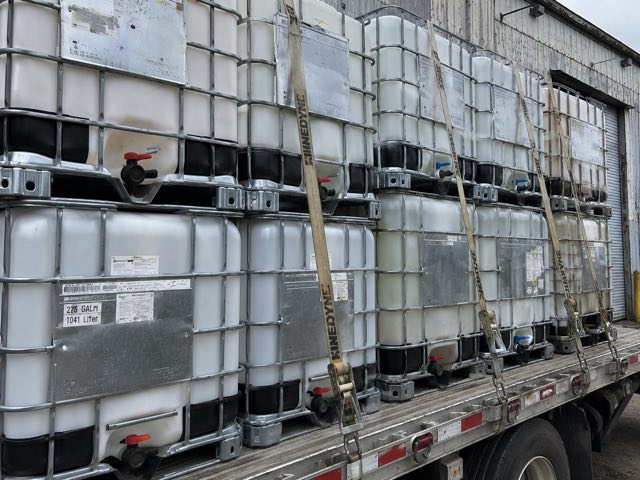
| Arrival condition | However you left it | Food-line washed, certificate |
Custom crush buys differently
The other half of the change is who is calling. Custom crush facilities are running product for many labels in the same building, and that changes what they need from a container.
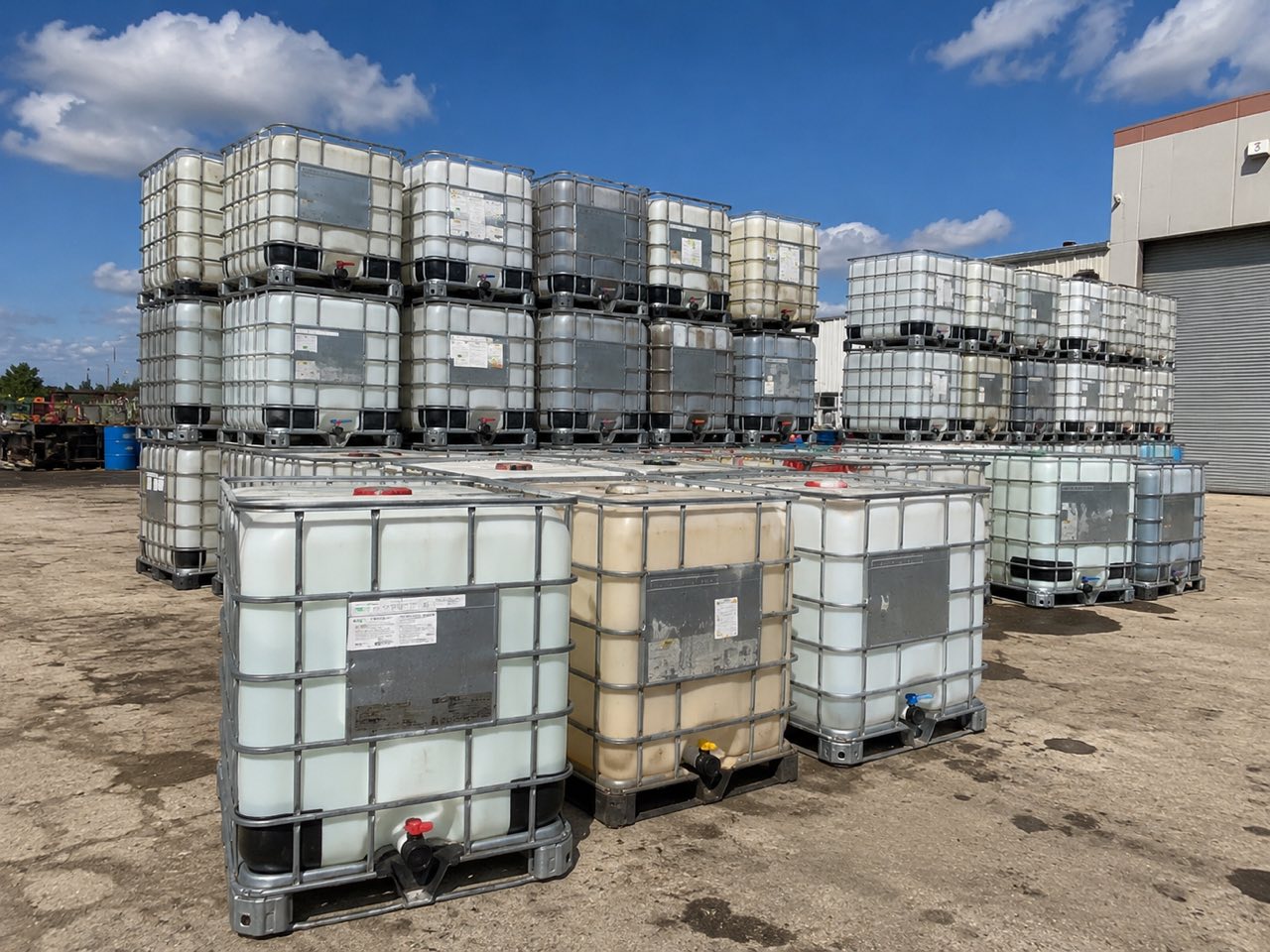
They want matched lots — same manufacturer, same valve, same pallet type — because mixed fleets create handling errors when six crews are working at once. They want documentation, because their clients audit them. And they want firm delivery windows, because their schedule is somebody else's contract.
They are also markedly less price-sensitive than estate operations, which surprised us. A $12 difference per unit does not move a decision that has a client's vintage attached to it. What moves it is whether we can guarantee forty identical containers arrive in the second week of August with wash certificates.
What we changed to serve it
- Matched-lot building. We now assemble identical lots out of inbound stock over several weeks rather than pulling from the yard floor. It costs nothing extra and it needs lead time.
- A 15% buffer on food-grade leasing stock through September, after we under-reserved in 2025 and pushed two deliveries late.
- Two-week delivery windows as standard on harvest leases, because crop dates move and a fixed date just guarantees a rescheduling call.
- Wash certificates issued against unit numbers, so a facility can attach them to their own HACCP records rather than keeping a separate rinse log.
What this means if you still own a fleet
Nothing here says ownership is wrong. If your crush size is stable, you have indoor storage, and you already run the containers year-round for cellar work, owning is fine and probably cheaper.
What we would suggest is splitting the difference, which is what most of our North Bay accounts now do: own a small standing fleet for year-round work, indoors, and lease the seasonal surge. It converts the variable part of the requirement back into a variable cost, and it means the containers you own stop spending nine months in a field.
And if you do own a fleet sitting outside right now: cover them. A UV-opaque cover is $48 and it roughly doubles outdoor service life. It is the single cheapest thing anybody in wine country could do with their container budget this month.
Written by Marisol Trejo, founder & managing partner at IBC Totes San Francisco. Published September 3, 2024. Spotted something wrong? Tell us — we would rather fix it than defend it.